An analysis conducted by Reuters showed that the US-Israeli war on Iran cost companies around the world at least 25 billion dollars, an amount that is on the rise.
A review of data released since the outbreak of the war by companies listed in the United States, Europe, and Asia offers a realistic look at its repercussions, as companies suffer from high energy prices, disrupted supply chains, and cut
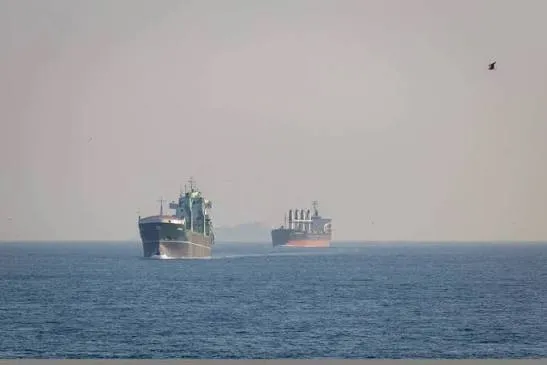
trade routes as a result of Iran's control over the Strait of Hormuz.
The analysis indicated that at least 279 companies cited the war among reasons that prompted actions to mitigate the financial impact, including raising prices and cutting production. Other companies suspended cash dividend distributions or stock buyback operations, laid off some
employees, imposed additional fuel fees, or requested emergency aid from governments.
The analysis indicated that at least 279 companies cited the war among reasons that prompted actions to mitigate the financial impact, including raising prices and cutting production. Other companies suspended cash dividend distributions or stock buyback operations, laid off some employees, imposed additional fuel fees, or requested emergency aid from governments.
These disruptions, the latest in a series of disruptive global events for companies following the Covid-19 pandemic and the war between Russia and Ukraine, are lowering forecasts for the rest of the year, with little sign of a near agreement to end the war.
Iran keeping the Strait of Hormuz virtually closed caused oil prices to rise above 100 dollars per barrel, more than 50 percent higher compared to what they were before the war.
Rising Energy Costs
This closure also led to higher shipping costs, reduced raw material supplies, and cut vital trade routes for the flow of goods. Supplies of fertilizers, helium, aluminum, polyethylene, and other key inputs were affected.
20 percent of the companies included in the review, which manufacture almost everything from cosmetics to tires, detergents, and even travel, tourism, and aviation companies, indicated they suffered a financial impact due to the war.
Most of those companies are based in Britain and Europe, where energy costs had already witnessed a rise before the latest crisis, and nearly a third are from Asia; indicating those regions' heavy reliance on oil and fuel products from the Middle East.