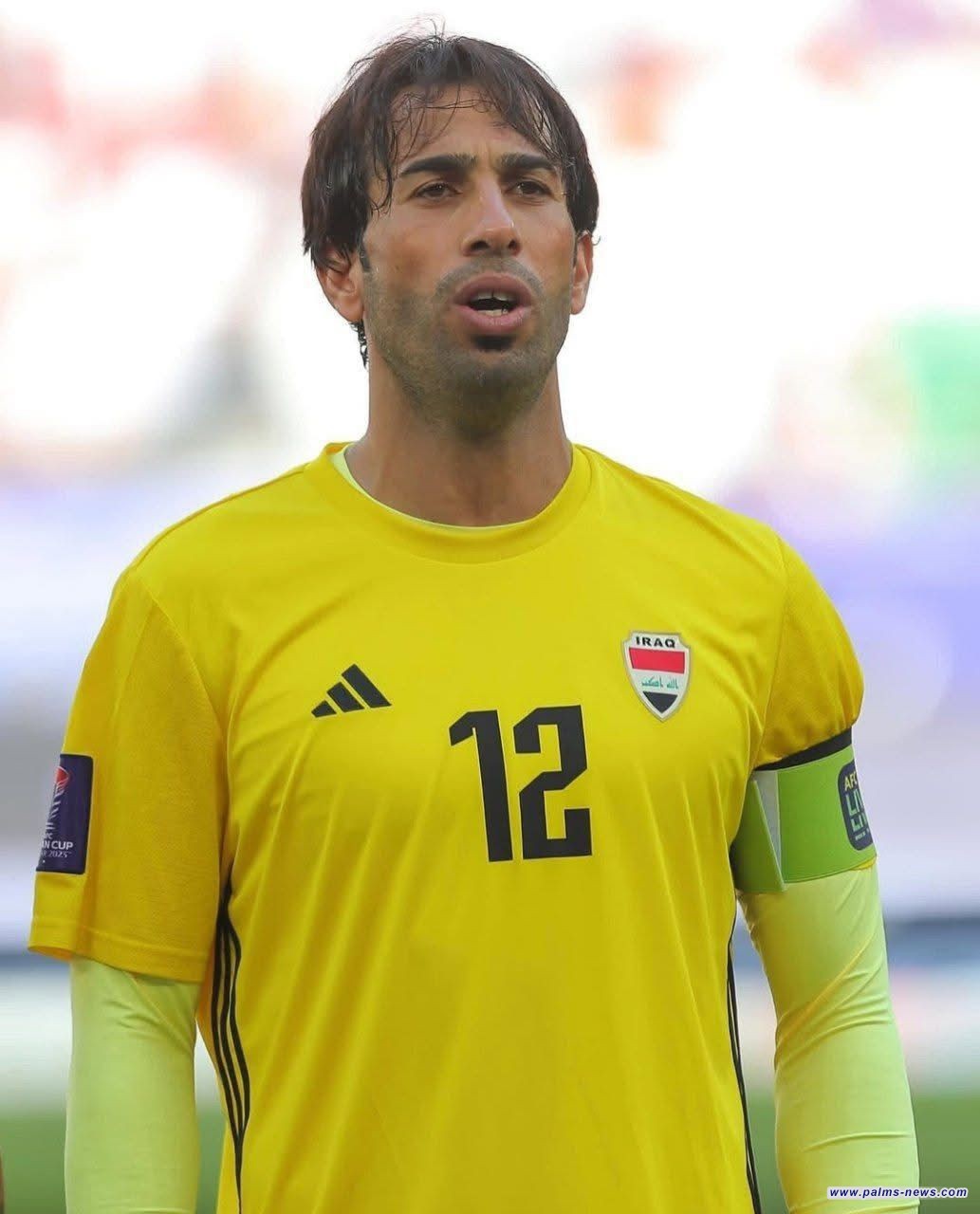
Iraq's sporting community is experiencing an unprecedented wave of anger and frustration following a series of disappointing performances by the national football team. Many supporters view the situation as a direct consequence of the continued reliance on goalkeeper Jalal Hassan,
whom critics describe as one of the least successful goalkeepers in the history of Iraqi football and among the most controversial national team captains in recent memory.
The Iraqi Football Association's determination to continue selecting Hassan has intensified scrutiny of several other players who have become widely referred to by fans, both online and in public discussions, as the national team's "dead weight." Among the names most
frequently cited are Zaid Tahseen, Mustafa Saadoun, and Ibrahim Bayesh. Critics argue that their performances have failed to meet the standards expected of players representing Iraq and that their continued inclusion in the squad undermines the value and prestige of
the national jersey.
The Iraqi Football Association's determination to continue selecting Hassan has intensified scrutiny of several other players who have become widely referred to by fans, both online and in public discussions, as the national team's "dead weight." Among the names most frequently cited are Zaid Tahseen, Mustafa Saadoun, and Ibrahim Bayesh. Critics argue that their performances have failed to meet the standards expected of players representing Iraq and that their continued inclusion in the squad undermines the value and prestige of the national jersey.
According to many observers, the issue goes beyond sporting performance and reflects broader concerns about political influence, favoritism, and administrative interference in football affairs. These concerns are often associated with Younis Mahmoud, who is frequently described by his detractors as
the "spiritual father" of these controversial decisions. Critics claim that he has played a key role in defending and preserving the status quo despite growing public dissatisfaction.
According to many observers, the issue goes beyond sporting performance and reflects broader concerns about political influence, favoritism, and administrative interference in football affairs. These concerns are often associated with Younis Mahmoud, who is frequently described by his detractors as the "spiritual father" of these controversial decisions. Critics claim that he has played a key role in defending and preserving the status quo despite growing public dissatisfaction.
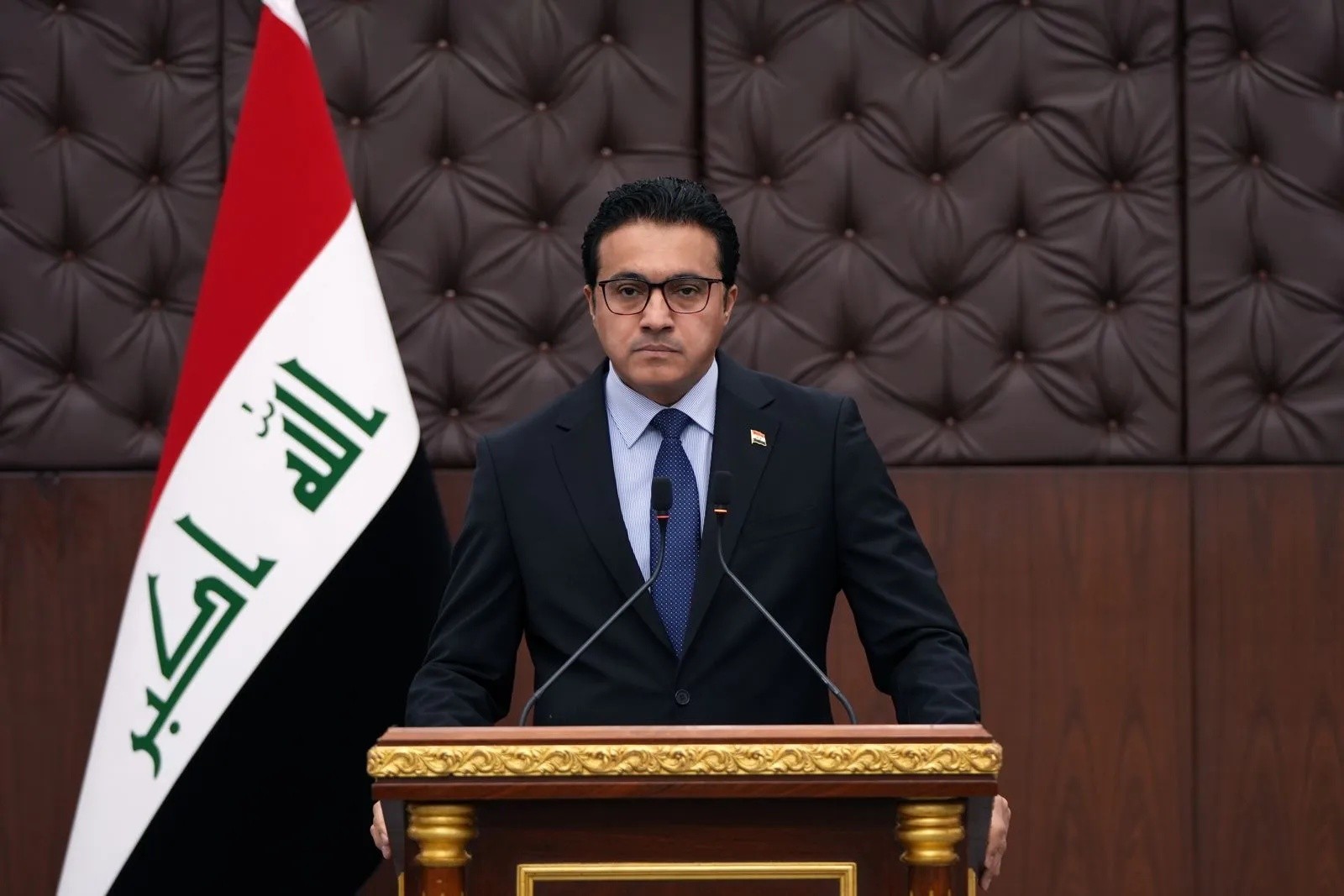
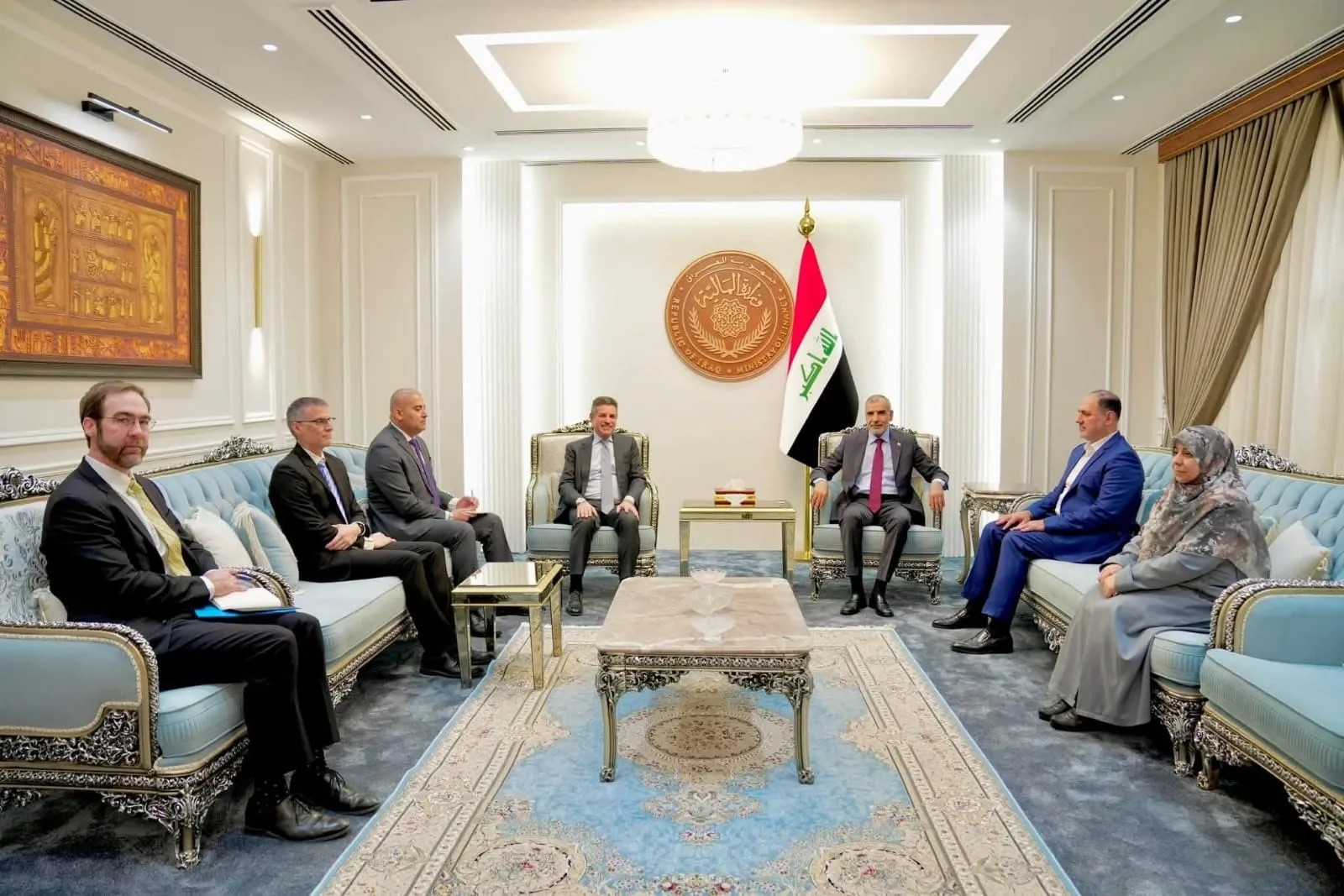
As public frustration continues to escalate, a large-scale appeal has emerged from across Iraq, with millions of citizens calling on Prime Minister Ali Al-Zaidi to intervene immediately and address what they perceive as a deepening crisis within the national team.
Supporters argue that comprehensive reform is necessary to restore confidence in Iraqi football and protect what remains one of the country's most important sources of entertainment, national pride, and social unity for Iraqi families and young people.
As public frustration continues to escalate, a large-scale appeal has emerged from across Iraq, with millions of citizens calling on Prime Minister Ali Al-Zaidi to intervene immediately and address what they perceive as a deepening crisis within the national team. Supporters argue that comprehensive reform is necessary to restore confidence in Iraqi football and protect what remains one of the country's most important sources of entertainment, national pride, and social unity for Iraqi families and young people.