The additional cost of Strait of Hormuz disruptions to Europe has exceeded 50 billion euros in the fuel import bill, with the repercussions of the 2026 crisis continuing to affect energy and trade markets. This was revealed in a report
published by the Italian website "Servizio," highlighting the extent of European economies' reliance on global maritime traffic, despite their efforts to diversify energy sources following the Russian war on Ukraine. The rise in global oil and gas prices directly impacts
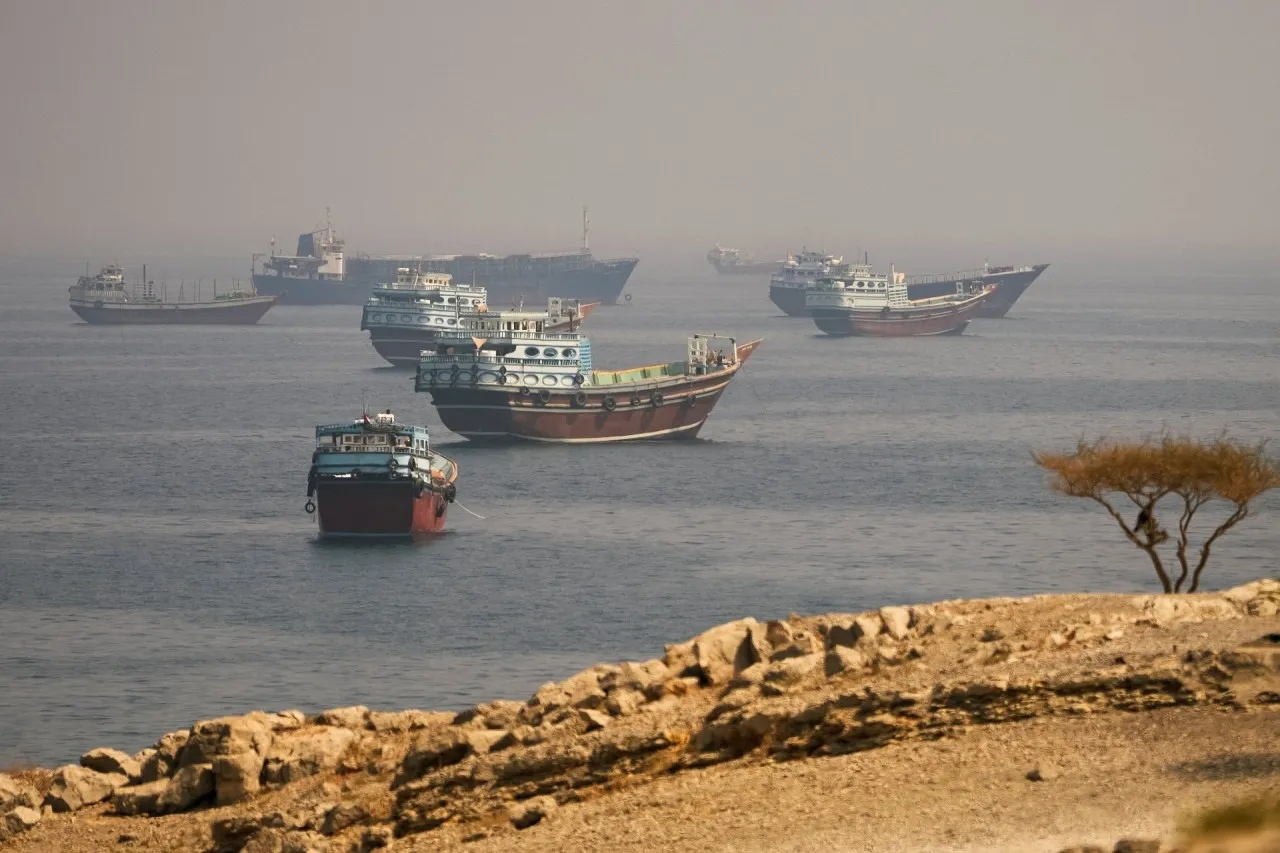
Europe, even without significant imports of Iranian crude. The Strait of Hormuz is considered one of the most important energy passages globally. In 2024, approximately 20 million barrels per day of crude oil, condensates, and petroleum products passed through it, representing
nearly 20% of the world's liquid petroleum consumption. Additionally, about 20% of global liquefied natural gas trade passes through it, according to data from the U.S. Energy Information Administration. The report clarified that the European Commission estimated last April the additional
cost borne by the European Union due to fossil fuel imports since the beginning of the crisis to be around 24 billion euros. Since May, this figure has nearly doubled, with expectations for the cost to reach approximately 50 billion
euros, according to figures cited by the report from Brussels. The crisis's seriousness stems from the fact that navigation disruption not only leads to supply shortages but also causes storage tanks to fill, compelling producing countries to reduce output. When maritime
traffic returns to normal, lost production cannot be immediately restored, prolonging the crisis's impact on prices. The crisis's repercussions are distributed among major economies such as Italy, France, Germany, and the United Kingdom. Italy remains vulnerable to oil and gas price
fluctuations, despite possessing ports, gas regasification facilities, and pipeline networks connecting it to North Africa and southern energy corridors, which offers it an opportunity to become a center for redistributing supplies to Central Europe. France, with its significant reliance on nuclear
energy, provides relative protection for its electricity sector. However, this does not insulate transport, petrochemicals, aviation, and agriculture sectors from rising oil and gas prices. In Germany, the shift from dependence on Russian gas has led to increased reliance on
liquefied natural gas, transferring some risks from pipelines to a global maritime market affected by sea lanes, ports, and Asian competition. The United Kingdom benefits from a larger margin due to North Sea production and a flexible trading system, but
it remains linked to global oil and gas prices. Conversely, the crisis has prompted Iran to accelerate the construction of a northern and eastern transport and trade network, including railway lines to Russia and China, Caspian Sea ports, and land and
rail links with Iraq. These projects do not aim to replace the Strait of Hormuz, which is unrealistic given the volume of oil flows through it, but rather to provide alternatives that mitigate the risks of economic isolation in case
of continued maritime and financial pressures. Prominent in this context is the International North-South Transport Corridor, linking Russia, Azerbaijan, the Caspian Sea, and Iran to the Indian Ocean, alongside railway lines connecting Iran to networks in Central Asia and China. Chabahar
Port gains particular importance as Iran's only port capable of bypassing the Strait of Hormuz and directly accessing the Gulf of Oman. The report concludes that these transformations may persist even after the crisis ends, reshaping trade and energy routes in
the region. This presents Europe with a challenge extending beyond increased fuel bills to a comprehensive reassessment of supply security, transport chains, and the infrastructure it relies upon.