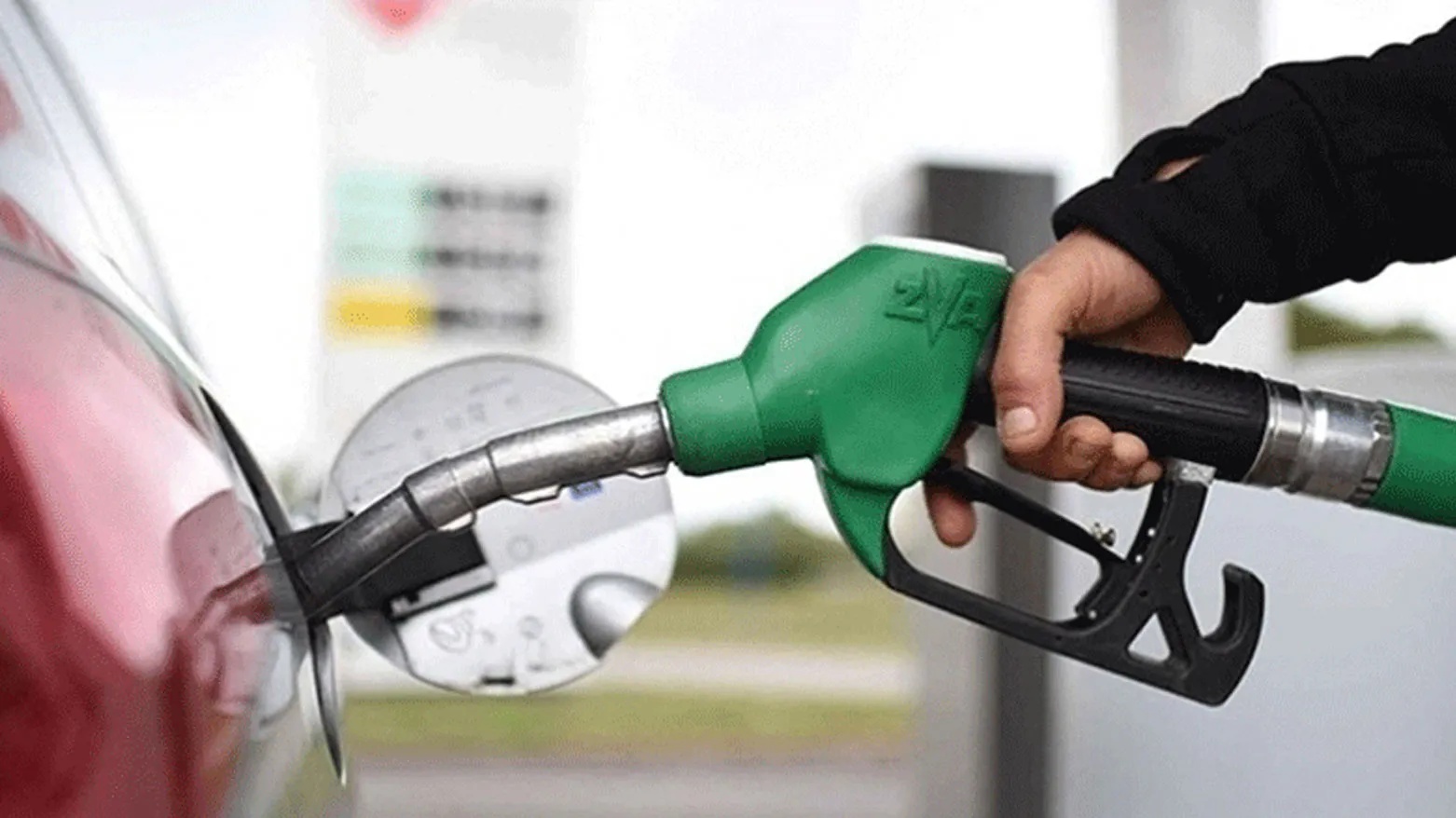
Gasoline demand in China is expected to drop at a faster pace this year, as the Iran war drives oil prices up and accelerates the long-term shift away from internal combustion engines. Gasoline consumption could contract by 5.5% this year,
according to GL Consulting forecasts, which lowered estimates from a previous 5.2% contraction. If realized, it would be the second-largest decline on record after 2022, when strict COVID-19 lockdowns collapsed demand. War Drives Energy Prices GL Consulting said the lower
forecast reflects the impact of high prices as the Persian Gulf conflict disrupts oil and gas trade. These estimates align with bleak forecasts from other analysts, as the IEA expects Chinese gasoline demand to slow to near stagnation this quarter,
down nearly 60,000 barrels per day compared to the same period last year. China is the world's largest crude importer, but rapid fleet electrification and switching to fuels like LNG have reduced demand over recent years, leaving Beijing facing surplus
refining capacity. Liao Na, founder of GL, said the price spike since late February worsened the issue, making drivers more conservative in refueling. Consumer gasoline prices in China rose to around 9.56 yuan ($1.41) per liter in mid-April, approaching record
levels, according to GlobalPetrolPrices data cited by the IEA. To protect consumers from the Iran war repercussions, China's NDRC capped fuel increases before later lowering prices. Gasoline and Diesel Demand Michal Meidan, director of the China Energy Programme at the
Oxford Institute for Energy Studies, said: "Higher prices at pumps, despite NDRC interventions to limit increases, negatively impacted gasoline and diesel demand." He added this "worsens with rising inflationary pressures, but also coincides with convenient driving alternatives in most Chinese
cities." This led local inventories to rise to high seasonal levels, encouraging Asia's largest refiner to cut operating rates and reduce crude imports. GL Consulting also forecast diesel demand to drop 4.5% this year, with China's crude imports set to
fall by about 10% in the largest recorded decline, while refinery operating rates are expected to drop by about 4%.