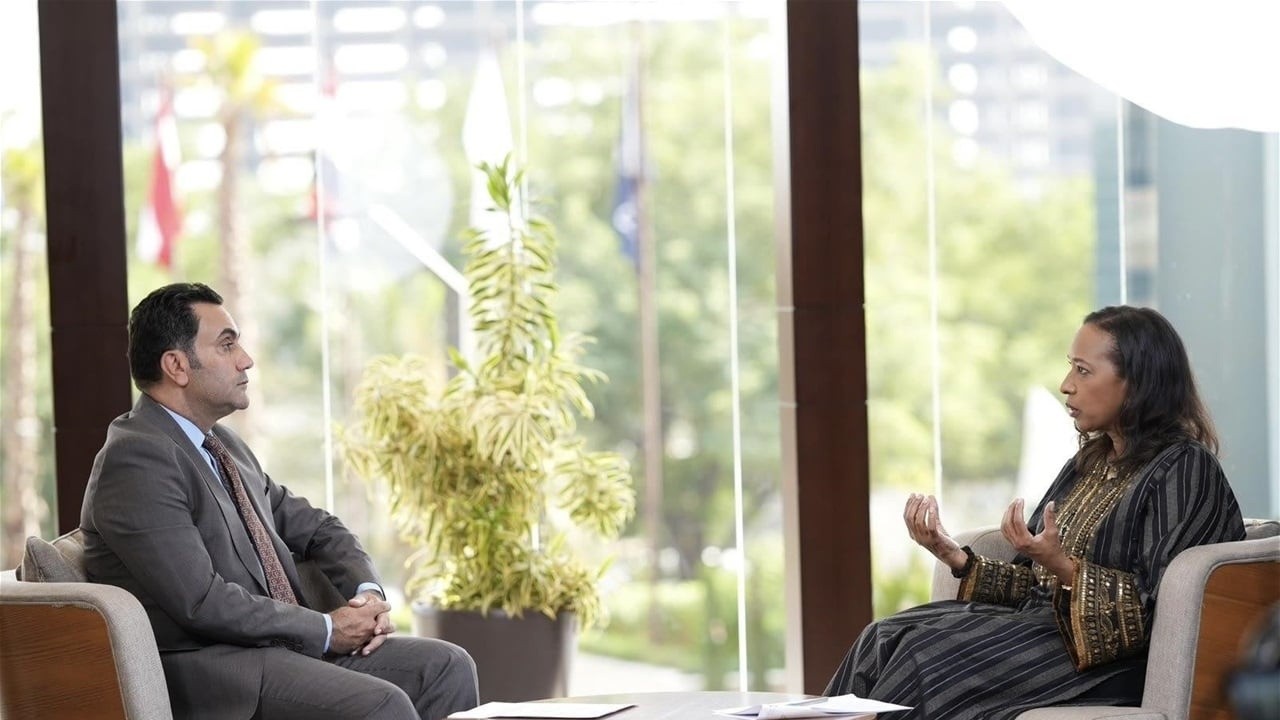
Pamela Coke-Hamilton, Executive Director of the International Trade Center, affirmed the Iraqi government's commitment to accelerating the accession process to the World Trade Organization, expressing hope to complete membership requirements by 2028. She revealed a proposal to develop a national
trade and investment strategy, emphasizing that Iraq is well-positioned to become a regional hub for trade and investment. Coke-Hamilton explained that the center continues to support Iraq in fulfilling accession requirements by reviewing local laws and regulations and building the
capacities of governmental institutions and the private sector. Iraq submitted its goods offer last September and is currently working on completing the services offer. She added that there is a clear governmental commitment to expedite the procedures, which she observed
during meetings with the Ministers of Foreign Affairs and Trade. The government recognizes the importance of this step and the economic, trade, and investment opportunities it provides, while time remains the biggest challenge in completing the required procedures and reforms.
Membership in the World Trade Organization will enhance international investors' confidence in the Iraqi economy by providing a more stable, transparent, and clear commercial environment, thus integrating Iraq into the global trading system and signaling its readiness to attract business
and investment. Coke-Hamilton disclosed the submission of a proposal to develop a national trade and investment strategy based on the national development plan for 2024–2028. The strategy aims to identify promising economic sectors, establish a roadmap for their development, enhance
their investment attraction capacity, support existing government plans, and expand job opportunities for youth, women, and vulnerable groups. Regarding economic diversification, she noted that developments related to the Strait of Hormuz have highlighted the risks of over-reliance on oil revenues
and underscored the need to build a more diversified economy capable of facing crises, estimating economic losses from a single related incident at around 60 billion dollars. She stressed the importance of developing construction, tourism, information technology, and agricultural and
food industries as promising sectors that can contribute to diversifying national income sources and reducing dependence on oil. Small, medium, and micro enterprises represent a fundamental engine for economic growth, constituting about 90% of the economy, according to her. The
center supports these enterprises by enhancing their production capacities, facilitating market and financing access, and training owners in financial record management and compliance with commercial standards. In the agricultural sector, she highlighted the success of the SAFE project launched in
2020, which supported over four thousand Iraqi farmers and achieved a 70% increase in production and exports. The project contributed to developing agricultural businesses and training youth, with ongoing efforts through the JOBS project to enhance employment opportunities and capacity
building. The center's programs have helped develop Iraqi agricultural and food products such as potatoes, tomatoes, and poultry, assisting producers in meeting required commercial standards, enabling some products to reach modern retail chains including Carrefour stores. One of the main
challenges facing Iraqi agricultural and food exports is the lack of accredited local laboratories for conducting tests required by international markets, forcing producers to send samples abroad, increasing costs and reducing competitiveness. She emphasized the necessity of investing in testing
laboratories and quality systems, particularly to support exports of agricultural products and dates. Regarding trade partnerships, she announced that the Iraqi National Trade Fair achieved sales exceeding 83 million dollars and contributed to strengthening partnerships and attracting the interest of
major international companies including Siemens, Alcatel, Nokia, and General Electric. The fair witnessed broad participation reflecting the volume of trade and investment opportunities available in the Iraqi market. Concerning the construction sector, the center is working on its development by
introducing green building standards and energy efficiency, implementing programs to train Iraqi youth on modern construction techniques, solar panel installation, and climate-smart building development, aiming to support sustainable reconstruction and enhance the competitiveness and attractiveness of the construction sector for
investment. She noted that Iraq possesses significant historical, cultural, and civilizational assets that qualify it to transform tourism into an industry capable of generating substantial revenues. She stressed the importance of investing in developing youth skills in hospitality, tourism services,
and digital technologies to exploit untapped tourism potential and create new job opportunities. Digital transformation and information and communications technology are among the most promising sectors in Iraq's economy, offering local companies platforms to access global markets and expand exports.
She highlighted the importance of developing digital skills and artificial intelligence applications, especially in tourism, services, and trade sectors. She revealed the continuation of the MASAR project to prepare Iraqi youth for the labor market through technical and vocational training
in construction, tourism, and hospitality sectors, aligned with market needs and local conditions. Building human capacities and providing practical training are fundamental to creating job opportunities and supporting economic development. In conclusion, she affirmed that Iraq has significant economic and
human potential enabling it to become a distinguished regional center for trade and investment, noting that the International Trade Center supports the government's vision to build a strong and diversified economy, enhance the private sector's role, empower youth and women,
and expand partnerships between Iraqi companies and international investors.