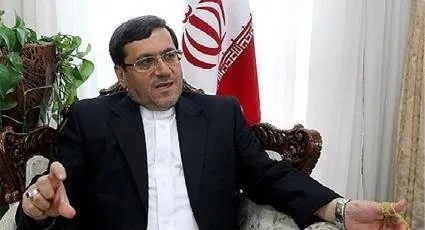
The National Security and Foreign Policy Committee of the Iranian Parliament has completed its study of the "Strategic Measure Project for Ensuring Security and Sustainable Development of the Strait of Hormuz and the Gulf," following approval of its remaining articles. Hassan
Qashqavi, the committee's spokesperson, told journalists after a Sunday meeting that members continued discussing the project and voted on Article 16. Qashqavi clarified this approved article stipulates the legal system governing the area within the Strait of Hormuz will be
subject to the new law's provisions upon its entry into force. He added Article 16 mandates annulment of all conflicting provisions, laws, and regulations related to the Strait, making the law, once finally approved, the primary legal framework for the
region. Qashqavi affirmed Article 16's approval concluded the project's study phase within the parliamentary National Security and Foreign Policy Committee. In a related context, the official Iranian news agency (IRNA) reported that parliamentary and government bills, after committee approval, are referred
to the Shura Council's general session for a vote, becoming enforceable upon Guardian Council endorsement. Separately, Fars news agency had previously reported Iranian armed forces dealt with vessels attempting to cross through unauthorized routes in the Strait of Hormuz over the
past two nights. The agency, known for its proximity to Iran's security and military establishments, stated seven non-compliant vessels were addressed last night, plus twelve others the night before. These reports have not yet been independently corroborated, though local residents
reported hearing naval explosions near the Strait of Hormuz during the mentioned two nights. This follows a statement issued hours earlier by the Iranian Revolutionary Guard Corps (IRGC), declaring the "Strait of Hormuz closed," and affirming firm, continuous action against dangerous
movements and unauthorized crossings within the Strait. These developments coincide with ongoing tensions regarding navigation in the Strait of Hormuz, a crucial maritime passage for global oil and energy transport.