
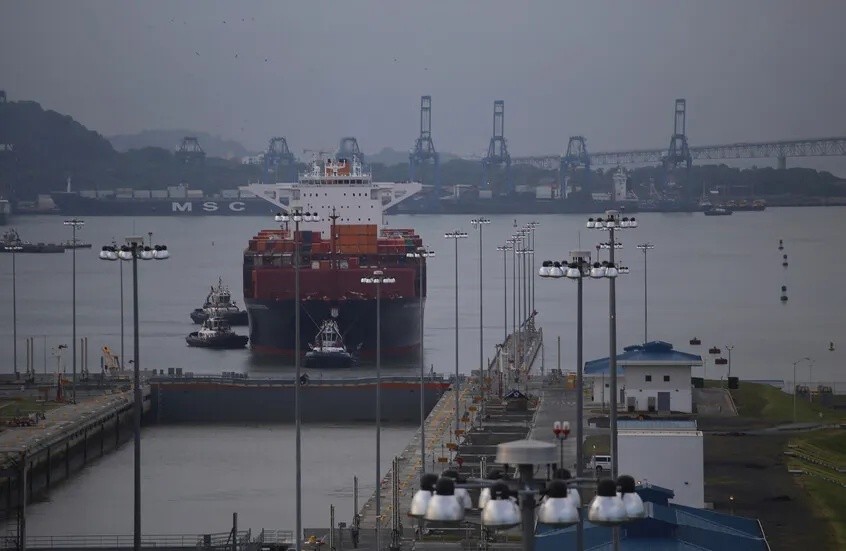
The Panama Canal Authority has begun reducing daily ship transits. This exceptional measure addresses a sharp water level decline, enforced by drought linked to the powerful El Niño climate phenomenon. The Authority announced a gradual cut from 36 vessels currently to
32 daily by mid-September. This is due to lower water levels in artificial Gatun and Alajuela lakes, which supply the canal's locks with vital water for lifting and passing ships. This follows Panama's national emergency declaration, amid forecasts that the current
El Niño wave will be strongest in four decades. Other Central American nations like Honduras and El Salvador also face escalating drought, prompting their alert declarations. The Canal administration also imposed extra water conservation measures, including lowering the maximum allowable draft
for vessels. This might compel some large tankers to reduce cargo for safe passage. The step is crucial: the canal links the Atlantic and Pacific, facilitating 5% of global maritime trade and 40% of U.S. container traffic. These restrictions recall the
2023 crisis, when daily transits were cut to 22 ships due to the same climatic phenomenon.