The United Nations is heading towards an unprecedented liquidity crisis, threatening to push it into insolvency within a few months, as key financial contributions from the United States and China, the organization's largest funders, remain overdue. UN Secretary-General António Guterres
has warned that the organization is in a "race to bankruptcy," expressing serious concerns that it could run out of cash by mid-August if the current financial situation persists. This financial deterioration comes at a time when the United Nations faces
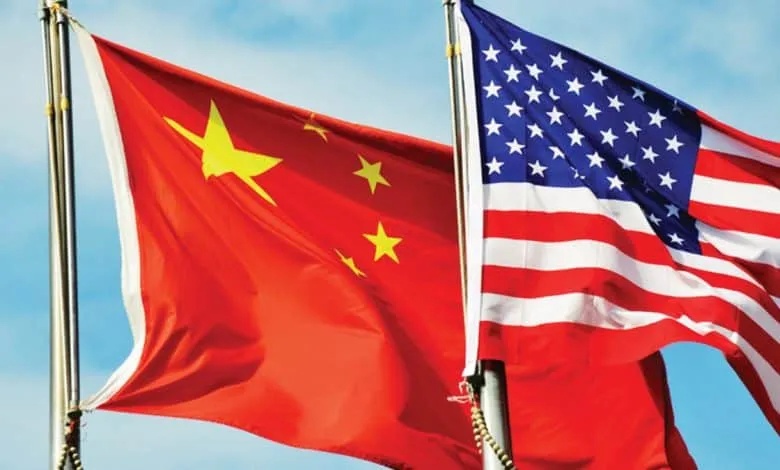
increasing global challenges, including international conflicts, humanitarian crises, food security, and the need to regulate emerging technologies, all of which limit its ability to fund essential operations and programs. Washington and Beijing are the pillars of the UN's core funding, contributing
approximately 42% of its operational budget. Outstanding arrears from the United States exceed $4 billion, comprising $2.037 billion for the regular budget and $2.247 billion for peacekeeping operations. Previous US administrations have linked additional contributions to the implementation of broad
structural reforms within the organization, including reducing administrative positions, cutting travel expenses, and utilizing machine translation to lower operational costs. For its part, despite presenting itself as a defender of the United Nations, China has contributed to the deepening crisis by
delaying a portion of its annual payments. While Beijing recently transferred approximately $850 million, it still owes the organization about $455 million. Analysts suggest that since 2022, China has begun delaying the final portion of its annual contributions to use
as leverage in political and financial matters within the organization. In response to the escalating financial deficit, the United Nations has been forced to adopt unprecedented austerity measures. These include eliminating nearly 3,000 positions in the Secretariat, closing several offices, curtailing
operational services, reducing interpreter hours, even shutting down some escalators at its New York headquarters, and postponing crucial maintenance work on the 75-year-old building. The organization has also accelerated troop reductions in African peacekeeping missions and delayed payments to poor
troop-contributing countries like Nepal and Bangladesh. Analyses indicate that part of the problem lies in the organization's complex financial system, where unused funds at the end of the year are returned to member states, even if they have not fully paid
their contributions. This creates an "absurd loop," as described by the Secretary-General. The organization estimates that the value of these unused appropriations could reach $299 million by 2026. The current crisis is seen as partly reflecting the escalating rivalry between the
United States and China for influence within international institutions. Washington uses funding as a tool to press for reforms, while Beijing exerts more subtle influence through financial committees and political alliances, particularly with the G77 group and Russia on spending
matters. As payments from the world's two largest economies continue to be delayed, the United Nations faces an exceptional financial and political test that could reshape the future of its role.