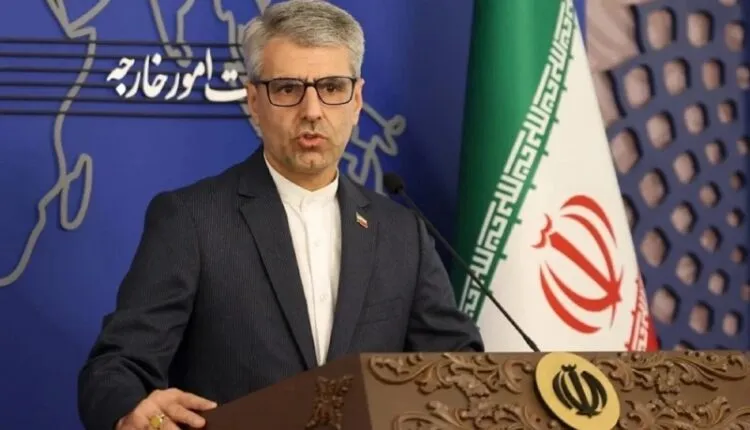
The spokesperson for the Iranian Ministry of Foreign Affairs, Esmaeil Baghaei, confirmed that relations between Iran and Iraq are "solid" and are not affected by the change of governments in Baghdad, pointing out at the same time to the continuation
of indirect negotiations with the United States through Pakistani mediation, alongside firm Iranian positions regarding the nuclear file and lifting sanctions.
Baghaei said, in a press conference, that Iranian and Omani technical teams held meetings to coordinate on the Strait of Hormuz file, stressing that "the new arrangements in the Strait aim to ensure safe transit and protect Iran's sovereignty and natural rights."
He added that his country "bears no hostility toward any country in the region, including the UAE; we are neighbors and Tehran seeks peace," but he pointed out at the same time to the existence of "blame for countries that
place their lands, capabilities, and skies at the disposal of aggressors."
He added that his country "bears no hostility toward any country in the region, including the UAE; we are neighbors and Tehran seeks peace," but he pointed out at the same time to the existence of "blame for countries that place their lands, capabilities, and skies at the disposal of aggressors."
Baghaei described the US presence as "putting the region in permanent danger," accusing the United States of America of "acting like sea pirates."
Regarding negotiations, he explained that talks with Washington are ongoing through Pakistani mediation, indicating that "the exchange of views continues through the Pakistani mediator, and we have presented our viewpoint regarding the US remarks after Washington rejected the Iranian proposal."
Baghaei noted that "Iran's right to enrich uranium is non-negotiable," indicating that "media reports and speculations regarding uranium enrichment are not new and have no basis."
He also stressed that Tehran's demands are "clear," foremost among them the release of frozen Iranian assets and the lifting of sanctions, adding that Iran "cannot waive its rights under any threat or economic pressure, and will respond to any mistake from the other side."
Baghaei continued, saying that "his country is documenting crimes committed by aggression countries for the legal path of accountability," pointing out that "every violation of international humanitarian law, such as the Minab school incident, has been documented and registered with international courts."
The Iranian official criticized the draft resolutions proposed in the Security Council regarding Iran and the Strait of Hormuz, considering them "outrageous and unacceptable because they did not refer to the aggressors."
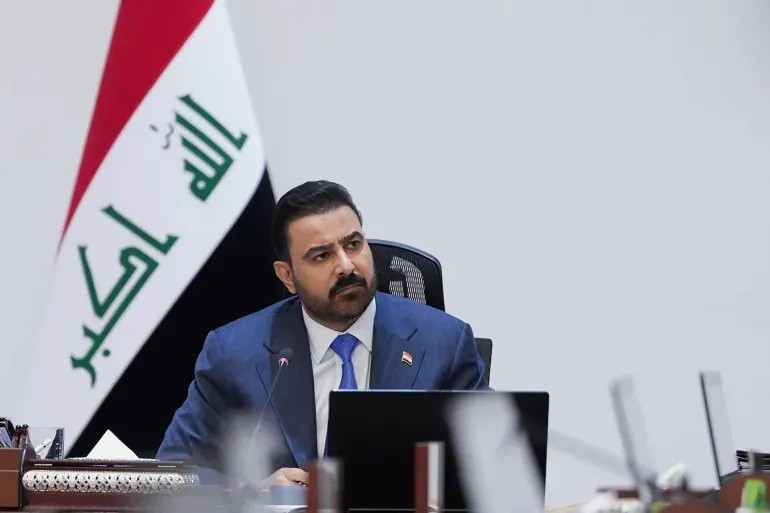
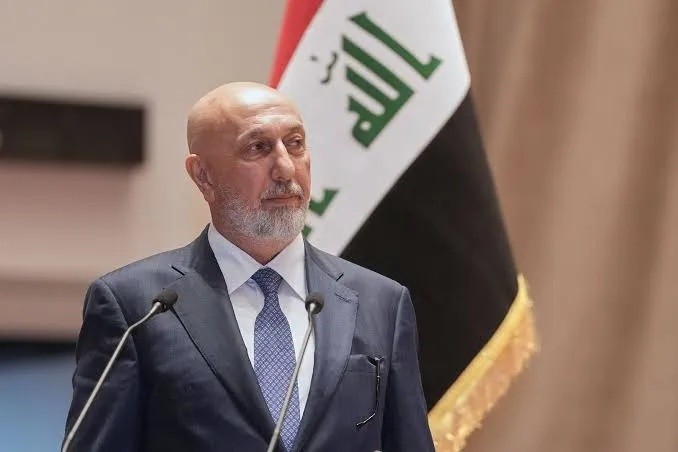
Regarding the new government in Iraq, Baghaei explained that "Iran's relationship is solid with Iraq, and the change of governments does not affect the nature of the relationship."
He concluded his speech by saying that "Kuwait's detention of passengers of an Iranian boat is an unacceptable behavior and is not wise," adding that "his country has no difference of views with China."