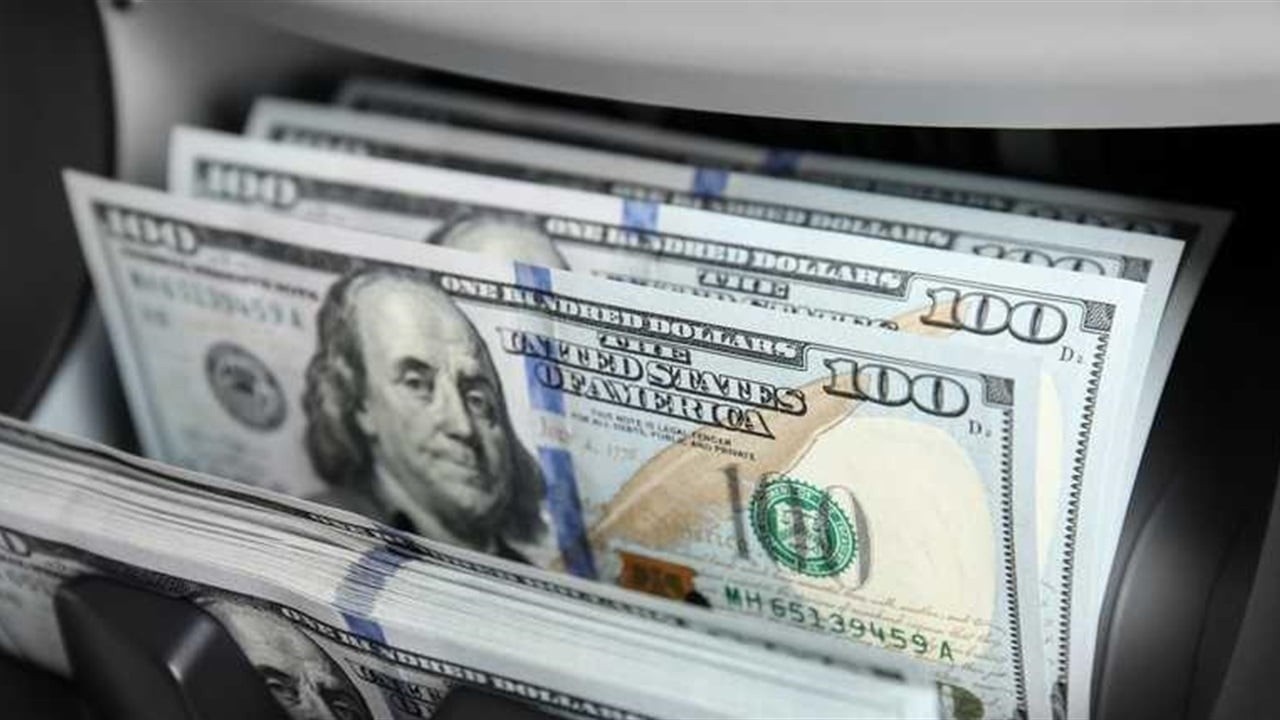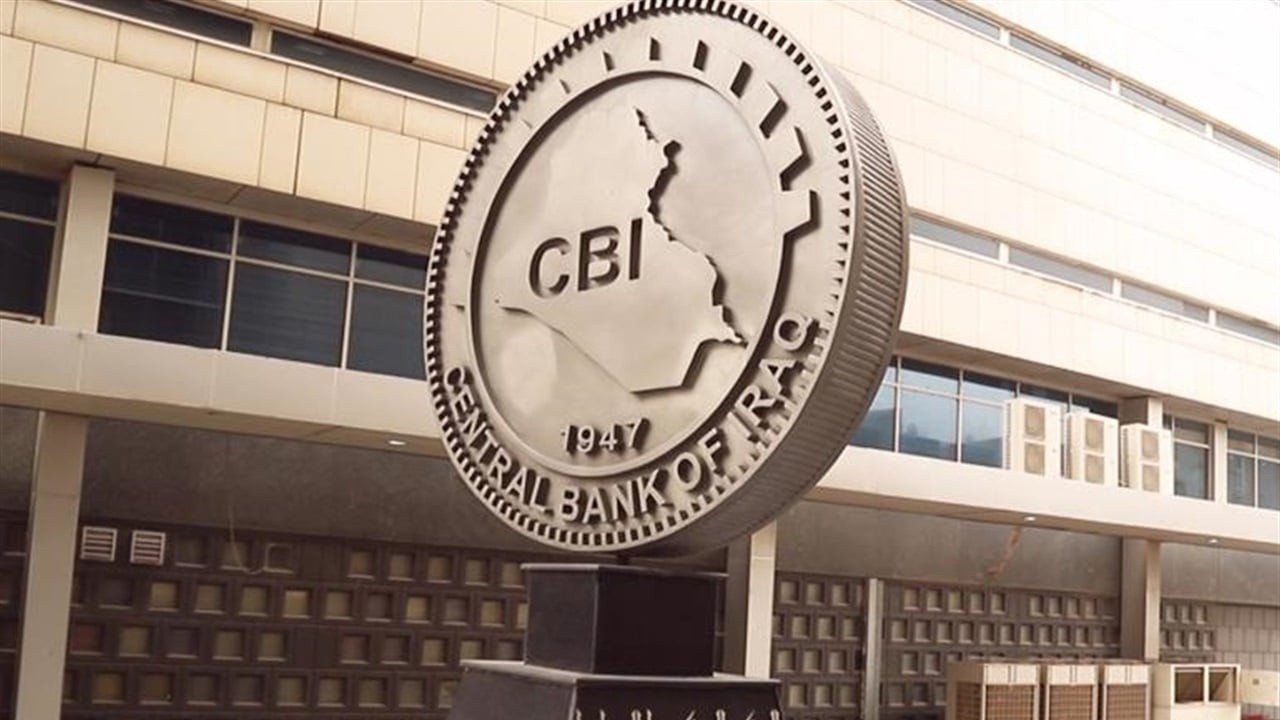
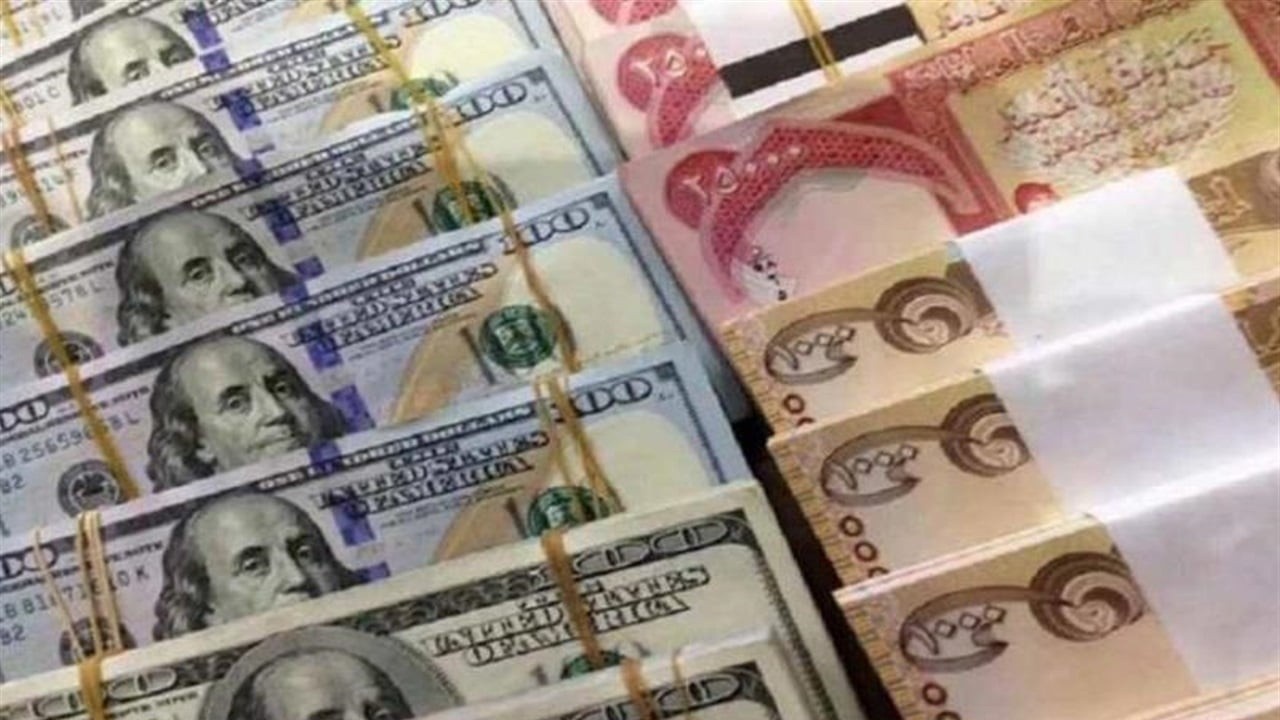
The Central Bank of Iraq emphasized the crucial role of the exchange rate in the national economy during a statement at the Middle East Research and Peace Forum held in Erbil. The bank’s current primary mission is to maintain the
value of the local currency against foreign currencies. Samir Fakhri, the representative of the Central Bank governor, explained that the significance of the exchange rate varies among countries. However, for Iraq, whose economy heavily relies on oil revenues denominated in
dollars, the exchange rate is a fundamental factor. He pointed out that Iraq’s income sources depend on external demand, while government spending in dinars is the main driver of aggregate demand in the economy. The relationship between oil revenues and
the exchange rate forms the core of this economic equation. Fakhri added that the Central Bank aims to preserve the stability of the Iraqi dinar against foreign currencies, noting that private sector growth enhances the GDP and reduces the demand
for dollars. He highlighted that every dinar spent by the general budget generates demand for dollars through the Central Bank, due to the limited contribution of local economic sectors to the GDP. The representative stressed the importance of developing the
private sector and increasing its actual contribution to GDP to reduce dollar demand. He clarified that 60 to 70% of the dinars spent translate into dollar demand, while the remaining portion accumulates in the Central Bank’s reserves. Furthermore, he explained
that the Central Bank’s reserves belong to the state, with the government representing the counterpart to the dinars spent through the exchange rate mechanism. He confirmed that Iraqi exports rely heavily on crude oil, which accounts for over 93% of
the state’s total revenues.