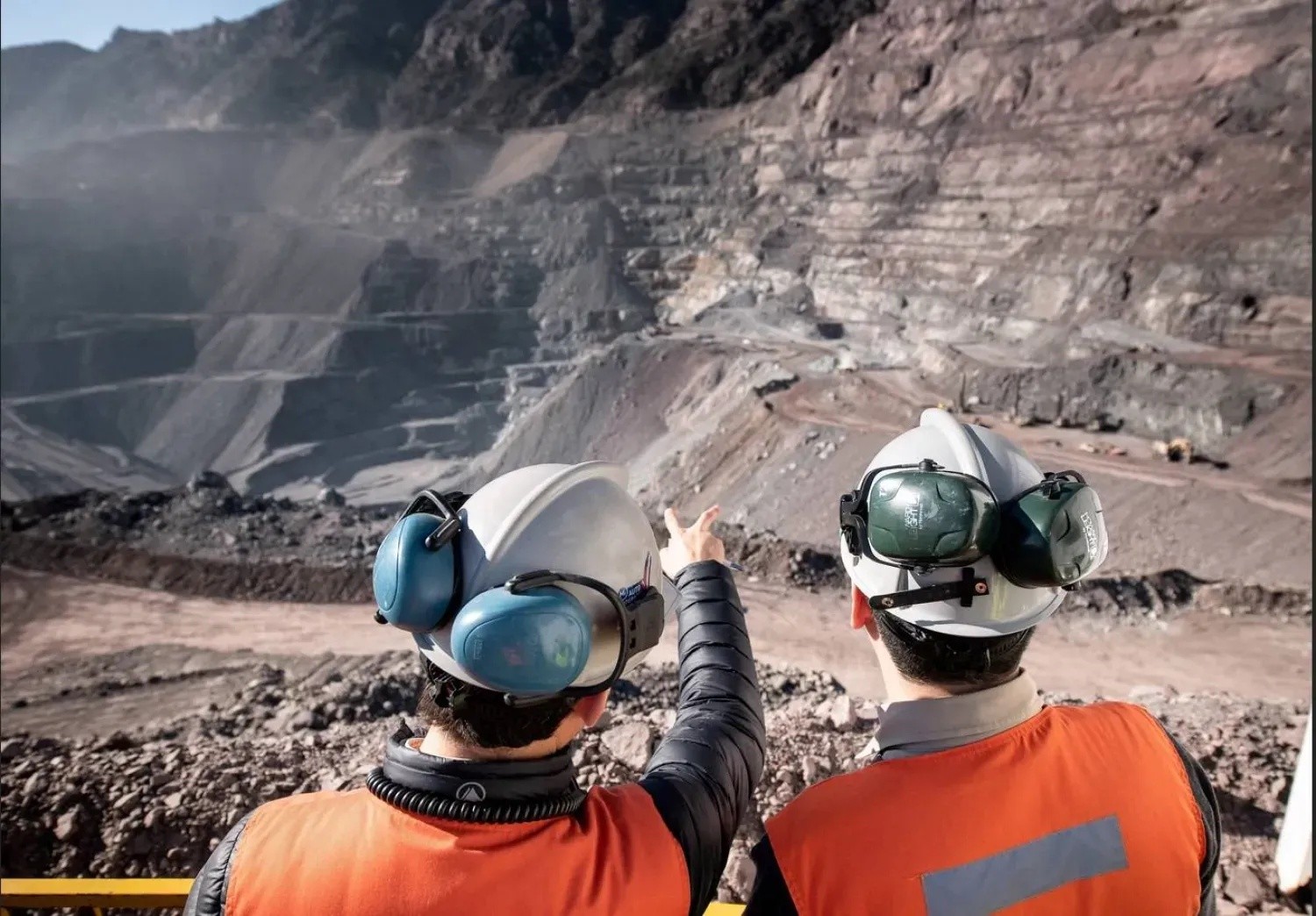
A union at Chile's Escondida mine, the world's largest copper producer, has rejected BHP's request to postpone labor contract negotiations, following a fatal accident that killed a worker earlier this week. BHP, in an internal memo, sought a temporary suspension of
talks with supervisors and employees due to the fatality. However, negotiations will proceed as scheduled, as the supervisors' union rejected the request. The supervisors' union condemned BHP's exploitation of this tragedy to halt collective bargaining, emphasizing previous warnings about declining safety
standards. BHP later clarified its request aimed at focusing on worker support, stating this legally permissible measure concentrates efforts on care and support during this difficult time. Separately, a union representing general mine workers deemed it "unacceptable" for significant activities to
continue post-accident, noting only partial halts followed intervention by Sernageomin, the national mining regulator. This union also criticized the company's attempt to stop new contract talks, calling it "a stalling tactic we reject; a worker's death cannot be used for
other agendas." BHP, in a subsequent statement, affirmed full halt of mining operations and most other operational areas at the site immediately after the incident. Supervisors are scheduled to vote next week on BHP's latest formal offer, with their union urging rejection,
potentially leading to a labor strike. Mine management announced Thursday a gradual return to extraction operations, alongside the company's ongoing assessment. The Escondida mine, located in Chile's Atacama Desert, is operated by BHP. Rio Tinto holds a 30% stake, while Japan's
JECO owns 12.5%.