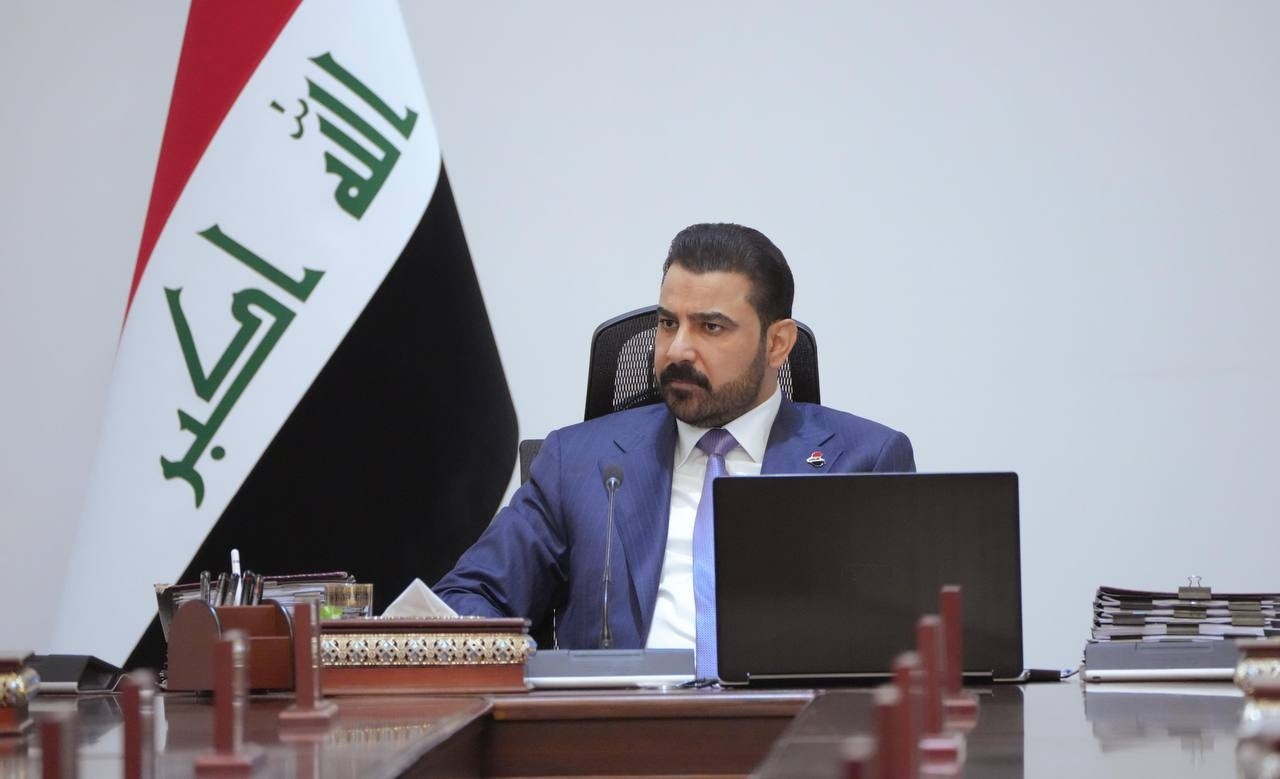
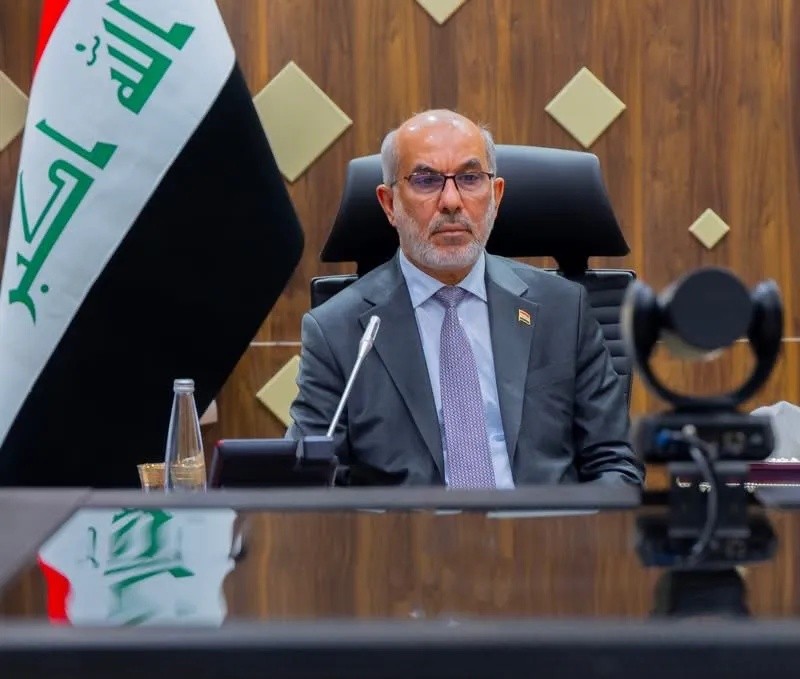
Iraq's Minister of Oil, Basim Mohammed Khudair, affirmed that his ministry is implementing a comprehensive strategy to develop the nation's oil and gas sectors. This strategy encompasses increasing production and exports, diversifying export outlets, upgrading refineries, and investing in natural
gas while reducing flaring, in addition to fostering the participation of Iraqi companies and building national capacities. The announcement came during the opening of the fourth edition of the Iraq Oil & Gas Exhibition, Projects, and Licensing Rounds. Khudair clarified that
international companies, with continuous governmental support, have successfully achieved significant milestones, notably elevating oil exports. Exports have risen from approximately 200,000 barrels per day at the onset of the current government's term to over 3 million barrels per day during
September. He added that the diversification of export channels has been realized through the signing of the Iraq-Turkey agreement, which contributes to reactivating and strengthening the northern export route and opening new pathways for Iraqi oil. Strategic projects are also underway
with a consortium of American companies Chevron and TA, along with Qatari partner UCC, to connect Basra with Fishkhabour, including a branch towards Baniyas, thereby enhancing the security and flexibility of Iraqi exports to global markets. He further noted the signing
of several important agreements, alongside the Prime Minister, aimed at developing fields and exploratory blocks and implementing strategic oil infrastructure projects. Khudair indicated that the refining sector has been prioritized for the upcoming phase, emphasizing that the objective is no longer
limited to increasing crude oil production and export. Instead, it extends to boosting refining capacities to ensure sustained production and meet local consumption demands. The plan for refinery development aims, as a first phase, to achieve self-sufficiency in petroleum products,
followed by exporting surpluses. He mentioned that investment opportunities in this vital sector would be announced soon, inviting all companies and investors to compete in this crucial economic domain. The Minister confirmed the ministry's success, after intensive negotiations, in persuading the Japanese
company (JGC) to return to Iraq and resume work on the Fluid Catalytic Cracking (FCC) project in the southern refineries. He considered this a crucial step to increase the production of petroleum derivatives and maximize the added value of Iraqi
oil. He stressed that the ministry's vision for the next phase focuses on building a more integrated oil sector. This is achieved through increased production and export, diversified export channels, refinery development, gas investment and flaring reduction, and enhanced partnership with
Iraqi companies and national capacity building. The vision also includes combating all forms of corruption and dealing transparently and fairly with international companies and secondary contractors, to create an effective investment environment that ensures the achievement of mutual interests. Khudair welcomed
the international companies participating in the conference, reaffirming that Iraq possesses vast investment opportunities in exploration, production, gas, refining, infrastructure, and oil services. He highlighted the Ministry of Oil's commitment to building genuine partnerships that serve common interests. He concluded by
stating that the forthcoming phase represents a beginning of a transition from crisis management to building sustainable solutions, from exporting crude oil to maximizing its added value, from flaring gas to investing it, and from importing products to producing them
locally and achieving self-sufficiency. He expressed hope that the conference would serve as a platform for launching further projects and partnerships contributing to the development of the oil and gas sector and achieving sustainable development for Iraq.