Amid escalating protests in France, a new movement called the "White Vests" has emerged, aiming to confront violence without siding with the police or relinquishing the right to demonstrate. This initiative was launched by a French businessman who witnessed teenagers
vandalizing stores and decided to take to the streets with volunteers to calm protesters and prevent escalation. The question remains whether this movement can successfully protect protests from the violence overshadowing their demands. During last Saturday's march in Chambéry, six
volunteers faced a challenging test to implement their idea based on the power of saying "no" to prevent chaos. David Coe, a 48-year-old businessman residing in Chambéry, witnessed two thirteen-year-old boys throwing stones at the glass facade of an FNAC
store. He approached them and asked them to stop, raising his voice, which led to their quick withdrawal. Coe observed that 95% of those involved in looting were spectators or recording the events, identifying the problem as a collective influence
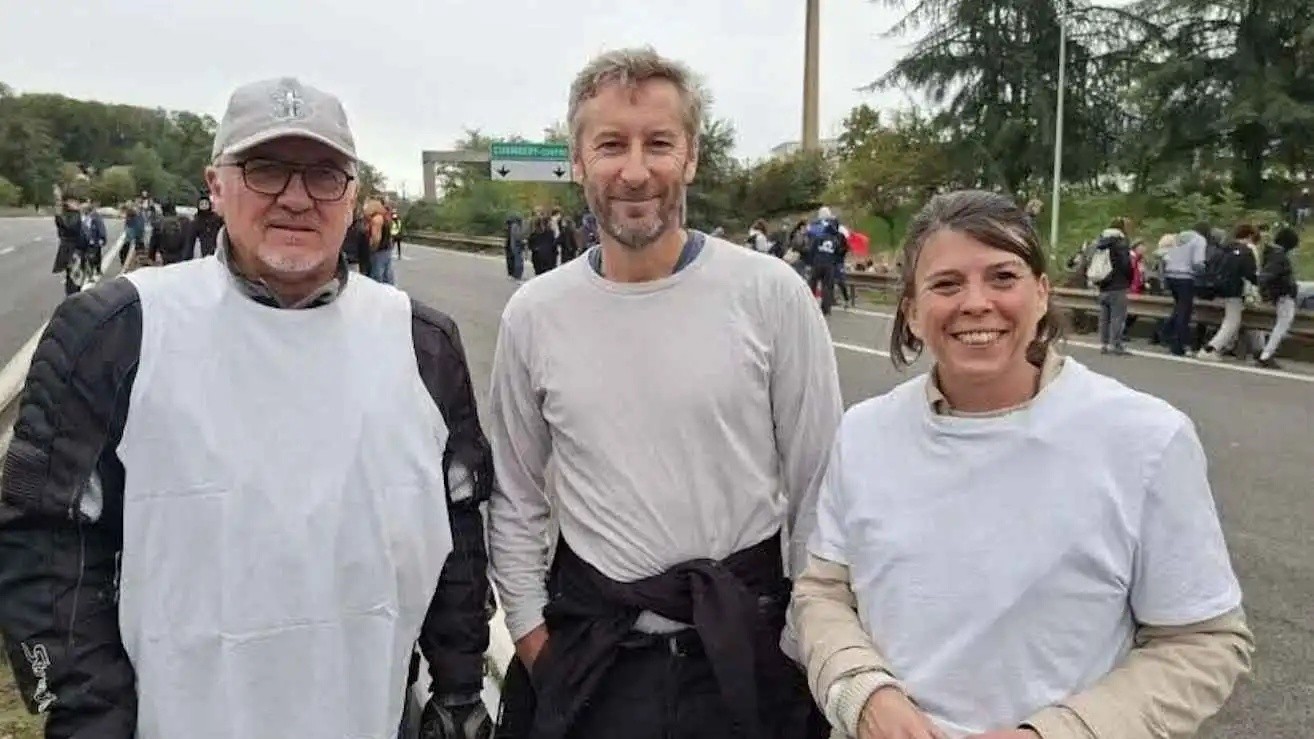
and negative contagion. He believes that the mere presence of an adult saying "no" can change the situation. Consequently, he created a Facebook page and gathered a group named the "White Vests." In the October 24 march, six volunteers wearing
white T-shirts participated, removing obstacles, opening dialogues with youths, listening to them, and trying to ease tensions in a charged atmosphere. However, they struggled to deal with about 200 protesters dressed in black with covered faces, who were at the
front lines confronting police with handheld explosives. Coe clarifies their role boundaries, stating they do not replace security forces nor intervene between police and protesters. They cannot confront organized groups of rioters but focus on the movement's fringes to prevent
escalation and calm herd influence. Volunteer Corinne explained that although she usually does not protest, the unrest compelled her to act in defense of the right to peaceful demonstration. It is worth noting that the idea of volunteers wearing white
armbands is not entirely new; it appeared in January 2019 during the Yellow Vests protests in Paris, where volunteers accompanied the ranks and tried to guide them to avoid confrontations. Volunteers stated their goal was to direct protesters to avoid
reacting to provocations and form a human barrier protecting everyone, and their presence was accepted by protesters who saw them as a means to maintain peaceful demonstrations. Coe emphasizes that vandalism steals the protest's message and that a poorly conducted
demonstration makes everyone forget the core demands, expressing hope that this initiative is just a beginning that can make a difference in the future.