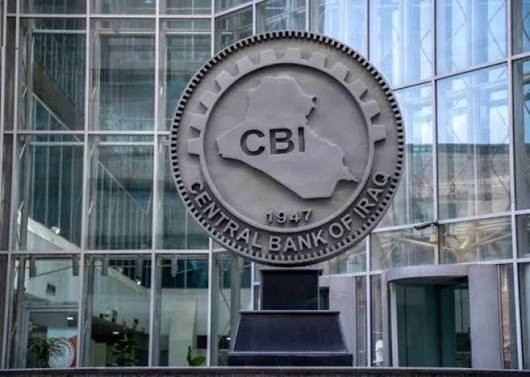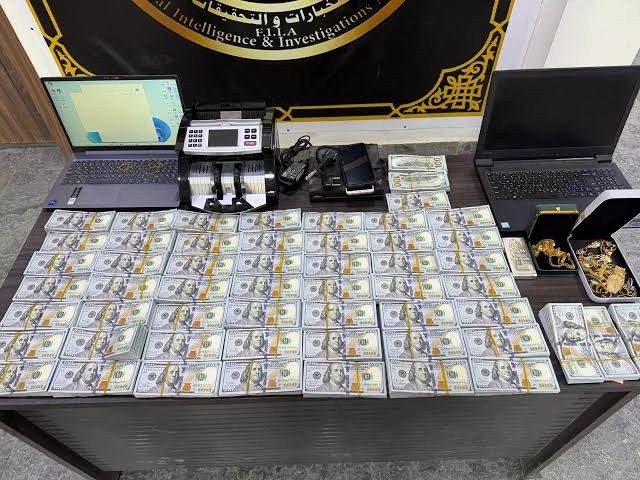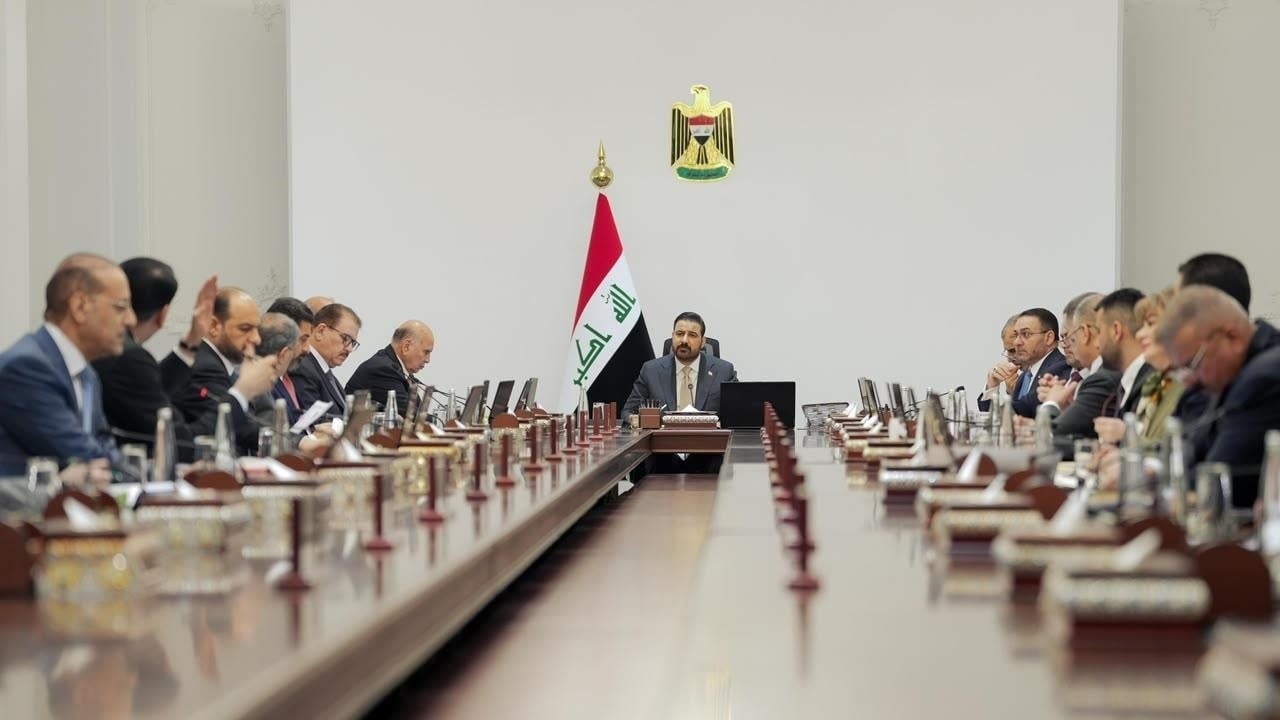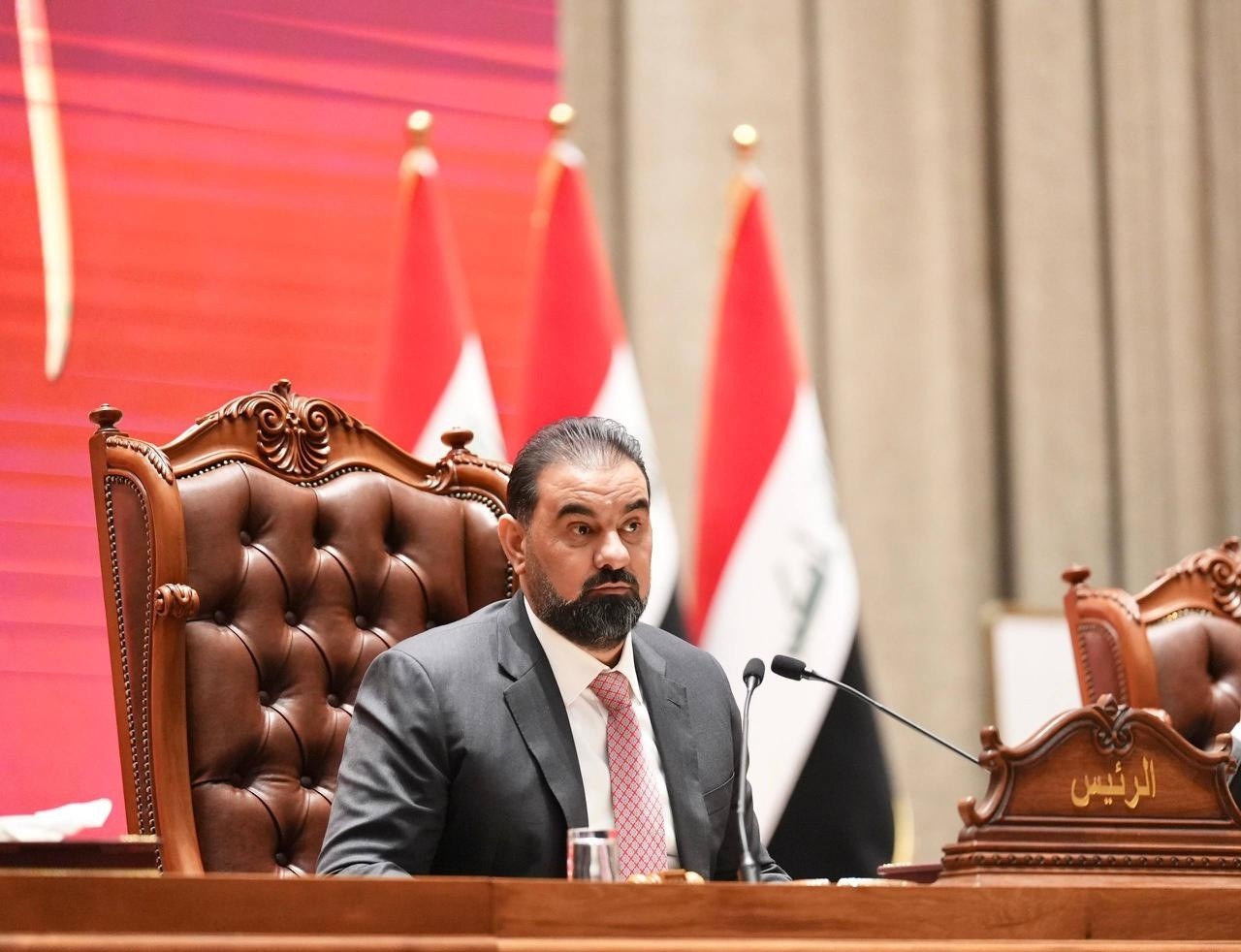
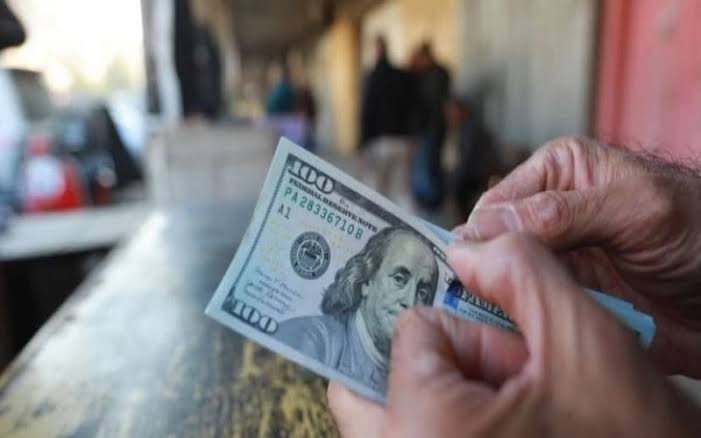
The Financial Advisor to the Prime Minister, Mudher Mohammed Saleh, explained that adjustments to the exchange rate fall within the framework of proactive hedging and safeguarding financial and monetary stability, noting that foreign trade financing continues smoothly and regularly. Saleh
stated in press remarks that the external value of the Iraqi dinar against foreign currencies is closely linked to the availability of foreign currency and the economy's ability to meet import requirements, emphasizing that current regional and international challenges, particularly
risks related to oil export movements through the Strait of Hormuz and their potential repercussions on public revenues, necessitate the adoption of a precautionary and carefully studied approach. He added that these regulatory steps do not reflect any structural imbalance,
but rather fall under preventive measures in anticipation of future variables that may affect the state's monetary resources or its ability to finance public spending, stressing that monetary authorities continue to manage the exchange market efficiently to ensure the stable
provision of foreign currency. In the same context, fiscal policy acts as a safety valve to absorb shocks through coordinated management of spending, revenues, and fees, while customs and tax procedures aim to organize trade movement and rationalize foreign currency
use without burdening citizens with additional expenses or causing unjustified price surges. He pointed out that the general budget employs its vital tools to ensure the continued funding of basic goods and essential services such as food, medicine, and fuel,
forming a defensive line protecting living standards from the repercussions of external shocks, and noting that government support plays an economic and social role in maintaining price stability and local demand. He concluded by emphasizing that the integrated system of
fiscal and monetary policies along with regulatory procedures represents a protective shield for the national economy, aiming to build a monetary safety margin that ensures the continued flow of goods and services and protects purchasing power under exceptional circumstances.