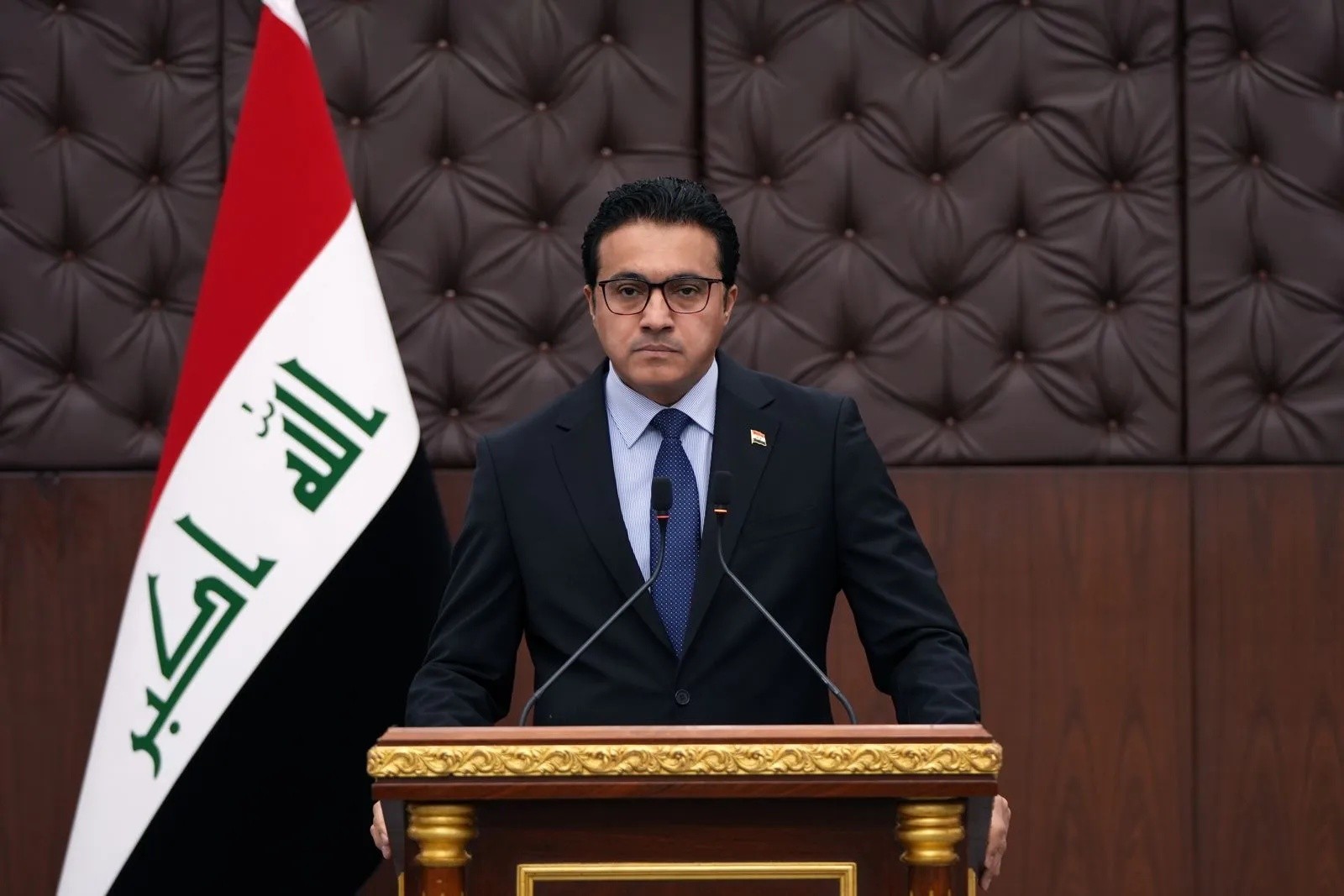
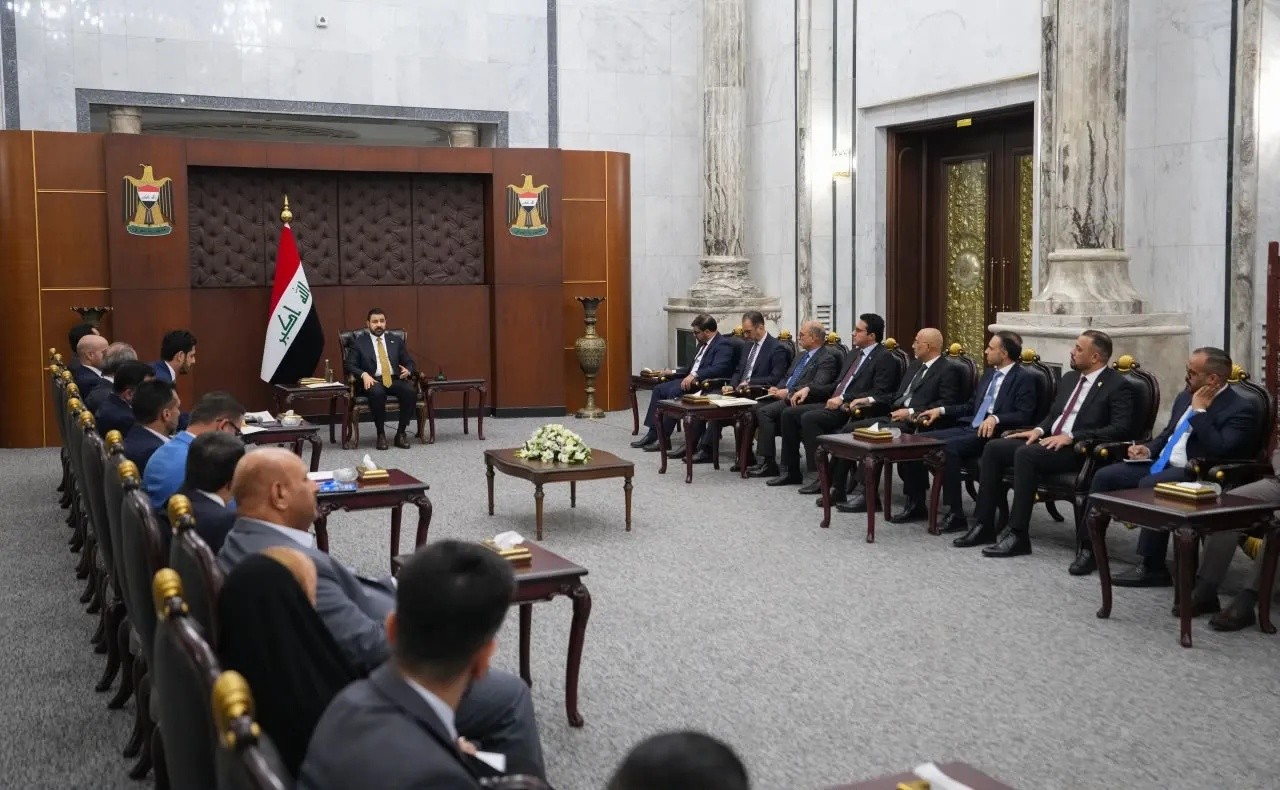
Prime Minister Ali Faleh Al-Zaidi affirmed on Sunday that Iraq is diligently working to de-escalate regional tensions and actively contribute to resolving its various crises, stemming from its role and responsibility in supporting regional security and stability. Al-Zaidi stressed that
the country adopts an open foreign policy based on mutual respect and deepened common interests, striving to build long-term economic and developmental partnerships with countries worldwide and major international institutions. These assurances came during his reception of an elite group of
heads of research and thought centers in Iraq. The meeting thoroughly discussed the operational realities of these centers and their vital role in diverse fields, alongside reviewing mechanisms to enhance the utilization of their outputs, particularly research that contributes to
formulating public policies and supporting the decision-making process. Al-Zaidi highlighted the significant importance of the role played by think tanks and research centers, confirming the government's continuous support for them and its keenness to strengthen communication and cooperation channels between them
and state institutions. He also stressed the importance of enhancing their presence and expanding their contribution to addressing current issues and challenges facing the state and society. He reiterated the call for openness to successful international experiences and benefiting from
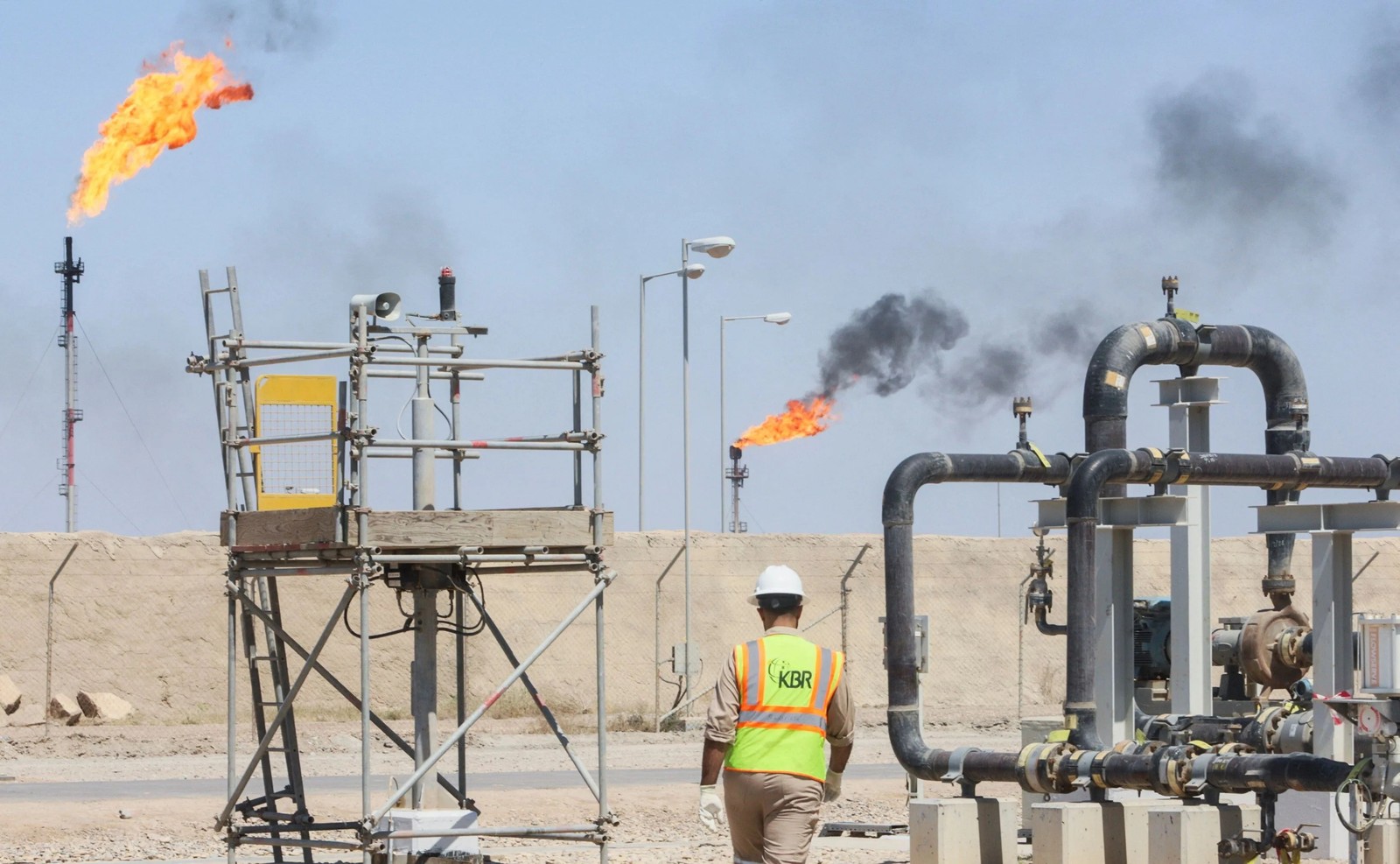
them, adapting them to align with Iraq's unique context and developmental needs, noting their potential contribution to achieving a developmental renaissance. Regarding economic affairs, the Prime Minister clarified that Iraq is currently facing exceptional economic challenges, stemming from the repercussions of
the regional conflict and the closure of the Strait of Hormuz. He indicated that the government continues its efforts to support and develop the private sector, considering it a fundamental pillar for achieving development and diversifying the economy. He also
noted the drive towards establishing a development fund and continuing the implementation of the one-million residential plot project and new cities. For their part, a number of heads of the attending research and intellectual centers presented a range of visions, ideas,
and proposals related to economic, political, and foreign relations aspects, in addition to discussing mechanisms for developing communication and cooperation between government entities and research and study centers.