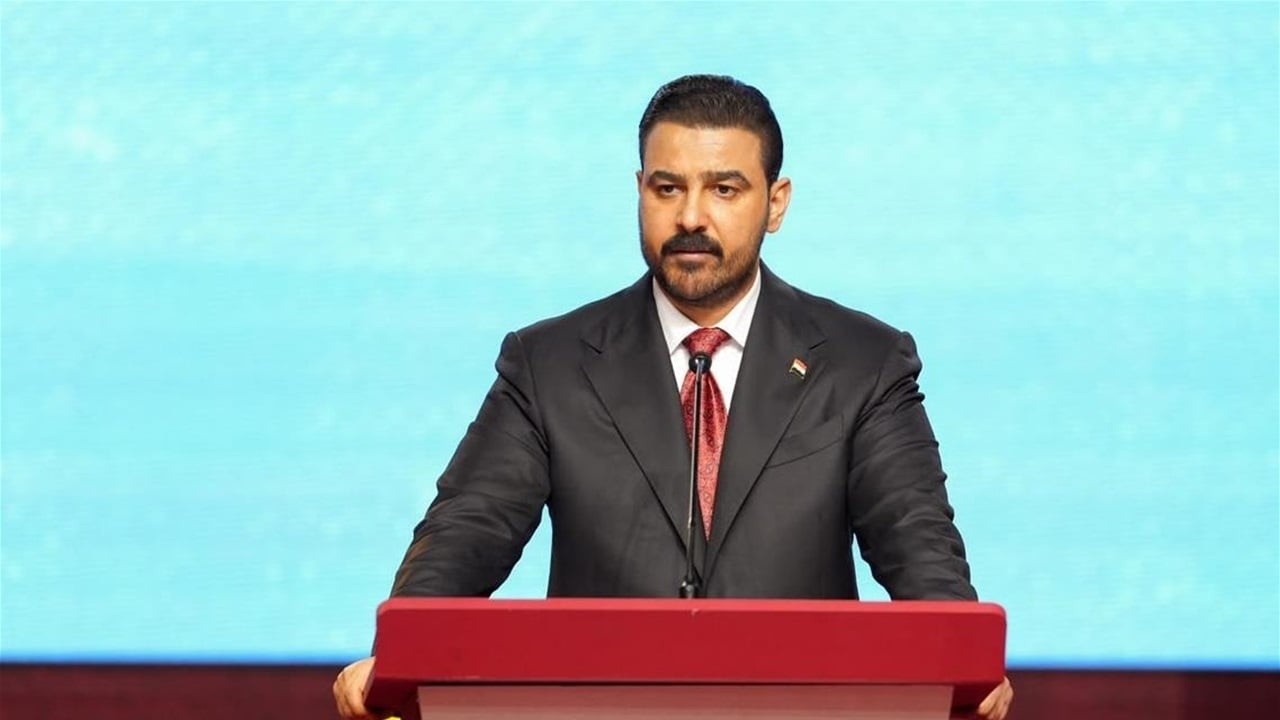
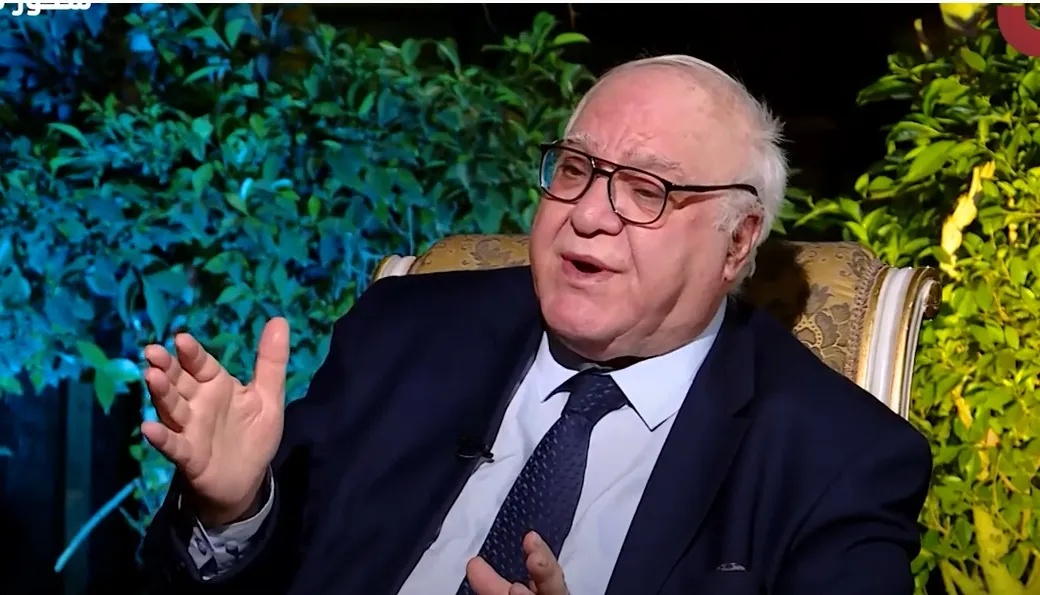
Mazhar Mohammad Saleh, Financial Advisor to the Prime Minister, affirmed Saturday that Iraq's future cannot rely solely on government employment. Saleh stated the current government inherited complex conditions: an oil-dependent economy, a state burdened by administrative and financial legacies, deep corruption,
security and sovereignty challenges, and rising social demands for jobs, services, and a dignified life. He clarified the government views these issues not as separate crises, but as interconnected parts of a single problem: state-building and restoring its capacity to
manage resources and interests. Saleh highlighted anti-corruption as a clear government priority. Its importance transcends merely opening cases or taking actions, aiming to institutionalize the fight against corruption, focusing on oversight, public fund recovery, and accountability for those involved. He stated
that making anti-corruption an open, continuous battle is a crucial step forward, especially since corruption has long been a major impediment to state-building. Saleh reported the government didn't just manage the existing economy; it proposed structural reform. Discussions on program budgeting,
banking reform, tax and customs system development, private sector support, and new financing tools for development and investment reflect an effort to shift from a rentier economy to one that produces value. He affirmed Iraq lacks not resources, but the
ability to transform them into genuine production, jobs, and sustainable wealth. He highlighted the government's focus on investing in energy and infrastructure, and opening broader investment partnership opportunities. He added economic diversification is not just a financial slogan, but the
path to building a real job market and reshaping the Iraqi middle class based on work, production, and efficiency. Regarding the private sector, Saleh reiterated Iraq cannot build its future solely on government employment. He stated the need for an economy
that creates opportunities outside the state, granting professionals, entrepreneurs, and various workers genuine space for growth and development. He noted government success in this area will be measured not just by investment volume, but by the number of productive jobs
created and its ability to turn investments into tangible economic activity directly benefiting citizens. On state and sovereignty, Saleh emphasized that asserting state control over weapons and restoring national decision-making sends a clear political message: economic development cannot be separated from
state-building. He stressed that a strong economy requires a strong state, stable investment needs a clear security and sovereign environment, and a stable middle class depends on institutions operating under law. Concerning the energy sector, he indicated the government views electricity
and energy not just as service sectors, but as fundamental pillars for industry, investment, and production. Any real success in this sector would positively impact the entire economy. He explained government actions in energy and investment are part of a
broader national project: transforming Iraq from an economy that consumes its resources to one capable of effectively investing them. Saleh stated the most striking aspect of the government's short-term experience is its direct confrontation of complex issues, rather than hiding behind
difficult circumstances. These issues include corruption, oil rentierism, public finance, energy, investment, the private sector, and sovereignty. He asserted governments are tested not only by the files they close but also by what they dare to open. He noted the
initial months aren't enough to judge reforms that inherently require years, but they are sufficient to reveal the government's direction and political will. He clarified that, in its economic discourse, the government is not merely proposing increased spending but rather discussing
comprehensive reform of the economic structure. It treats anti-corruption as a pivotal national issue for the entire state, not a mere media campaign. He added the government views the private sector not as a guest in the national economy but
as a fundamental partner in wealth creation. It sees energy as a primary base for development, not just a service, and links sovereignty and stability with the ability to attract investment and build a prosperous economy. He affirmed the government's success
in transforming its initial initiatives into sustainable policies and tangible results signifies it has not merely achieved disparate governmental accomplishments, but has begun a comprehensive reshaping of the relationship between the state, the economy, and the citizen. He pointed out
that the most significant value early in this government's term is re-examining the transition from a rentier state to a wealth-creating state, and from an economy where the rich get richer as opportunities for others diminish, to one where individual
wealth increases contribute to societal wealth. Saleh concluded by saying the first hundred days' importance lies not in achieving all goals, but in demonstrating a government with the will to address long-postponed issues. He explained the courage to open these difficult
files might be the first real achievement, even before tangible results appear on the ground.