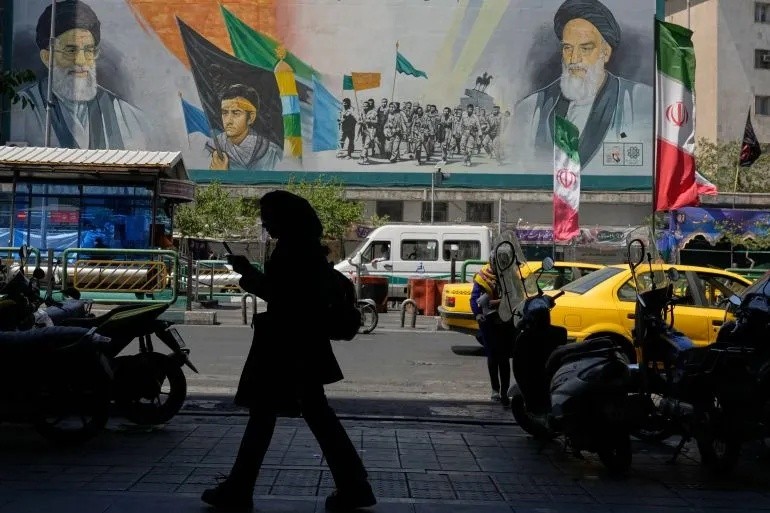
Living conditions inside the Iranian capital, Tehran, are facing extremely difficult pressures, under the weight of economic repercussions described by a local official as very painful, while the country continues its efforts to adapt to these pressing circumstances. These statements
came through Bloomberg via an official source who preferred to remain anonymous, clarifying that Iranian institutions are factoring in the possibility of facing a new US bombing campaign that may surpass previous ones in scale and severity, while affirming Tehran's
readiness to respond appropriately. The source also pointed out that pressure levels appear heavy and tangible for the country's leadership after seven months of open confrontation with the United States. This prevailing scene coincides with local inflation rates approaching ninety
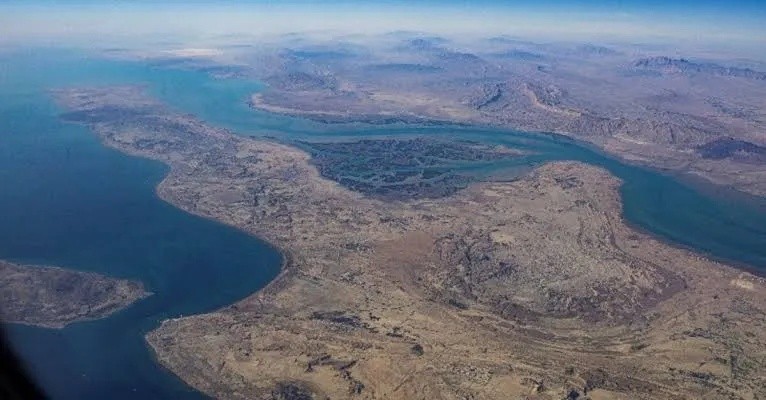
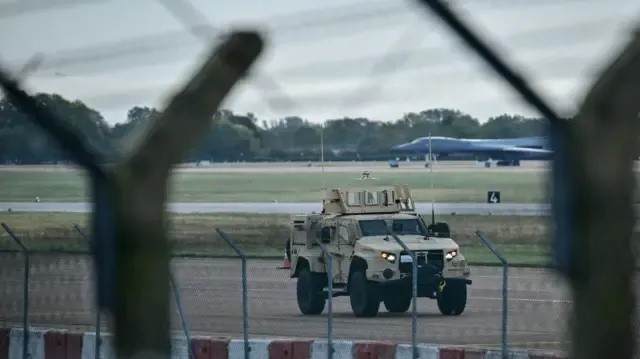
percent, while oil export traffic through the Strait of Hormuz witnesses a path toward gradual recovery despite mutual threats of military operations. This occurs simultaneously with the US administration deploying an additional aircraft carrier to adjacent regional waters, alongside ten
thousand personnel from the Navy and Marine Corps. Imposed blockade measures are undermining the movement of crude oil sales in global markets, parallel to the stumbling diplomatic tracks aimed at calming the atmosphere. The official vision in Tehran does not
intersect with the existence of genuine prospects for concluding a political settlement before the upcoming US midterm elections scheduled for November 3, amid widespread expectations of a high probability of escalating military tension immediately thereafter. The Iranian Islamic Revolutionary Guard
Corps had previously stated, specifically on Friday, its full readiness to execute a harsh and immediate retaliation that causes regret should the country be subjected to any anticipated American or Israeli aggression, as reported by local official media. These field
and political developments come to intertwine with a deep living crisis weighing heavily on Iranian influence in vital waterways like the Strait of Hormuz, where accelerating inflation has clearly eroded citizens' purchasing power. In the same context, the local currency
(the rial) lost about a quarter of its value against the US dollar over the past two months, resulting in noticeable jumps in imported goods prices and doubling living burdens on families and consumers, thus integrating these financial challenges with
the looming fear of military escalation for which the country is preparing according to official estimates.