Ammar al-Hakim, head of the Hikma National Movement, affirmed on Tuesday that the strength of the state is incomplete unless its decision is unified and its weaponry is unified, reiterating his movement's support for the government of Prime Minister Ali
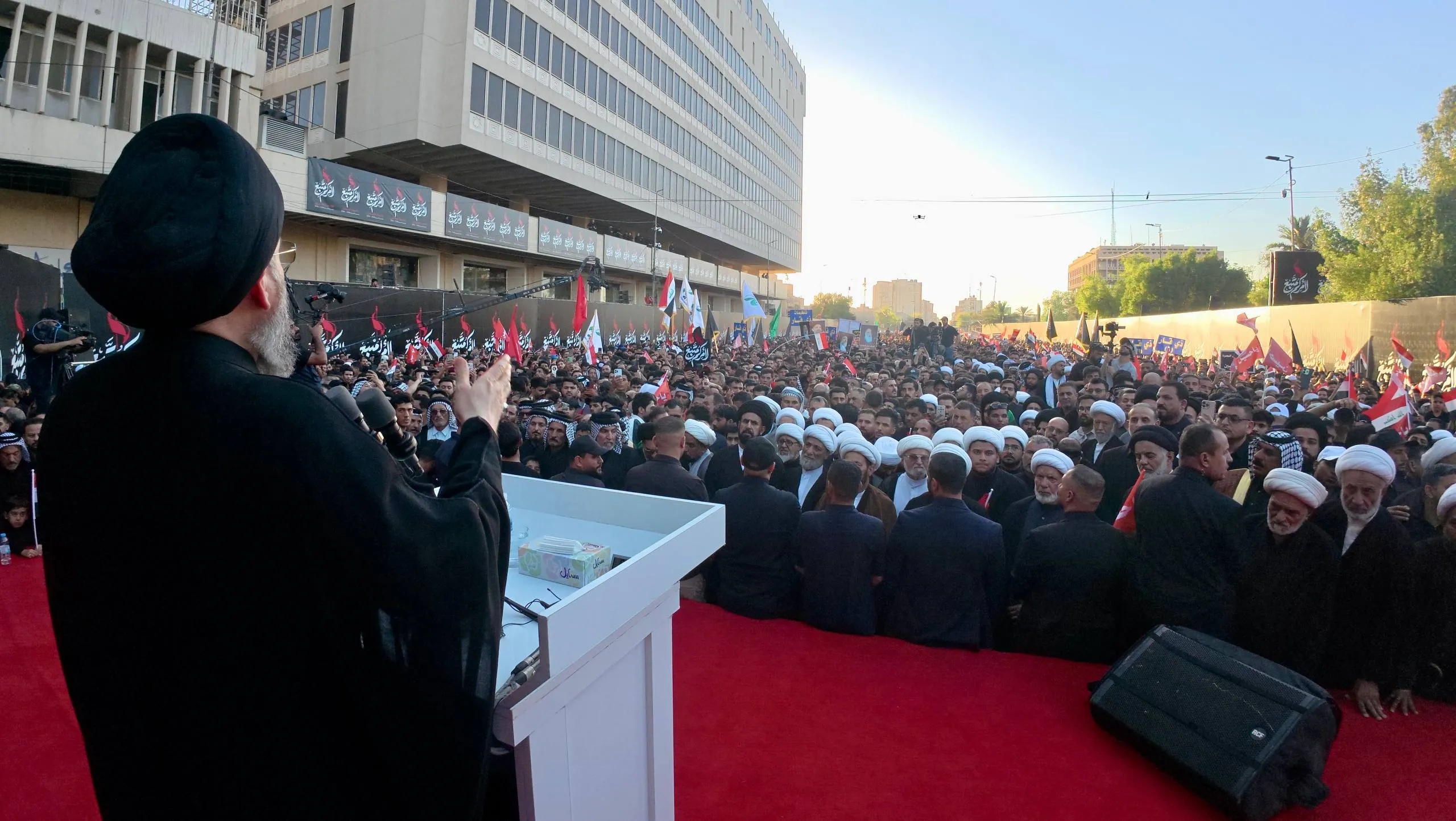
al-Zaidi. In a speech delivered during a Husseini gathering in al-Khalani Square in Baghdad, al-Hakim emphasized that the religious authority has established principles of wisdom in dealing with issues, asserting that dialogue prevails over estrangement, and that building the state is
a national, ethical, and religious trust. He highlighted Iraq's urgent need today to draw inspiration from this approach, which is based on moderation, foresight, and taking responsibility to confront current challenges. Al-Hakim clarified that reform represents a fundamental value needed by
society at all levels, from homes and institutions to societies, countries, and the entire world. Drawing lessons from Imam Hussein (peace be upon him) on steadfastness in stance, not compromising principles in the face of increasing pressures, and dedicated adherence
to the path of truth despite challenges and difficulties. He explained that building a state does not rely on slogans, resonant speeches, or exchanging accusations, but rather requires every citizen, institution, and official to fulfill their national and ethical duties. He
added that the state transcends being mere structures and authorities to become the comprehensive framework that protects rights and dignity, establishes justice, and provides security and stability. He pointed out that the need for a strong, just, and capable state
is directly proportional to the magnitude of the trust, emphasizing the pursuit of a state strong in serving citizens, not strong against them, and a state that instills security, trust, and reassurance rather than fear. From this perspective, al-Hakim asserted
that enhancing the prestige of the state, consolidating the rule of law, and enabling institutions to perform their duties constitute a national duty that cannot be postponed. He considered that the Husseini identity embodies the unifying Iraqi identity with all its
Islamic and human meanings and values, calling for its translation into practical reality and behavior for everyone. He stressed that Iraq today needs more wisdom, dialogue, and national solidarity to prioritize the public interest over private interests, and to make
citizen service the goal of every political, administrative, and social effort, which will not be achieved without genuine national political awareness from all. Al-Hakim underscored the necessity of supporting and strengthening state pathways, reiterating the importance of this support amidst significant
challenges and complex regional circumstances that require national solidarity to achieve tangible results and genuine, rapid reform measures. Al-Hakim renewed full support for Ali al-Zaidi's government, affirming that its success is Iraq's success, and that enabling it to implement its reform,
development, and service program represents a shared national responsibility. He expressed hope that this government would be one of achievement, reform, and development worthy of the aspirations of Iraqis – a government that creates solutions, accumulates achievements, and confronts problems
courageously instead of merely managing or postponing them. He clarified that participation in the government does not represent a political gain, but rather a mandate, duty, and responsibility. Al-Hakim re-emphasized that the strength of the state is incomplete without unifying its
decision and its weaponry, stressing that restricting arms to the state does not target anyone nor diminishes the sacrifices of any party, but rather is a fundamental pillar in building a stable and capable state. He commended all responsible national
stances that showed readiness to respond to this important national path, affirming that wisdom, dialogue, and understanding are the optimal way to address this issue in a manner that preserves sacrifices, enhances state power, and reassures all Iraqis. He considered that
these measures do not imply abandoning state institutions and their military formations, foremost among them the Popular Mobilization Forces (Hashd al-Shaabi), which enjoy legal immunity and utmost national importance. He affirmed that the sacrifices of the people and the blood
of the youth are still engraved in the memory of the members of this blessed formation, and that targeting it or diminishing its value will not be allowed under any circumstances or challenges. Finally, al-Hakim welcomed the understanding announced between Iran
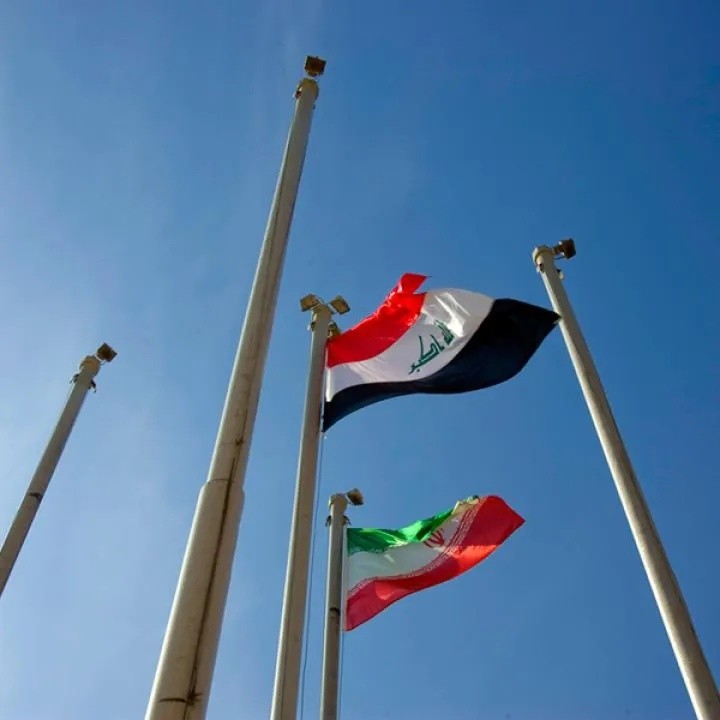
and the United States, describing it as an important step towards de-escalating tension and sparing the region further crises and conflicts that have cost its peoples heavy tolls in terms of security, stability, and development.