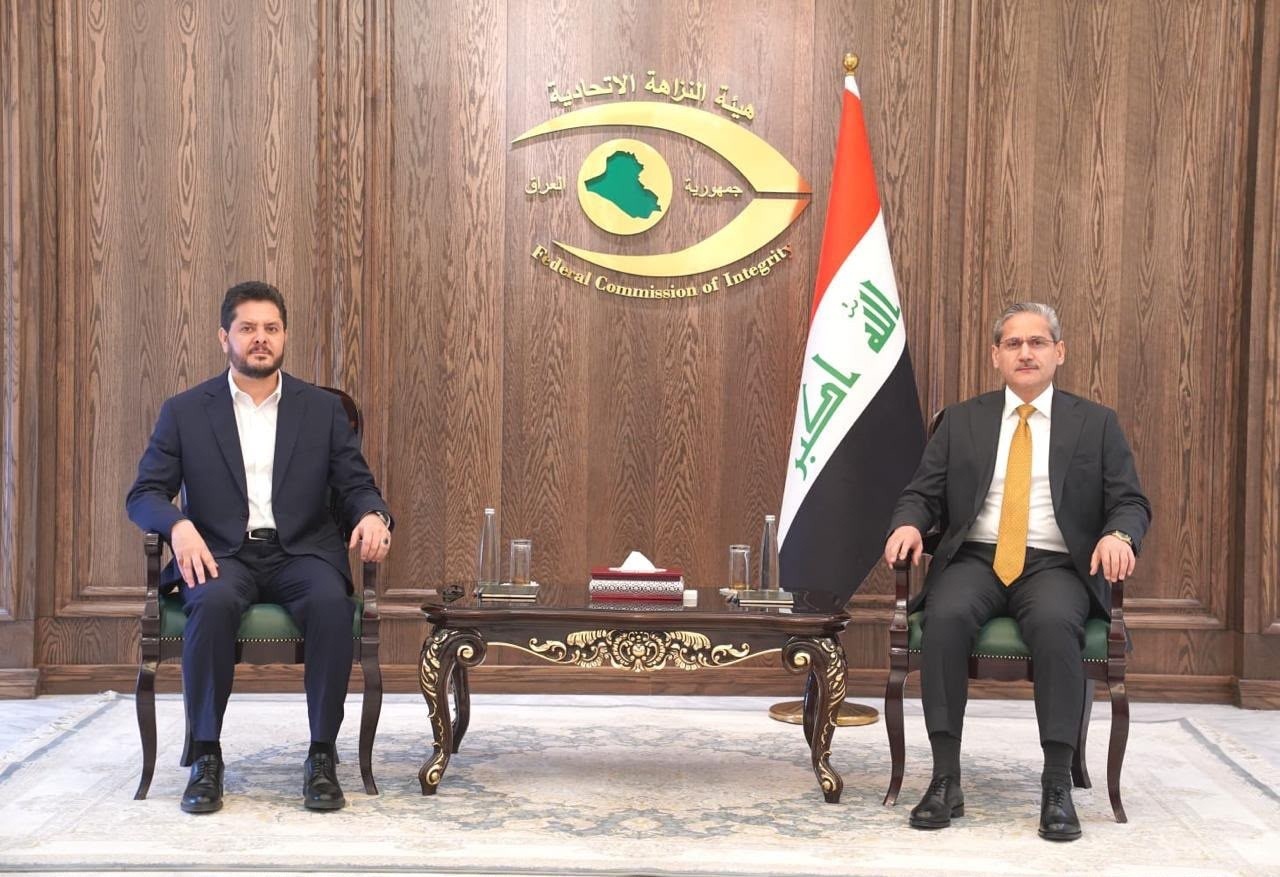
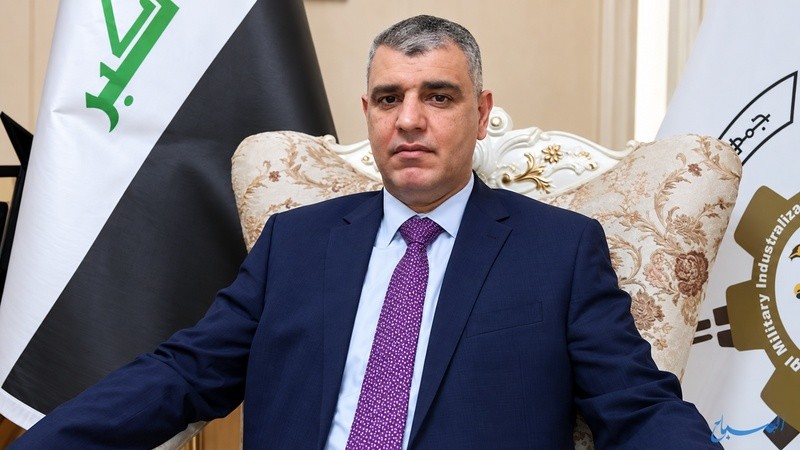
The Minister of Digital Economy and Governance, Mohammed Sahib Al-Darraji, emphasized that the establishment of the Ministry of Digital Economy and Governance responds to a genuine economic need rather than being a political decision or luxury, highlighting that the primary
goal is for the ministry to become the second largest source of financial revenues in Iraq after oil. During his participation in the Digital Economy Stability Forum, Al-Darraji explained that the global conflict and transformations in the new international order
revolve around two main axes: the first concerns global trade routes and commerce shifts towards renewable energy instead of fossil fuels, and the second focuses on what is known as "soft war software," which relies on digitization, governance, and artificial
intelligence. He stressed the necessity for Iraq to be prepared to keep pace with this global shift, whose effects have become evident following the COVID-19 pandemic and the growth of e-commerce, affirming that establishing the ministry was not a political
decision but the result of an economic study lasting over a year and a half. He pointed out that the ministry operates on the principle of converting paper transactions into digital ones, shifting from using technology in state management to
managing the state through technology, which helps reduce waste and simplify procedures. Al-Darraji added that the ministry aims to increase the local product and diversify income sources, considering it a duty—not merely an ambition—for the ministry to become the second
after oil in financial revenues, especially given the global rapid move towards digital economy, e-commerce, and the use of artificial intelligence in resource development. He noted that the volume of e-commerce in Iraq for 2025 is estimated at around five
and a half billion dollars, questioning how much the state benefits from this trade, which mostly occurs through data centers and applications outside the country. He affirmed that the ministry's main objectives are to catch up with global developments, diversify
and increase income sources, and achieve digital sovereignty. He mentioned that the ministry was formed from existing centers comprising scientists, figures, and scientific talents, with employees joining from other ministries without affecting their privileges or entitlements. He stressed that this
ministry represents the future of state management and that the responsibility of leading it lies with him and his colleagues to make it a pioneer in state administration without interfering with the powers of other ministries and agencies as defined
by law. He concluded by stating that the Cabinet's decision is clear and the ministry's tasks are well-defined, making it complementary to the work of other ministries to achieve the integration necessary for the success of the government and the
state.