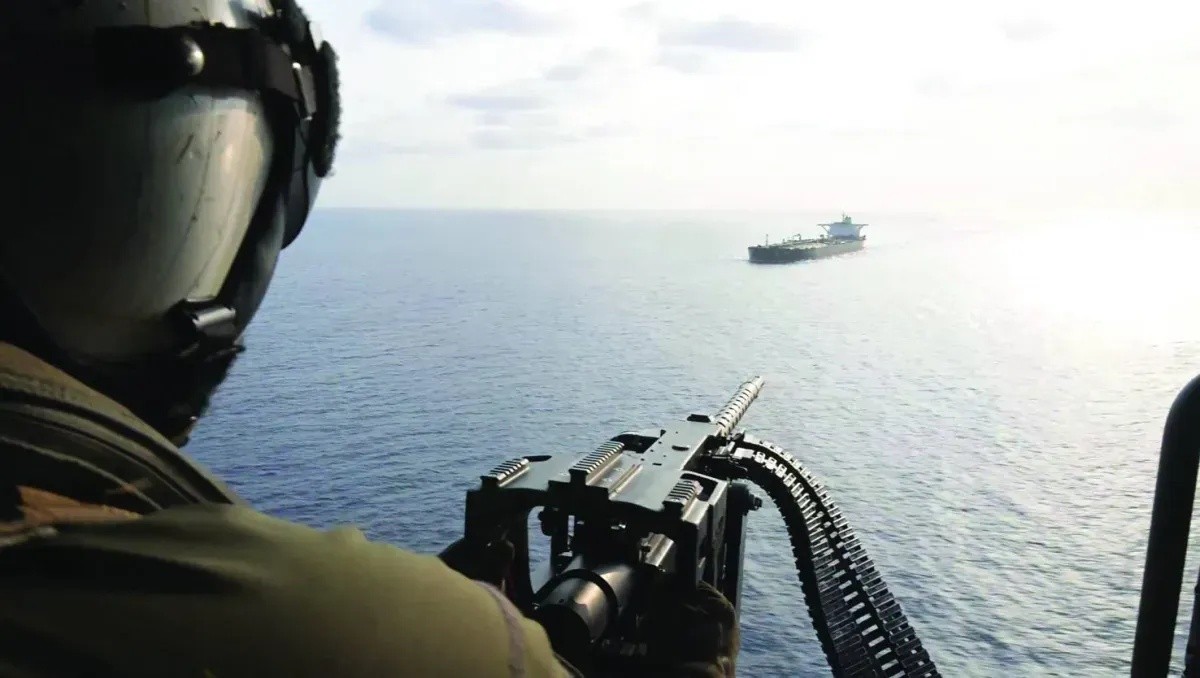
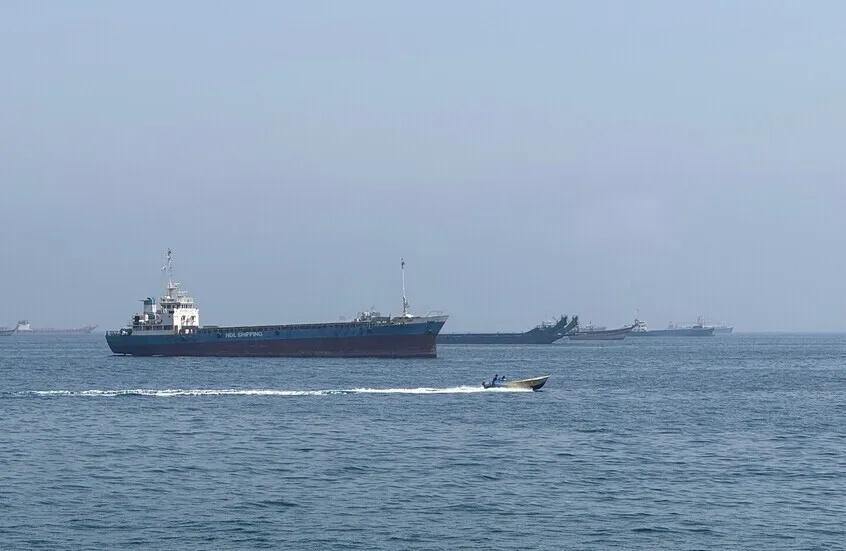
The Financial Times reported that geopolitical conflicts and climate change have led to a significant increase in maritime and river shipping costs, impacting vital navigation routes such as the Panama Canal, the Rhine River, and the Red and Black Seas.
According to Argus, a pricing agency, the impact of conflicts, particularly the near-closure of the Strait of Hormuz, coupled with extended drought periods in Europe and Latin America, has pushed tariffs on major sea and river routes to unprecedented levels.
In the past two weeks, shipping rates for oil tankers heading to the Mediterranean region reached their highest levels in two decades. The cost of shipping a barrel of oil from the Gulf to Asia rose to $15.22, marking the
highest level recorded since 2005. Furthermore, the cost of shipping a standard container from Asia to the US East Coast reached $10,200, an increase of 234% compared to last year. The natural phenomenon of El Niño, characterized by unusually high
tropical Pacific Ocean temperatures, contributed to a decline in water levels in the Panama Canal. This factor, alongside increased demand due to the Strait of Hormuz crisis, pushed the average daily bidding price for canal transit to a record high
of between $1.1 and $2.5 million USD in August, according to the Financial Times. In this context, an analyst from Argus described the current situation as "the biggest disruption in the history of the shipping market, even surpassing the COVID-19
crisis." Another analyst warned that these disruptions have become a "structural problem" poised to continue, implying that elevated costs will be passed on to final consumers through supply chains.