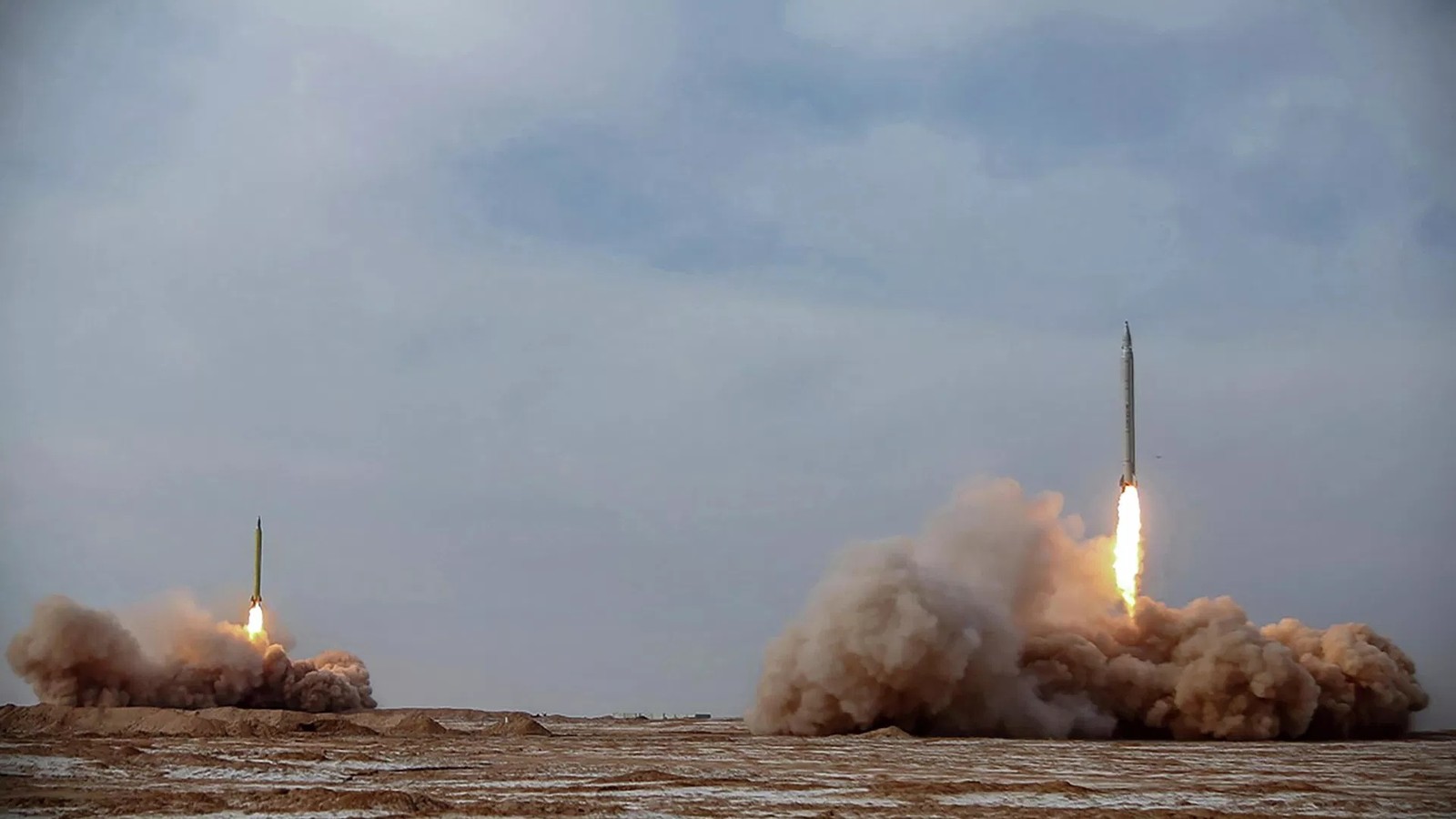
The Iranian Revolutionary Guard announced that it has begun planning operations in new geographic areas over the past few days, anticipating any potential attacks from adversaries, while emphasizing increased readiness of the armed forces to confront any threats. The official
spokesperson for the Revolutionary Guard, Brigadier General Hossein Mohibbi, stated that Iran has achieved significant victories during the war phases and managed to thwart plans aimed at toppling the regime and dividing the country. He explained that the enemy failed
to achieve its objectives in the south of the country and faces difficulties in reopening the Gulf and the Strait of Hormuz, which led it to resort to negotiations and mediation. He confirmed that the war revealed the United States'
inability to guarantee security in the Gulf and the Strait of Hormuz, despite possessing the world's largest naval force and maintaining a military presence in the region for decades. He pointed out that American bases failed to protect themselves and
turned into a security threat to the host countries. Mohibbi highlighted that Iranian forces succeeded in detecting and targeting American intelligence bases, downing an F-35 fighter jet, and capturing the latest U.S. naval technologies, exposing the limits of American military
capabilities. He added that American dominance in military and economic fields is declining, and the war proved that the United States is not immune to defeat. The spokesperson stressed that Iranian armed forces are now more prepared than ever to
respond to any threat, and that confrontations will not be confined to a specific geographic scope. He explained that Tehran seeks to expand the scope of confrontation to achieve comprehensive deterrence, preventing any country from threatening its territory or resources.
He noted that the final phase of Iran's victory involves reaching an advanced level of smart and strong combat readiness, in line with the Supreme Leader's directives during his meeting with senior military commanders. He confirmed that lifting geographic restrictions
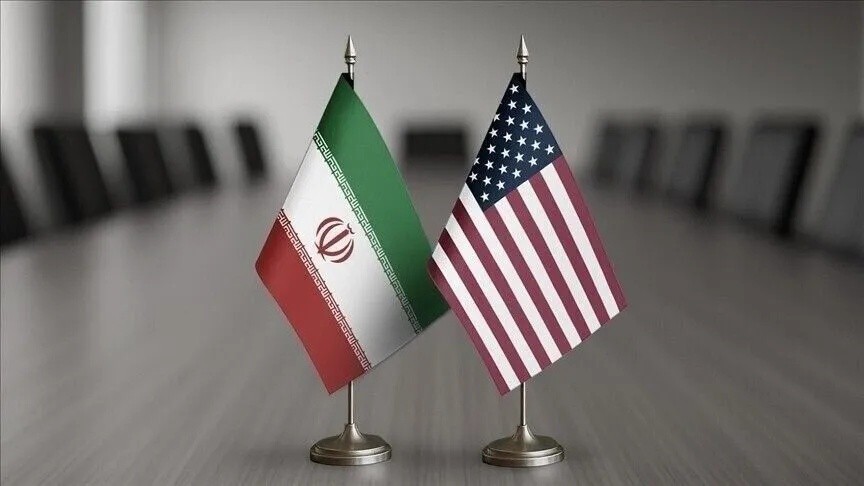
on confrontations allows greater flexibility in planning operations and inflicting damage on the enemy, aiming for full deterrence. In a related context, the United States and Iran signed a memorandum in mid-June to initiate a peace agreement process, but escalating
conflict practically halted navigation through the Strait of Hormuz. Three weeks later, a new escalation occurred, with Washington accusing Tehran of attacking commercial ships in the strait, followed by reciprocal strikes. On August 20, then-U.S. President announced the start of
an economic campaign aimed at unprecedented isolation of Iran, which the Iranian Foreign Minister described as an admission of defeat in the conflict. It is worth noting that the Strait of Hormuz is a vital route for oil, petroleum products,
and liquefied natural gas supplies to global markets, directly impacting fuel prices in many countries worldwide.