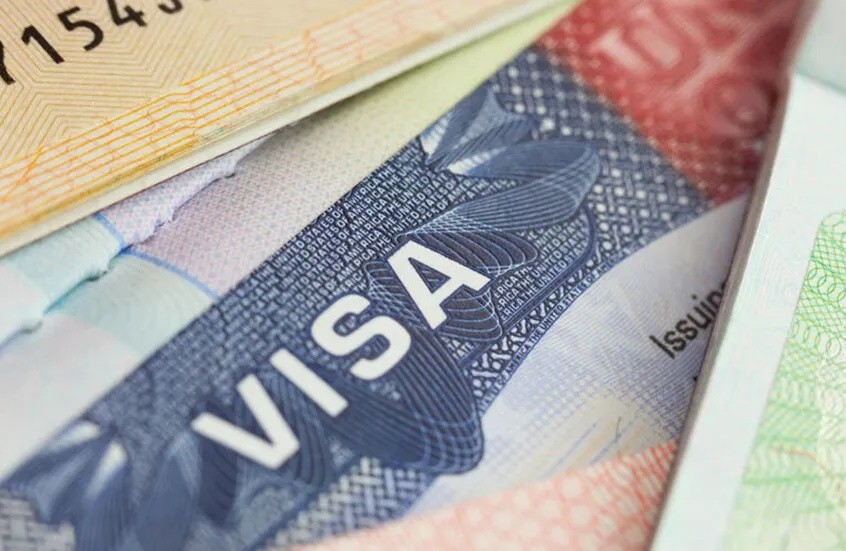
In a stringent move against corruption, the U.S. administration, led by Donald Trump, has revoked the entry visas for 27 officials from Latin American countries, in addition to their family members. This stern decision comes amid corruption allegations and notably
included Bolivia's Attorney General. The officials targeted by these measures hail from Bolivia, Colombia, Ecuador, and Peru – all nations governed by right-wing presidents who maintain friendly relations with the Trump administration. U.S. Secretary of State, Marco Rubio, had visited Colombia,
Ecuador, and Peru earlier this month, where he emphasized his country's steadfast support for these nations' efforts in combating drug trafficking and human trafficking. Leaders of these countries expressed their complaints that many of those affected by the visa revocations were
hindering their determined efforts to combat crime. The U.S. State Department announced this measure last Monday, affirming that it falls within its commitments to defend democratic governance in the Western Hemisphere against the challenges posed by corruption and drug trafficking. An
official statement issued by the Department indicated that "undermining a democratically elected government constitutes a serious threat to security and the rule of law in the Americas, and such practices will not be tolerated." The Trump administration presents this decision as
part of its broader endeavors to combat corruption, especially that related to drug trade and illegal immigration, through the members of the "Shield of the Americas" bloc led by the United States in the Western Hemisphere, which Trump founded this
year. It is noteworthy that the State Department has previously utilized visa denial as a means to curb immigration or as a tool to exert pressure on certain governments, such as preventing the entry of officials from South Africa accused
of discrimination, and refusing to issue visas for the Palestinian delegation to attend the annual United Nations meeting of world leaders.