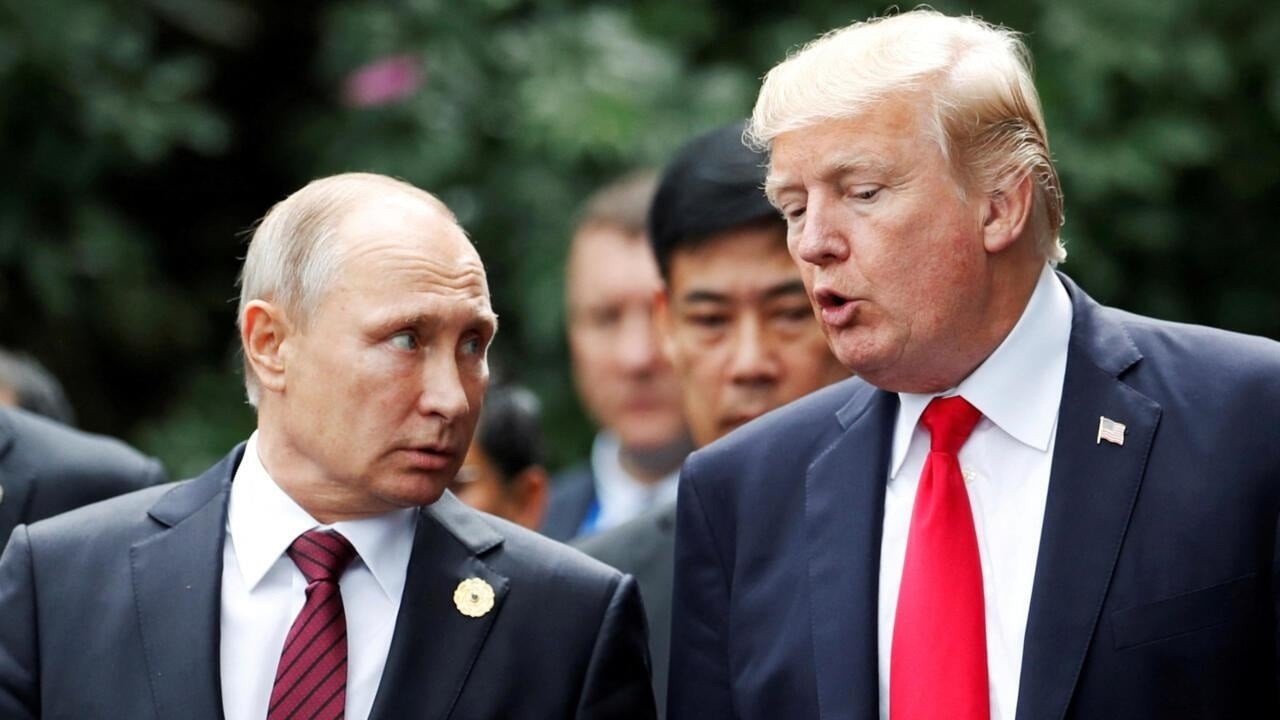
US President Donald Trump issued an executive order suspending a fresh package of sanctions and customs tariffs against Russia, shortly before they were scheduled to take effect under legislation signed last September, asserting that the waiver directly serves US national
interests. In Moscow, the decision was welcomed with clear relief. Kirill Dmitriev, envoy of Russian President Vladimir Putin, described the suspension of the Graham law as a truly historic milestone in bilateral ties, stating on platform X that enforcing the
measure would have virtually terminated all economic cooperation between Washington and Moscow. The suspended legal provisions were designed to intensify pressure on Moscow over its ongoing war in Ukraine, imposing tariffs reaching up to 100 percent on goods imported from
nations that purchase Russian oil and gas, along with sanctions penalizing entities that assist Russia in evading American restrictions. Conversely, the move sparked sharp condemnation in the US Congress, where Democratic Representative Don Beyer criticized the step, accusing Trump of
yielding to Putin and abandoning Ukrainian partners, stressing that the waiver contradicts the legislation's core purpose and represents a gift to the Russian leader. This development unfolds amid warming ties between Trump and Moscow alongside strain with Kyiv, coupled with
fears that new sanctions could drive up oil prices already elevated by the war on Iran.