American researchers successfully performed the third implant of a wireless brain device giving the blind "artificial vision" capability. The procedure occurred at Rush University Medical Center within an ongoing clinical study testing the "Intracortical Visual Prosthesis" (ICVP) system, which bypasses
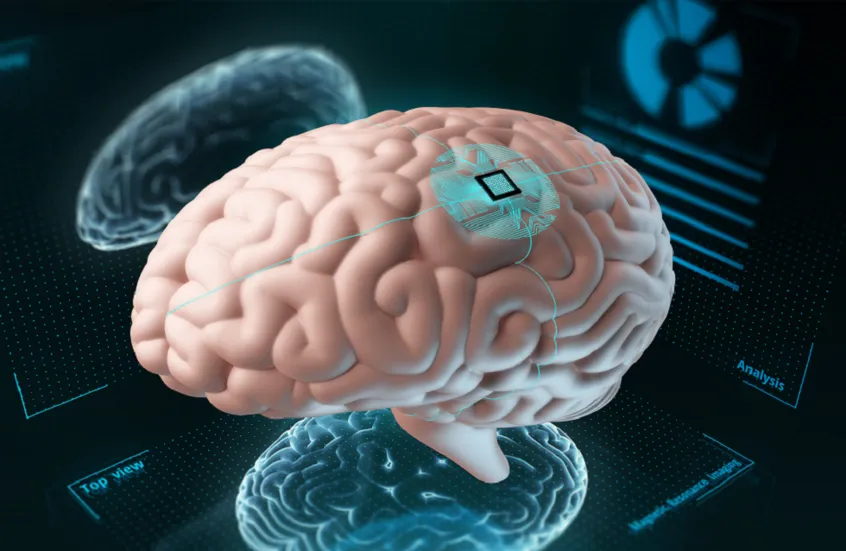
the eye and optic nerve to stimulate the brain's visual cortex directly. The system works through small wireless stimulators implanted in the brain, each containing electrodes sending precise pulses helping the brain form artificial vision patterns. In the latest surgery,
researchers implanted 34 stimulators with 544 electrodes in a blind participant. Researchers hope this technology will eventually help users navigate and interact with their environment after specialized training to interpret resulting visual signals. After a four-week recovery, the participant will
start training sessions at The Chicago Lighthouse's Hilton Center for Prosthetic Research, where researchers will assess the brain's ability to convert electrical signals into usable visual perception. Dr. Sepehr Sani, the surgeon, stated the third successful implant is a significant
step toward effective treatment for severe vision loss, noting that repeated success confirms system reliability and clinical potential. Philip R. Troyk, lead researcher and Pritzker Institute Executive Director, explained the project reflects neurotechnology's potential, turning years of research into practical
applications improving patients' lives. Janet P. Szlyk, Chicago Lighthouse CEO, emphasized that even limited light perception could make a massive difference for the blind, considering study results could open doors for revolutionary vision restoration. Monitoring will continue for one to
three years to assess long-term safety and usability, while the team continues recruiting volunteers who lost vision in adulthood after having normal childhood sight.