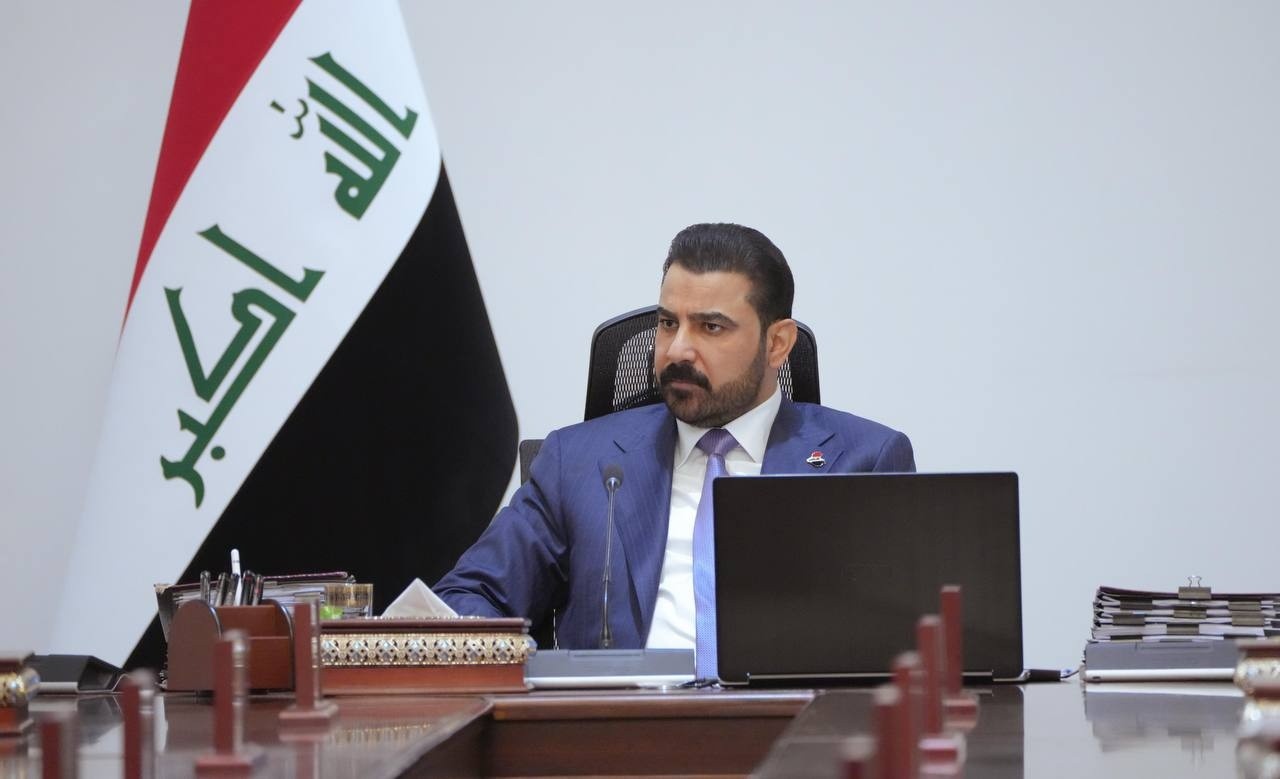
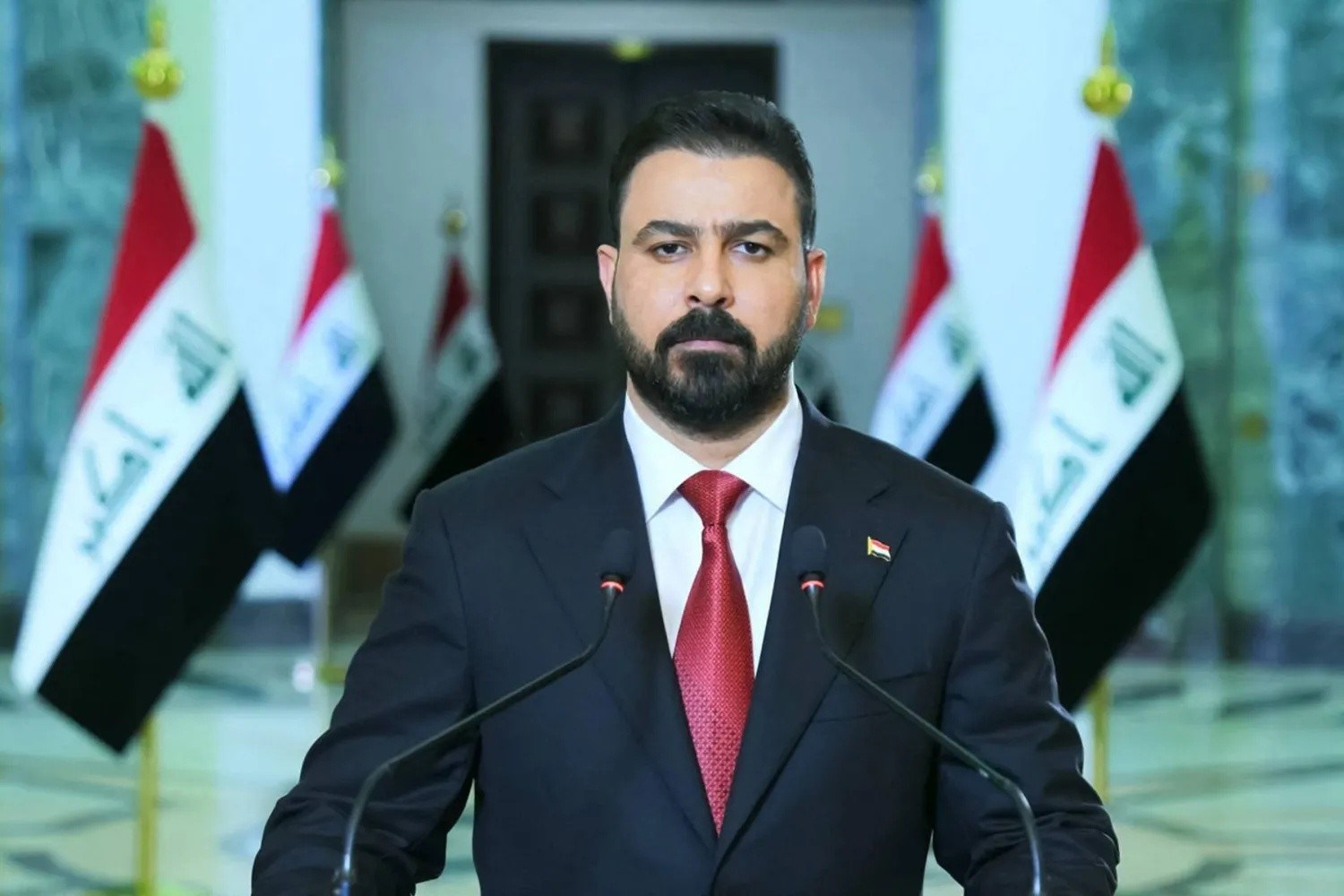
Prime Minister Ali Falih Al-Zaidi affirmed that the government has made significant progress over the past five months on several critical issues, including preventing Iraq from falling into international isolation, combating corruption, and centralizing arms under state control. He revealed
that agreements have been reached with five factions to complete the disarmament process, alongside economic plans that include distributing one million free residential land plots, establishing new cities, increasing non-oil revenues, developing the energy sector, and strengthening Iraq's foreign relations.
He pointed out that Iraq was on the verge of international isolation before the government took office, a situation successfully averted, which helped avoid delays in development and disruptions to the people's needs. He confirmed that efforts to fight corruption
have been effective, with a new mechanism implemented requiring contracts to undergo prior audit by the Financial Control Bureau instead of post-factum review, thereby reducing opportunities for corruption and preventing its occurrence. Regarding the centralization of weapons, he disclosed major
achievements within less than five months, having reached agreements with five factions, completing arrangements with three and working to finalize with two others. He stressed that Iraq will soon be a state free of armed factions, with weapons exclusively held
by the security forces. He explained that the presence of foreign troops was the justification for carrying weapons outside state authority, but with their departure, this justification no longer exists. The government has also held talks with Turkey about the
withdrawal of its forces, emphasizing that arms control by security forces is a final decision with no retreat. On foreign military presence, he mentioned direct discussions with the US and Turkey to shift relations from military to economic cooperation, confirming
the official departure of US forces and the absence of any American soldiers in Iraq currently. He added that understandings with the Sinjar Protection Units include handing over Mount Sinjar and integrating their members into popular mobilization forces. In regional
relations, he stated that Iraq will not participate in any war and aims to be a meeting point for different parties, continuing efforts to calm tensions and extinguish crises. He noted that closing the Iraq-Iran border is not in the
interest of either country, and air traffic with Iran continues amid mutual demands. He highlighted the importance of enhancing Iraq's relations with Gulf and Arab countries, noting his recent visit to Saudi Arabia was planned in advance to promote cooperation
and regional security. Regarding anti-corruption, he emphasized it as the foundation of the government’s project, with practical and ethical measures taken to reinforce commitment and responsibility, including government members taking an oath of honor and inviting other officials to do
the same. He acknowledged that corruption has become a systemic culture for some, making its confrontation a complex challenge. He clarified that accusations are not generalized, recognizing honest officials serving the state, and stressed that corruption is not linked to
sect or ethnicity. Some politicians, despite disagreements, unite in anti-corruption efforts. On anti-corruption mechanisms, he explained that oversight bodies audit information and gather evidence before referring cases to the judiciary for legal action, affirming no favoritism in this matter. Economically,
he stated that the decision to adjust the dollar exchange rate was to address a severe financial crisis, with difficult measures necessary to protect the financial situation. He noted that the previous reduction in exchange rate was a mistake. He
mentioned efforts to increase the cash dollar inflows to Iraq to narrow the gap between official and parallel market rates, acknowledging US concerns about funds potentially reaching factions, but affirmed the government continually clarifies the internal reality. The government aims
to raise dollar inflows to two and a half billion dollars to meet market needs, hoping to close the price gap soon. Regarding the impact of the exchange rate increase, he said it could support local industry and agriculture by
enhancing the competitiveness of Iraqi products, especially as neighboring countries flood the Iraqi market with surplus goods. On new cities, he revealed plans to build modern cities across provinces based on local governments’ identification of suitable lands, featuring advanced designs.
The one million free land plots project targets families without homes, providing plots fully equipped with infrastructure and essential services, enabling residents to build without delay. He confirmed that new cities will be investment projects with units and lands sold,
unlike the free plots allocated to eligible citizens. He concluded by emphasizing the government’s quiet and serious efforts to achieve tangible results in various areas, with citizens expected to notice improvements in the near future.