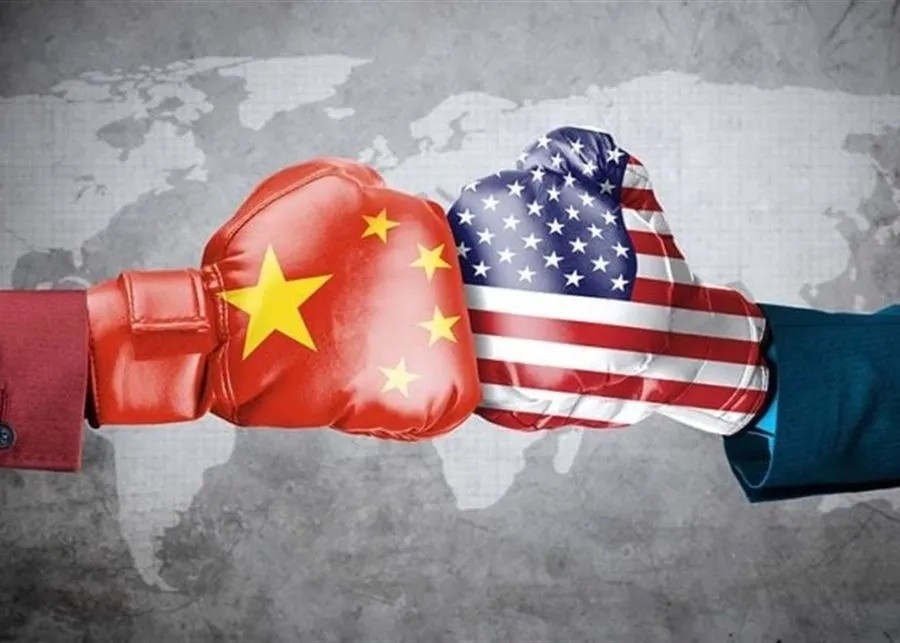
China has issued a warning to the United States regarding the potential cancellation of the upcoming summit between Presidents Xi Jinping and Donald Trump, should Washington proceed with new arms deals for Taiwan, according to informed sources who spoke to
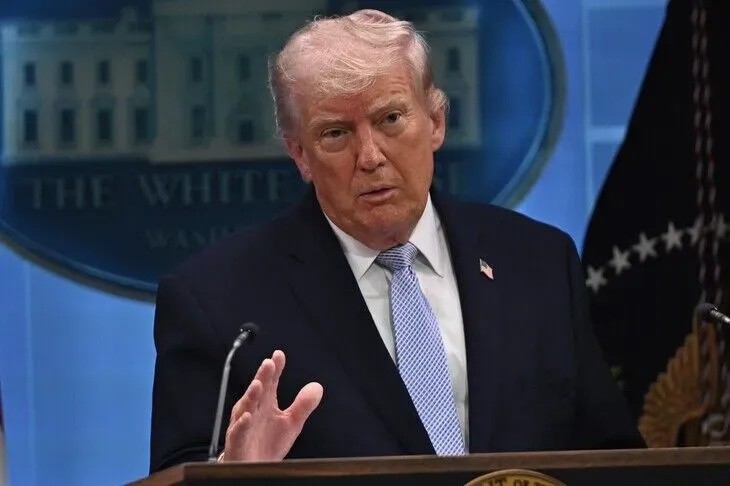
The Telegraph. The White House was scheduled to host Chinese President Xi Jinping on September 24 for a meeting with President Donald Trump, marking their third direct encounter within a year. This summit holds immense importance for President Trump, particularly with
the midterm congressional elections approaching in November and his approval ratings declining. The White House hopes the meeting will help bolster his political image. Coinciding with summit preparations, Beijing reiterated that the issue of Taiwan constitutes a "red line" in bilateral
relations, as reported by multiple sources to Japan's Kyodo News agency. The Trump administration had announced an unprecedented $11 billion arms sales package to Taiwan last December, which angered Beijing, viewing the self-governing island as an integral part of its
territory. In May, the United States suspended another $14 billion arms deal for Taiwan, stating the aim was to ensure sufficient weapons availability for its needs during the conflict with Iran. Sources indicated that the Chinese government threatened to cancel this
month's bilateral meeting if Washington approves any new arms sales to Taiwan, which would represent a major political embarrassment for President Trump, especially ahead of the midterm elections. China is intensifying its military activities in the Taiwan Strait and surrounding areas.
In July, Beijing conducted its first intercontinental ballistic missile test over the Pacific Ocean since 2024, raising renewed concerns about a potential military confrontation over the island. Xi had previously warned his American counterpart that Taiwan is "the most important
issue" in the relations between the two countries, cautioning that mishandling it could lead to conflict. Despite escalating disagreements, both sides appear keen to avoid decisions that could jeopardize their existing trade truce. During his visit to Beijing in May, President
Trump stated that US arms sales to Taiwan could serve as "a very good negotiating chip" in his dealings with China. The US bases its military sales to Taiwan on the "Taiwan Relations Act," passed by Congress after Washington cut
diplomatic ties with Taipei and shifted its recognition to Beijing in 1979. This legal framework stipulates providing Taiwan with sufficient weaponry to maintain its self-defense capabilities. Nevertheless, during Trump's second administration, skepticism persisted within Taiwan regarding Washington's commitment to supporting its
defenses against China. The Iran crisis is also expected to be another key agenda item for the anticipated summit, especially after it deepened tensions between the two major powers. China is by far Iran's largest trading partner, making Beijing vulnerable
to stringent US sanctions imposed on companies and entities dealing with Tehran. In another development, US officials told The Wall Street Journal on Friday that Iran relied on satellite imagery taken by Chinese satellites to carry out a July strike that
resulted in the deaths of three American soldiers. Officials stated that this development provides the clearest evidence yet that China's support for its ally Iran during the ongoing conflict has had deadly repercussions for US forces. China has consistently rejected
US warnings regarding Chinese companies providing high-resolution satellite imagery to Iran. As of now, the Chinese government has not officially announced details concerning President Xi Jinping's anticipated visit to the United States.