The Director General of the Russian institution Rosatom, Alexey Likhachov, revealed that the institution faced several challenges during the implementation of the El-Dabaa nuclear power plant project in Egypt, including the COVID-19 pandemic, sanctions, and what he described as deliberate
sabotage. Likhachov stated during the Russia-Africa summit held in Moscow that the project was targeted by deliberate damaging acts by some countries, emphasizing the need to be prepared for the most unexpected difficulties. He added that the institution, in cooperation
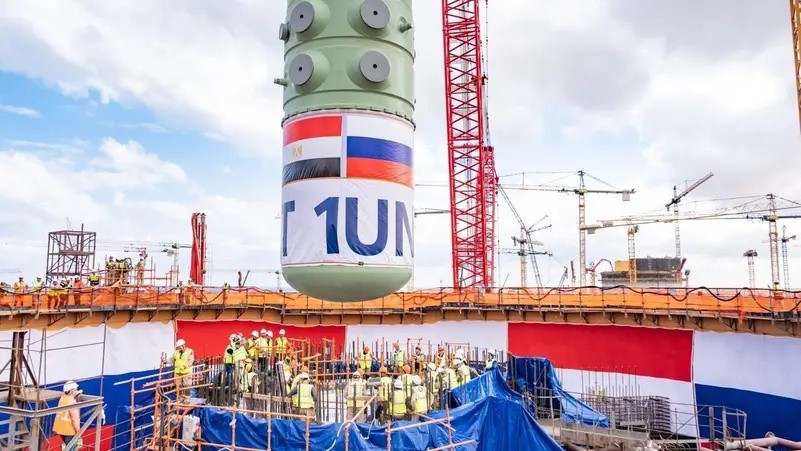
with the Egyptian government, managed to overcome all these challenges, without specifying the nature of the sabotage or naming the countries involved. In response to reports raising concerns about safety procedures during the installation of the reactor pressure vessel for
the plant’s second unit, the Egyptian Nuclear Power Plants Authority affirmed its commitment to the highest standards of quality and nuclear safety at all stages of the project. The authority clarified that the published reports were based on inaccurate conclusions
drawn from footage of a ceremonial event, which do not reflect the technical and operational procedures carried out during the installation. Previous reports had mentioned possible accusations related to failures in safety, security, and engineering aspects of the project, noting
that the technology used is similar to that employed in another nuclear plant in Hungary. Conversely, the Russian company confirmed its strict adherence to the highest levels of nuclear safety throughout the construction phases. It is noteworthy that the El-Dabaa
plant is Egypt’s first nuclear power facility, located in the city of El-Dabaa in Matrouh Governorate on the Mediterranean coast, approximately 300 kilometers northwest of Cairo. The project involves constructing four nuclear power units, each with a capacity of 1200
megawatts, under contracts that came into effect in December 2017. The Russian role includes not only building the plant but also supplying nuclear fuel throughout its operational life, training Egyptian personnel, and providing operation and maintenance services during the first
ten years of the plant’s operation.