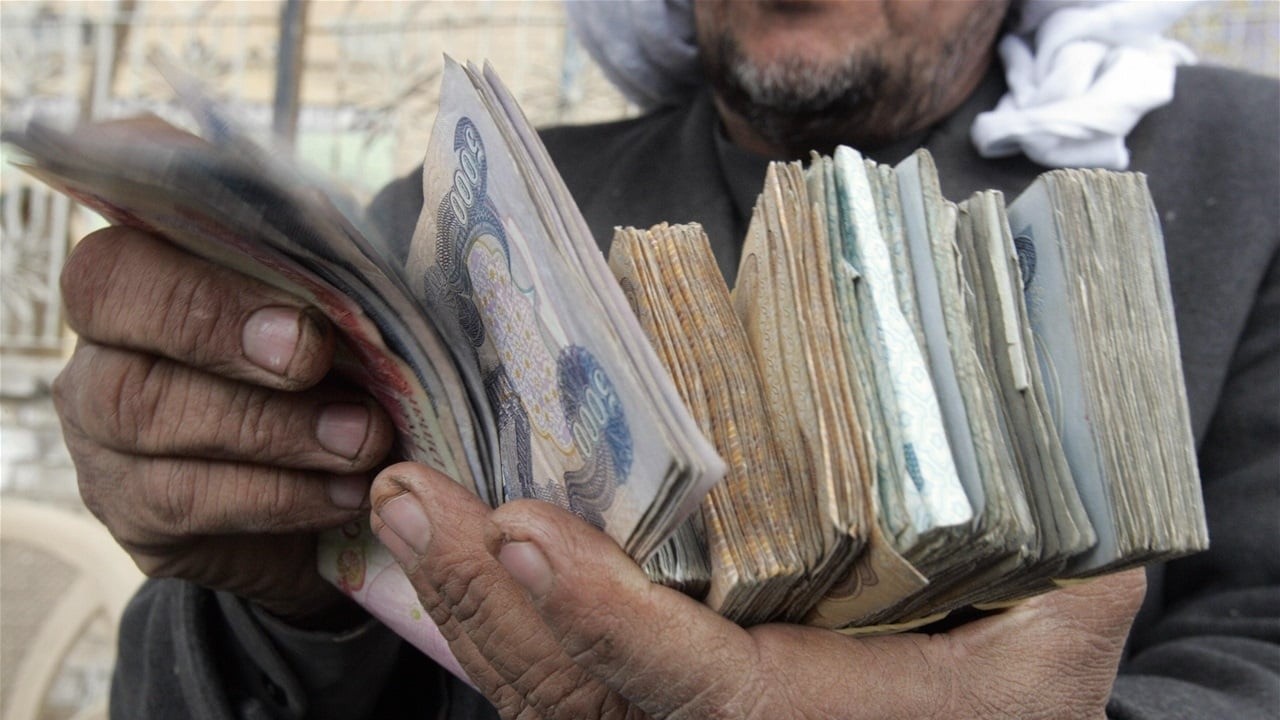

The Central Bank provided detailed explanations on Wednesday regarding the background and implications of its decision to adjust the exchange rate of the dollar against the local dinar, drawing attention to the fact that the demand for foreign currency in
parallel markets is often linked to attempts to bring in goods and commodities outside established customs frameworks and regulations. In a related context, the director of the bank's media office, Haider Ghazi, noted during statements to an official media platform
that the critical exceptional circumstances the country is going through, represented by the closure of the Strait of Hormuz and the decline in oil exports resulting in a scarcity of financial revenues, prompted the government to seriously consider remedies. Previously,
the government relied on discounting remittances, which accumulated debts on the state, leading to what he described as a critical "surgical operation" to save the financial and political entity through emergency precautionary measures ensuring the sustainability of the financial side
and securing the financing requirements of the general budget. The official emphasized that the decision was made swiftly, comparing it to swallowing bitter medicine, while acknowledging at the same time the existence of repercussions and side effects resulting from this
measure, yet they remain, according to his assessment, much less harmful compared to continuing on the previous approach and its potential catastrophic consequences for the national economy. Regarding the industrial sector, the spokesman clarified that the national industry sector had
remained stagnant throughout previous periods due to competition from cheaper imported goods, and it is hoped that the current direction will contribute to revitalizing local production and pushing the wheels of industry inside the country, especially since the cost of
bringing raw materials or external goods will become high, enhancing the opportunity to rely on the national product against imported goods from abroad. As for the noticeable disparity between the official rate and the prices prevailing in the parallel market,
the spokesman attributed this difference to the nature of commercial activities, both legitimate and illegitimate, explaining that those heading to buy dollars from outside official channels intend to import goods that evade customs duties and taxes and are not subject
to quality inspections. This explains the demand for the parallel market despite its high prices to obtain goods outside official contexts, stressing in this context that government agencies continue their earnest efforts to tighten control over border crossings and subject
all goods imported into the country to careful inspection. He concluded by indicating that the legislative institution is following this file with interest and will proceed towards holding anticipated hosting sessions for both the Central Bank Governor and the Minister
of Finance to discuss developments.