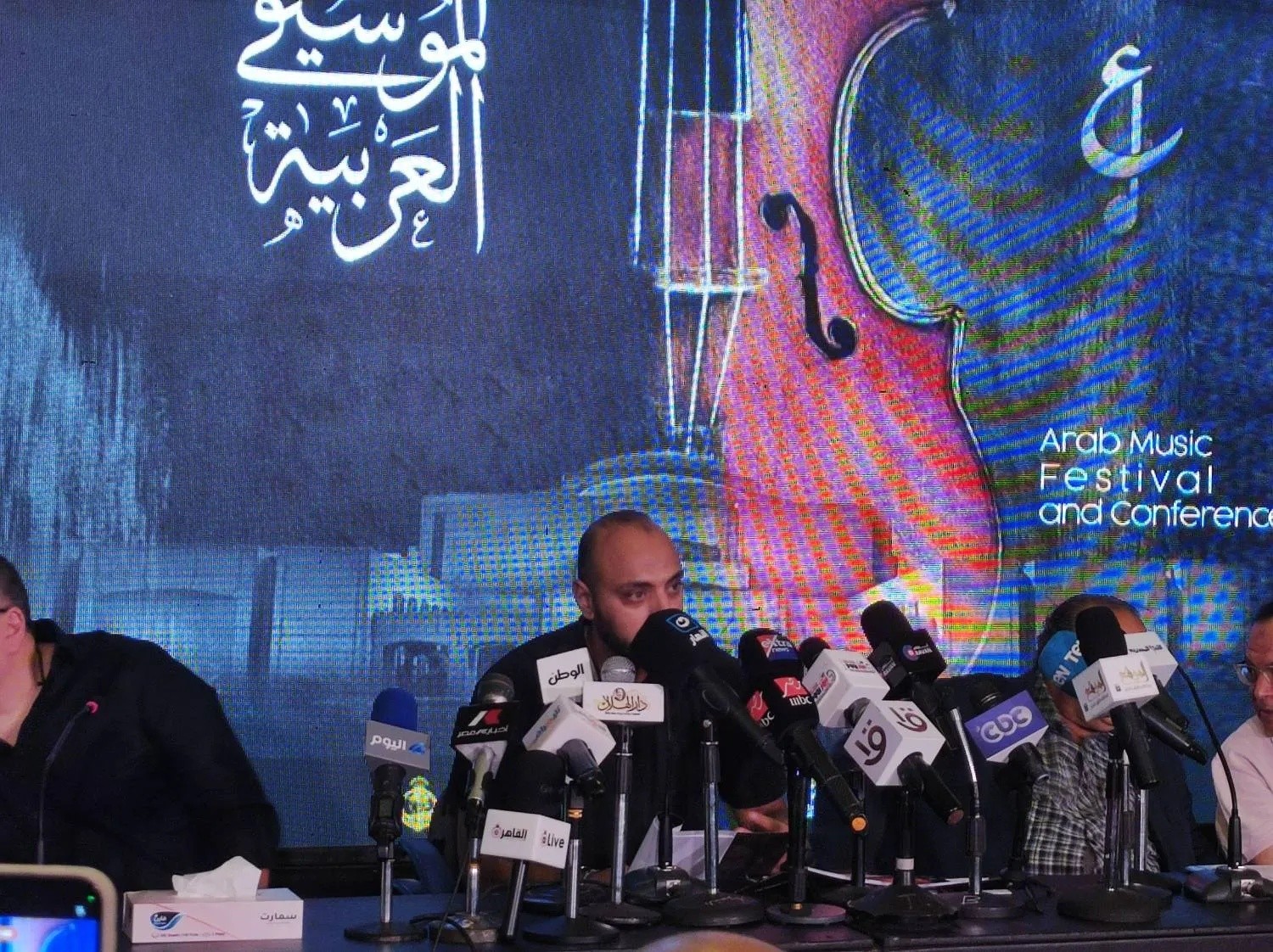
The thirty-fourth edition of the Arab Music Festival, scheduled to be held in Cairo from October 20 to 30, has encountered a wave of artistic challenges culminating in the resignation of the head of the Egyptian Opera House. These crises
erupted following a press conference led by Opera chief Reda El-Wekil, where he unveiled the festival's details and pointed out financial hurdles, most notably a tight budget. Shortly after, veteran singer Mohamed Tharwat announced his withdrawal from the current edition—despite
it being dedicated to his late friend Hani Shaker—citing his rejection of practices undermining Egyptian artists. Hours later, prominent singer Ali El-Haggar followed suit, apologizing for missing the event for the first time since its inception due to what he
termed inadequate financial compensation for his backing band, a matter he claimed was omitted during the press conference. Further compounding the situation, several other artists including Mei Farouk, Ahmed Saad, and Mohamed Mohsen also stepped back, forcing organizers to urgently
seek alternatives. Faced with mounting pressure, El-Wekil announced his departure via a public statement, emphasizing his refusal to let others dictate his artistic choices or spark friction among peers. The Arab Music Festival stands as one of the premier musical
gatherings in the region, having historically hosted a constellation of Arab vocal giants such as Majida El Roumi, Asala, Saber Rebai, Wael Jassar, and Assi El Hallani, among others.