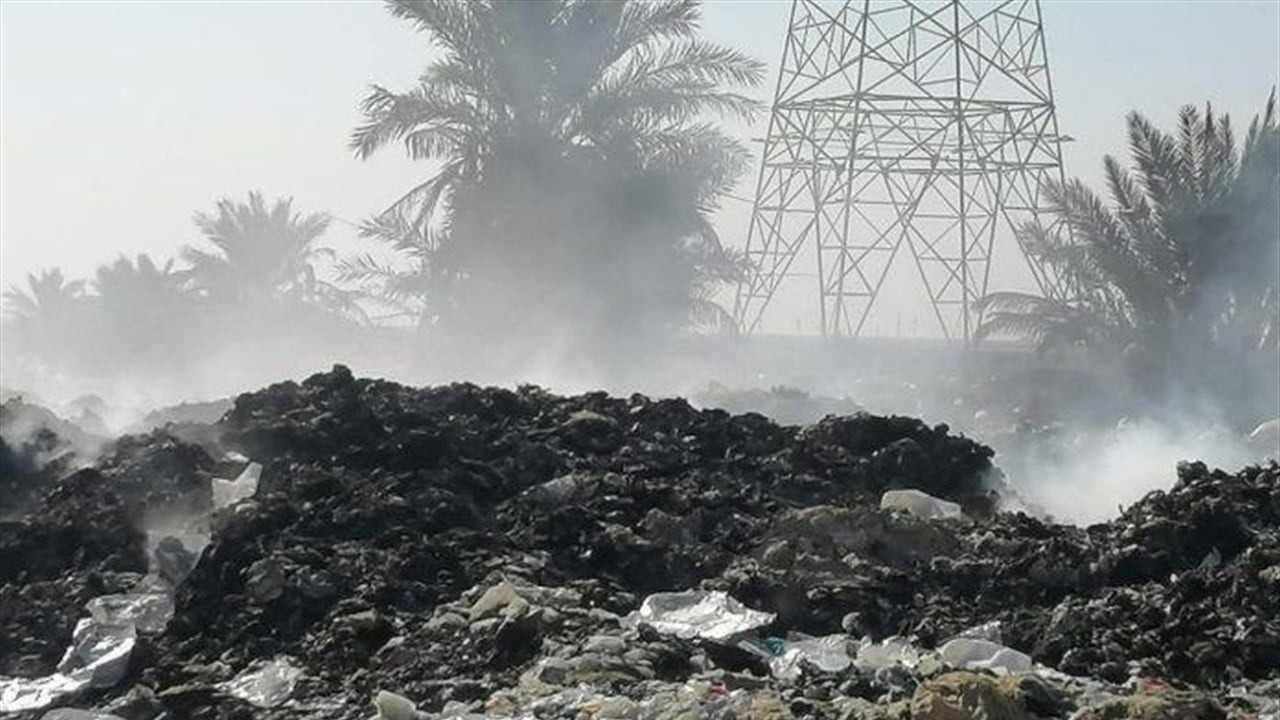
Baghdad ranked atop the list of the world's most polluted major cities on Saturday, according to live global tracking data from the IQAir platform. Singapore followed closely in second position, while the Malaysian capital Kuala Lumpur was placed third, with
all three urban centers recording air quality readings categorized as very hazardous. This development coincided with the Singapore-based ASEAN Specialised Meteorological Centre raising its regional alert to Level 3, the highest classification, across the southern ASEAN territory. The emergency measure
follows severe, toxic smog generated by persistent land and forest fires in Indonesia, which have blanketed extensive portions of Southeast Asia. The climate monitoring body employs a four-tiered warning system running from zero to 3, activating its top tier whenever
there is a critical danger of severe transboundary haze affecting the area. Such a declaration requires detecting active and enduring fire hotspots, combined with moderate to dense smog persisting for two consecutive days or more, alongside dry weather conditions and
wind currents driving smoke toward neighboring ASEAN member countries. The current advisory was issued on Friday, following two similar alerts released earlier this year on March 27 and August 26. The recurring pollution over recent months has prompted a steep
escalation in respiratory health problems and forced widespread school closures across Indonesia, Malaysia, Singapore, and Timor-Leste. Meanwhile, the Singaporean government stated Friday that it will issue formal warnings to seven Indonesian companies identified as responsible for the blazes, cautioning that
worse conditions might still lie ahead. Furthermore, a spokesperson for the Philippine foreign ministry confirmed that the transboundary haze crisis will be deliberated during forthcoming diplomatic discussions leading up to the ASEAN summit scheduled for November in Manila.