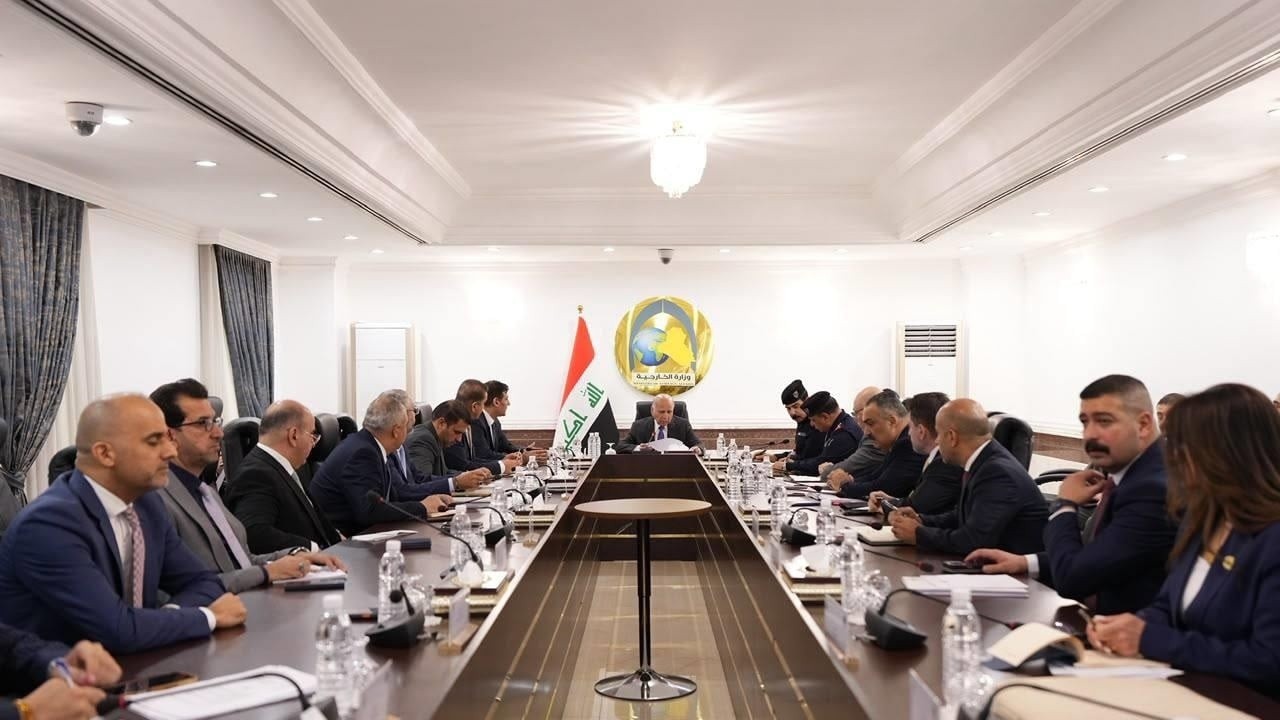
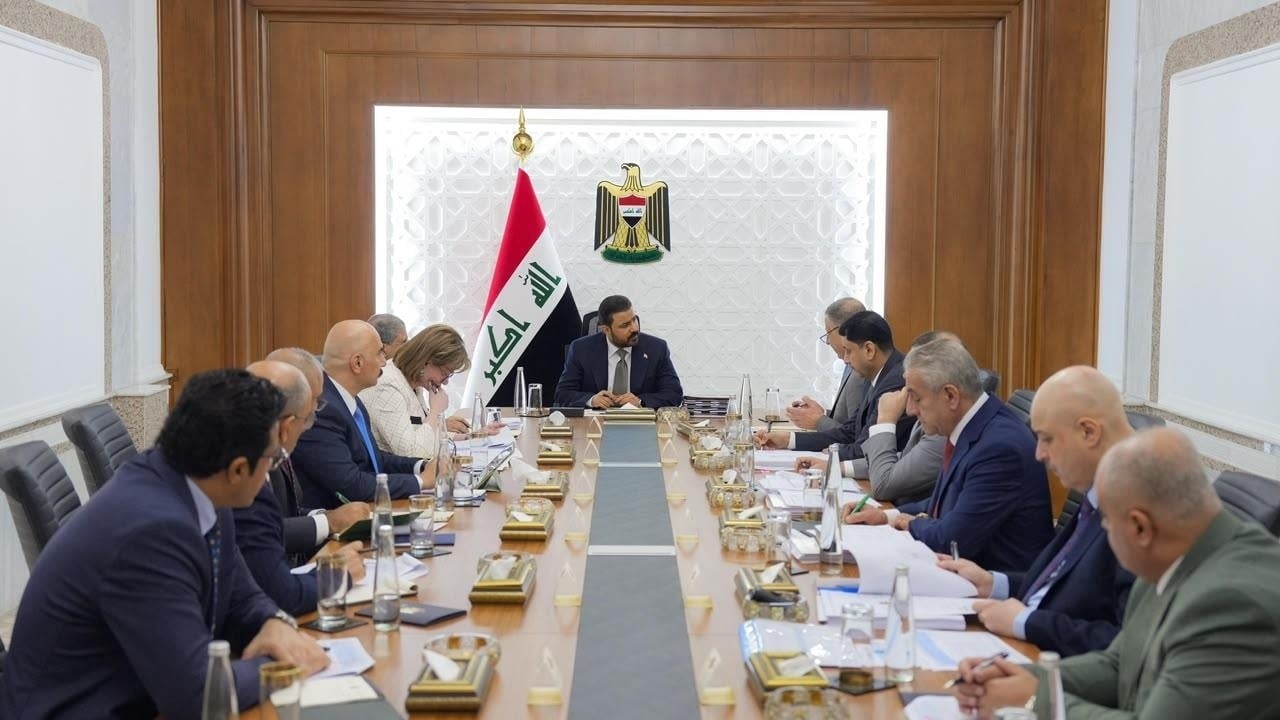
The Supreme National Water Committee held its regular session on Monday evening, resulting in a series of regulatory decisions aimed at addressing current water challenges across the country. Official statements indicated that Prime Minister Ali Faleh Al-Zaidi chaired the first
regular session of the committee for the year 2026, with the participation of a group of ministers, advisors, and officials concerned with this vital file. The agenda included a field and technical review of the water levels in reservoirs and
dams, alongside an evaluation of precautionary measures taken to manage rainfall and flood waves, and ways to optimize water storage management in line with urgent national requirements. Practical directives emerged from the discussions, most notably imposing strict remedies and taking
direct legal action against entities causing pollution in the Diyala River. In the same context, it was decided to include a comprehensive inspection and evaluation project for dams within the investment plans of the Ministry of Water Resources, allocating the
necessary financial appropriations considering this file a top priority. The decisions also included adjusting the status of daily wage workers at the Mosul Dam and converting them to formal contracts, to meet urgent work needs within ongoing reinforcement and treatment
projects for the dam's foundations. Furthermore, an agreement was reached to establish a central committee led by the Ministry of Water Resources with the membership of relevant sectoral bodies, aiming to reduce administrative bureaucracy and resolve potential intersections between water
harvesting dam projects and other service plans. Recommendations issued by the national team concerned with protecting the Tigris and Euphrates rivers were also approved, placing the initiative under the direct supervision of the High Committee to ensure implementation effectiveness. The
meetings concluded with the adoption of simplified mechanisms to register river protection projects in the investment budget, securing necessary funding for the first phase of strategic programs, and obligating ministries and governorates to address pollution sources and install necessary treatment
plants. The Ministry of Environment will undertake monitoring tasks and document violations, supported by civil society efforts to spread environmental awareness and protect water resources.