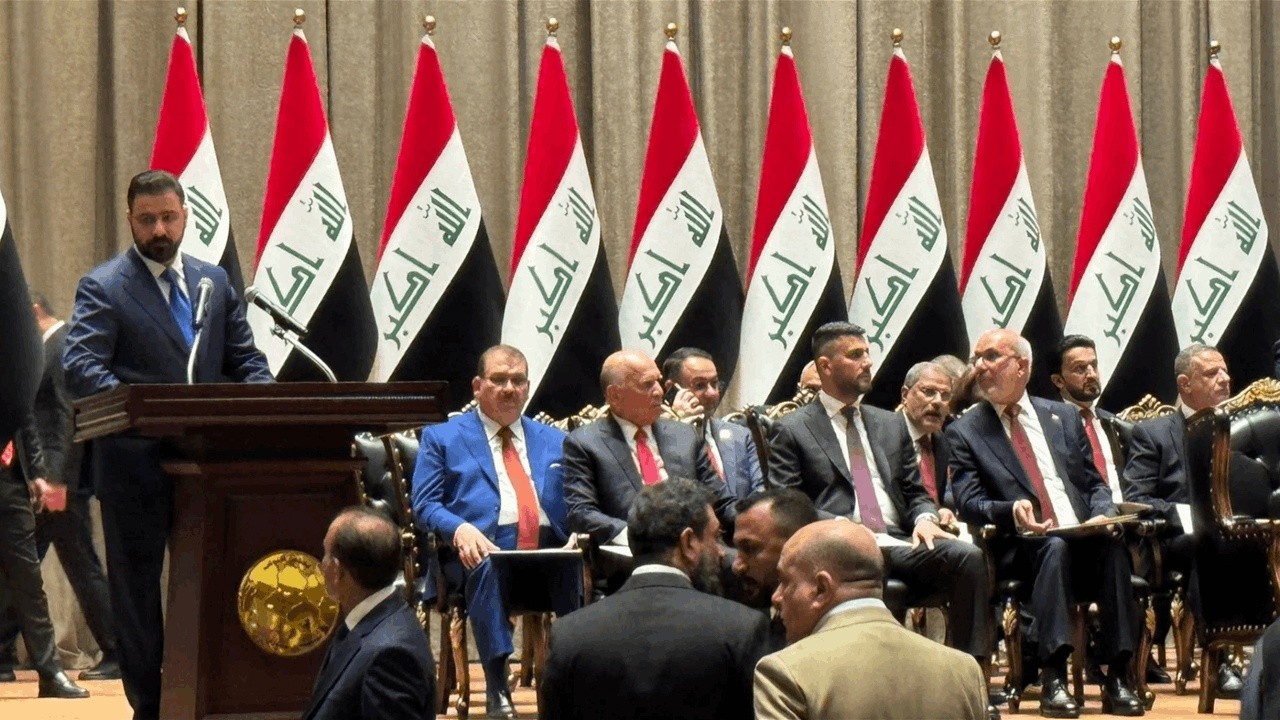
Meetings and consultations between various political parties continue with the aim of ending the file of government vacancies, amid parliamentary indications confirming the approaching date of resolving the pending ministerial portfolios, despite the continued discussions regarding the candidates for the
ministries of planning, defense, and culture. In the same context, the ongoing understandings contribute to smoothing many of the obstacles that previously faced negotiations, while members of parliament emphasize the need to accelerate the pace of government formation to ensure
political stability and enable institutions to perform their duties in accordance with the government program, while specialists call for elevating the public interest and adopting standards of competence and experience. MP Badr Al-Fahal explained that the path of completing the
ministerial formation has reached very advanced stages, pointing out that current discussions are limited to the parties representing the Sunni Political Council, which includes Taqaddوم, Azam, Al-Siyada, and Al-Jumhoor alliances, for a final agreement on the candidate for the Ministry
of Culture, after overcoming disagreements over the rest of the ministries between the various blocs. Al-Fahal noted the circulation of several names for the defense portfolio such as Nayef Al-Shammari, Ali Al-Araji, and Talal Al-Jubouri, while the Azam bloc nominated
candidate Mohammed Ali to take over the Ministry of Planning, noting that the decisive decision remains in the hands of the Prime Minister within the context of joint understandings. For his part, MP Ahmed Al-Khuzaie stated that prominent names are
being put forward to occupy the Ministry of Defense, including Nayef Al-Shammari, Juma Inad, Talal Al-Jubouri, and Ali Al-Araji, indicating that these figures enjoy varying degrees of acceptance and political and security experience. He added that Nayef Al-Shammari is seen
as one of the closest parties to the position due to his wide acceptability, pointing to a breakthrough in the Ministry of Interior file following the response of the State of Law coalition to the issue of replacing its former
candidate Qasim Atta with MP Yasser Al-Maliki, which indicates high flexibility in dialogues between political forces, stressing that there are no reservations about the new candidate. He pointed out that the completion rate of the cabinet has approached ninety percent,
expecting the remaining portfolios to be voted on soon. Accordingly, MP Ahmed Al-Saadi stated that the talks aimed at ending the vacancy file have not stopped, and resulted in an agreement to hand over the portfolio of Labor and Social
Affairs to Sadiquon through their candidate Mohammed Al-Mousawi, and the Ministry of Youth and Sports to the State Forces Alliance through its candidate Safaa Al-Kanani, in addition to stabilizing the agreement on the name of Yasser Al-Maliki for the Ministry
of Interior. Al-Saadi pointed to the continuation of deliberations within the Azam alliance to choose the most appropriate candidate for the Ministry of Planning before presenting it for a vote, coinciding with the continuation of consultations on the Ministry of
Culture. He mentioned that the tourism portfolio was assigned to the candidate of the Muntasiroon Alliance, Ali Al-Dakheel, while the name of Haider Baha was put forward for the Ministry of Higher Education from the State of Law, as well
as a proposal to establish a Ministry for Artificial Intelligence and naming Mohammed Al-Darraji for it, and considering allocating the position of Minister of State for the Turkmen component, and circulating the names of Ribaz Hamlan and Banaz Doski for
the Ministry of Housing, pending the culmination of these dialogues into a final agreement presented to parliament. In the same context, the leader in the Azam Alliance, Ghanem Al-Aifan, pointed out the existence of continuous meetings by the Coordination Framework
forces to accomplish the government file, coinciding with directing official correspondence to political parties to determine their entitlements and submit their candidates in anticipation of determining the date of the parliamentary voting session. Al-Aifan explained that the continuation of ministerial
vacancy creates administrative obstacles that affect vital files, especially regarding the extension of the budget and the absence of the Minister of Planning, as well as the importance of the ministries of interior and defense in consolidating security and managing
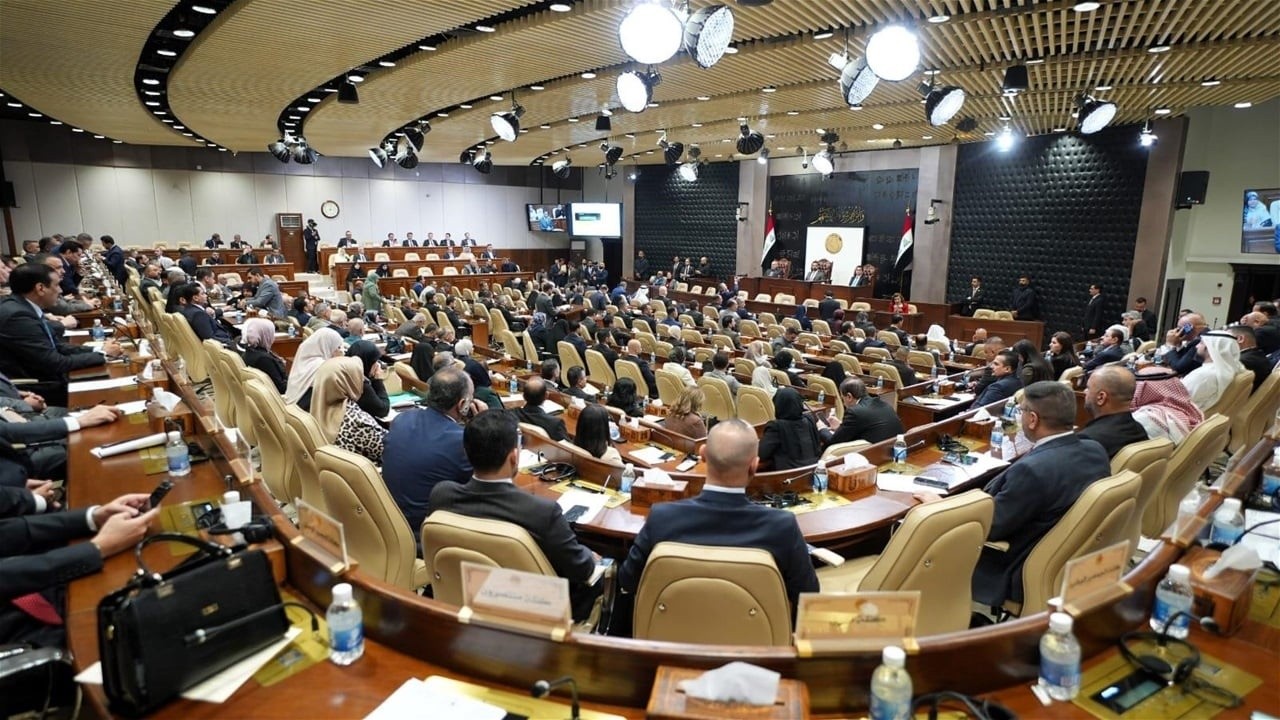
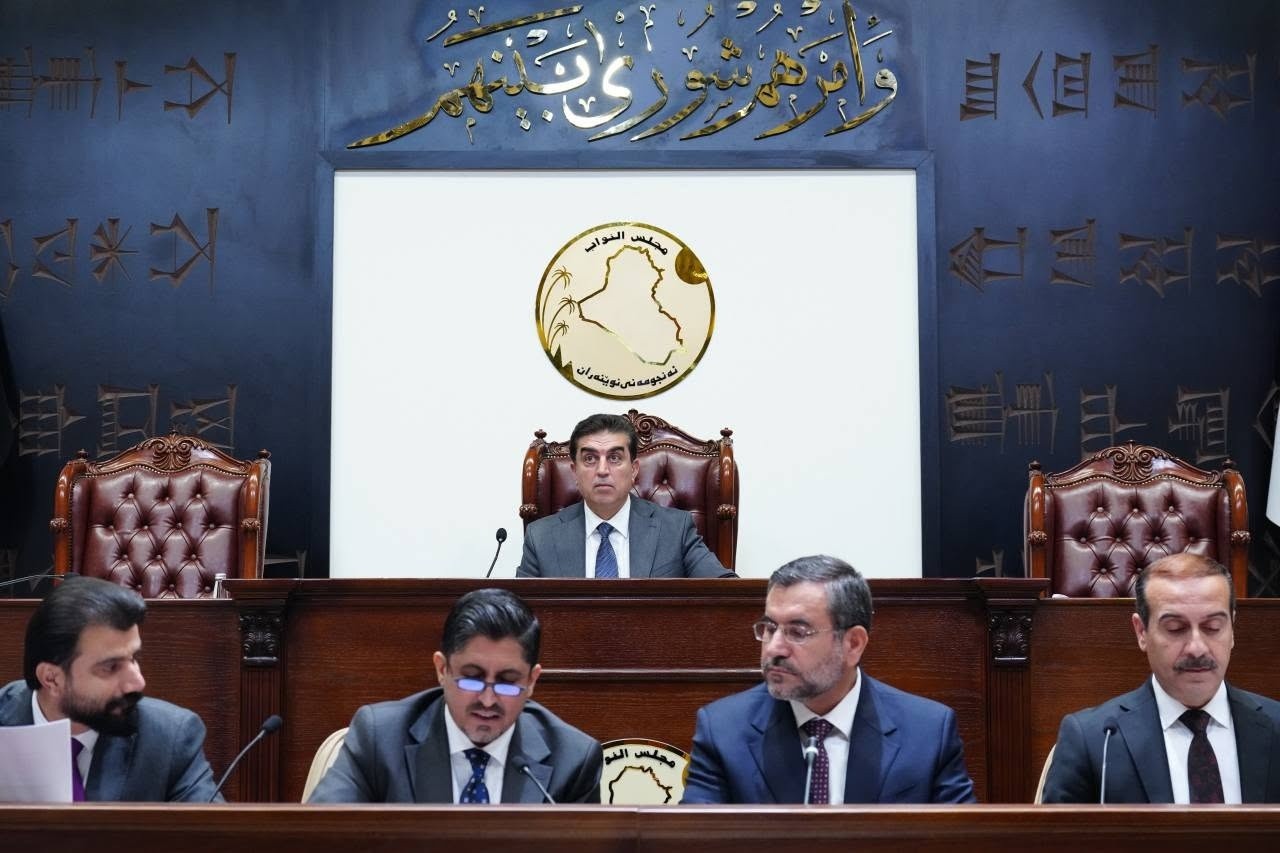
current challenges, expecting the parliament dome to convene soon to resolve the file completely. The member of the Parliamentary Security Committee, Mehdi Taqi Al-Amali, agreed with him in expecting the formation to be resolved during the coming week after the
blocs' understanding to present their candidates for the remaining portfolios and deputy prime minister positions. From an analytical perspective, political analyst Abbas Al-Jubouri emphasized that completing the ministerial cabinet is a highly important step that requires concerted national efforts to
overcome current challenges, stressing the need to choose figures based on competence and professionalism far from any political prolonged disputes. Al-Jubouri called for the necessity of activating the oversight and legislative aspect of parliament to support the path of reform
and fight corruption, considering that the completion of the government should constitute a real starting point to translate the government program into a tangible reality that meets the aspirations of the Iraqi street and enhances general stability.