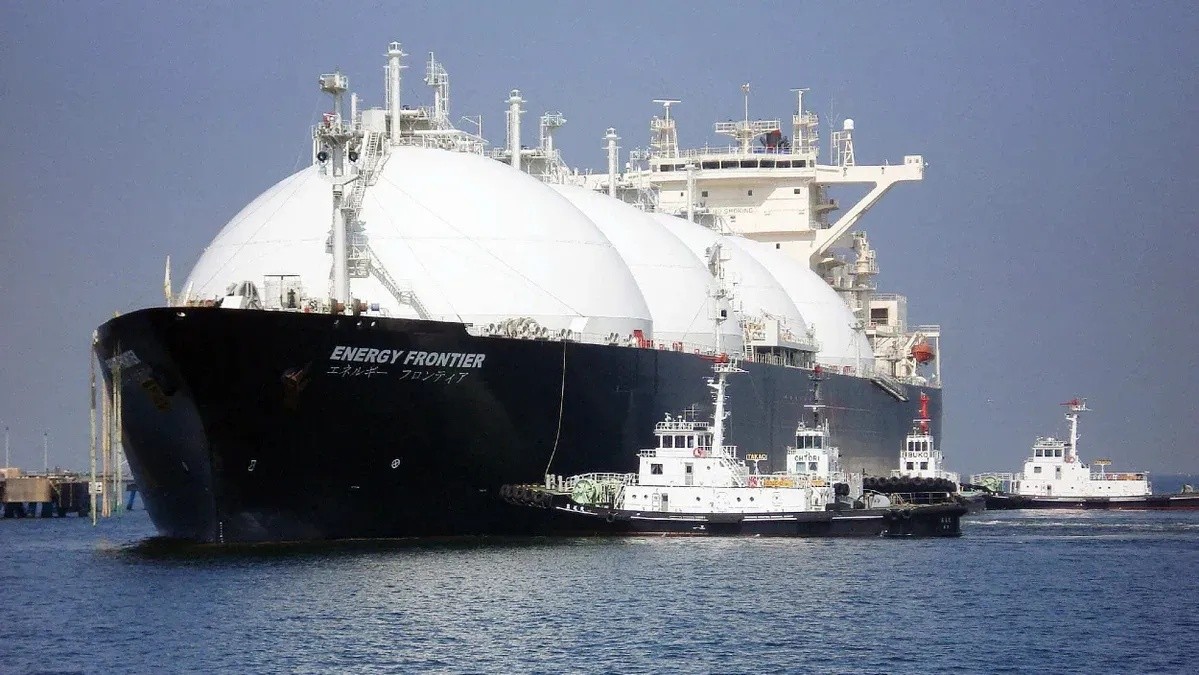
The navigation traffic dedicated to transporting liquefied natural gas through the Strait of Hormuz recorded a noticeable recovery during last September, bringing the number of crossing shipments to its highest monthly level since the outbreak of the conflict between the
United States, Israel, and Iran, despite the persistence of ambiguity and security tensions surrounding the vital waterway. In the same context, estimates issued by the "S&P Global Energy" institution indicated that the total shipments that managed to cross the strategic
corridor during the month reached 19 shipments, distributed between 13 shipments launched from Qatari ports and six other shipments exported from the United Arab Emirates. For his part, Eric Yep, a senior analyst at S&P Global, explained that these data
represent an increase compared to last June, which witnessed the crossing of only 15 shipments, the timing that coincided with the entry into force of the agreement concluded between the American and Iranian sides. The analyst added, explaining the nature
of maritime traffic, that the movement of LNG transport witnessed fluctuation and struggle in the second half of September, stating that if this upward trend continues during October, the monthly crossing traffic may witness a recovery to reach about 25%
of the levels it recorded before the outbreak of military operations. In the same context, statistics from the analytics company "Kpler" showed a convergence in figures, as it monitored the passage of 21 liquefied natural gas shipments through the Strait
of Hormuz during September, compared to only 15 shipments during June. The past few weeks have witnessed intensive movements of LNG tankers associated with "QatarEnergy", whether loaded or empty, which succeeded in crossing the strait despite security challenges and the
ongoing conflict. Vessel tracking data issued by "Kpler" and the "London Stock Exchange Group" during the same week showed the emergence of three additional tankers loaded with shipments exported from the Qatari Ras Laffan export terminal to exceed the geographical
scope of the waterway. The list of these vessels included the ships "Al Kharratiah" and "Al Ghariya" affiliated with "QatarEnergy". The first tanker was spotted inside the strait between September 22 and 23 before tracking devices monitored its appearance off
the western coast of India between the 29th and 30th of the same month, currently continuing its sea journey off the coast of Sri Lanka. As for the second tanker, represented by the ship "Al Ghariya", it disappeared from tracking
screens inside the waterway between September 23 and 24, to appear again on September 30 near the western coast of India. Regarding the third vessel, known as "Milaha Qatar", which is managed by the German company "Bernhard Schulte Shipmanagement", its
presence was last spotted inside the strait between September 17 and 21, before it reappeared west of India on the 30th of the same month, and it is currently carrying out unloading operations at Hazira port located on the western
coast of India. No official comment has been issued so far by "QatarEnergy" regarding these movements, while "Bernhard Schulte Shipmanagement" refrained from making any statements. In a related context concerning navigation security, a large number of vessels sailing through the
strait resort to carrying out what is known as "dark crossing" operations, which are done by turning off the Automatic Identification System transmitters in order to avoid being monitored and tracked. Analyst Eric Yep commented on this by saying that
the biggest concern lies in the extent of the ability to sustain the transit of liquefied natural gas shipments through the Strait of Hormuz throughout the coming winter. He added, explaining that the continuation of this movement is closely linked
to several determinants, most notably the possibility of Iran resorting to more severe and dangerous military escalation if it sees that the rise in the pace of exports through the corridor reduces its leverage papers associated with its sovereignty over
it, in addition to the extent of the ability of maritime shipping convoys escorted by US Navy units to continue their missions despite the high financial burdens and costs. It is worth noting that before the outbreak of the conflict
on February 28, the Strait of Hormuz represented the main corridor for about a fifth of the world's supplies of crude oil and liquefied natural gas.