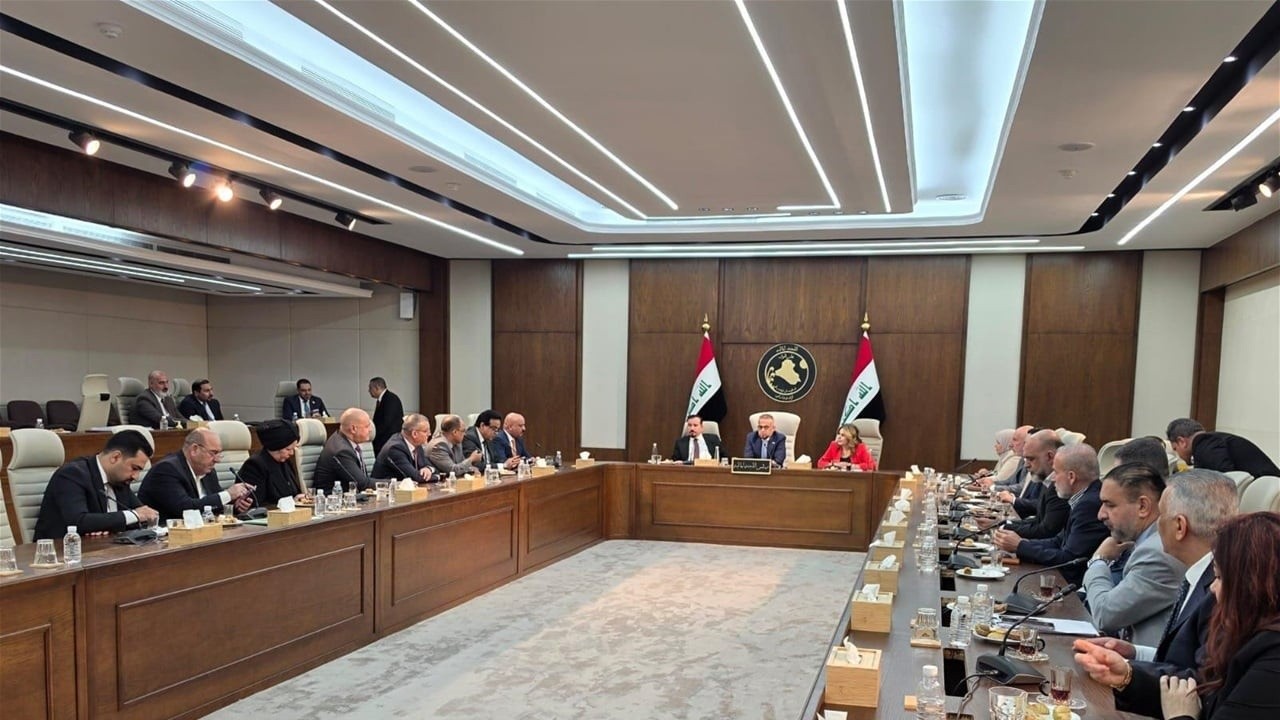
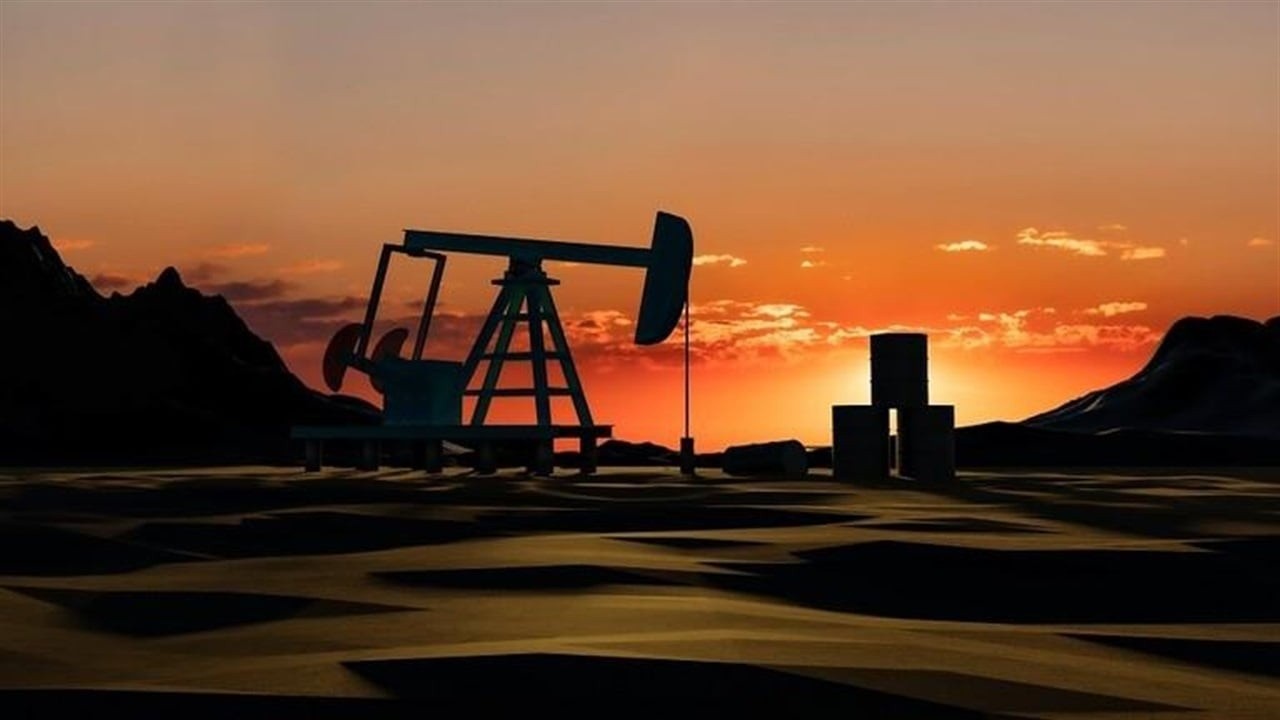
The OPEC+ alliance agreed in principle to maintain its existing oil production baselines without modifications, following discussions held on Sunday among seven major producing nations, comprising Saudi Arabia, Russia, Iraq, Kuwait, Algeria, Kazakhstan, and the Sultanate of Oman. This stance
comes as Gulf states endeavor to bolster crude deliveries after months marked by geopolitical and military friction, while a notable portion of member states continues to extract quantities significantly below their designated output limits. Concurrently, informed sources stated that the
specialized review dedicated to determining individual production baselines and capacity quotas for 2027 has been deferred. This postponement stems directly from regional military hostilities that disrupted multiple field development initiatives across the Middle East, ultimately compounding the technical challenges of
calculating precise future capabilities for alliance partners. The wider coalition, uniting OPEC members and external producers headed by Moscow, had steadily elevated output benchmarks through most of the year before shifting toward stability in October, following the conclusion in September
of rolling back voluntary reductions of roughly 1.65 million barrels per day adopted in 2023. Meanwhile, neither OPEC representatives nor Russian government officials provided formal statements addressing inquiries.