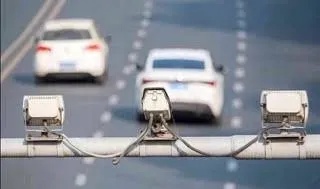
The General Directorate of Traffic announced the completion of the first phase of the Smart Baghdad Project, equipping 50 intersections with thermal cameras and radars. Lieutenant General Adnan Samir, Director General of Traffic, explained the Directorate is implementing a plan to
transition to smart management. This relies on an intelligent traffic system utilizing artificial intelligence to automatically manage intersections and squares. Sensors measure road efficiency and control traffic lights based on congestion, with smart linking between successive intersections ensuring better traffic
flow. Samir added the Baghdad intersections project includes equipping 139 intersections with smart cameras and radars (four cameras and four radars per intersection). He confirmed the first phase completed, covering 50 equipped intersections and 20 installed radars. He also indicated the Directorate
contracted to deploy 360-degree smart radars and cameras on external roads, aiming to monitor violations, regulate traffic, and reduce accidents. He clarified that expanding smart systems will reduce on-site traffic officers, while maintaining their supervisory roles and directing some staff
to other administrative tasks. Samir emphasized the critical integration between the Traffic Directorate and other service departments (e.g., Baghdad Municipality, municipalities, Roads and Bridges Department) to ensure successful infrastructure development, improved traffic flow, and urban appearance. He noted the Traffic Directorate
often bears responsibility for issues outside its direct purview, like road/bridge infrastructure and traffic lights, which are shared among multiple service entities. Traffic officers continue duties 24 hours a day, unlike before 2003. Samir stressed smart cameras have significantly reduced speeding,
wrong-way driving, and red-light infractions, positively impacting accident reduction. He added mobile phone use while driving is the leading cause of most accidents, underscoring that road user safety demands adherence to traffic laws, despite some drivers' objections regarding personal freedom.