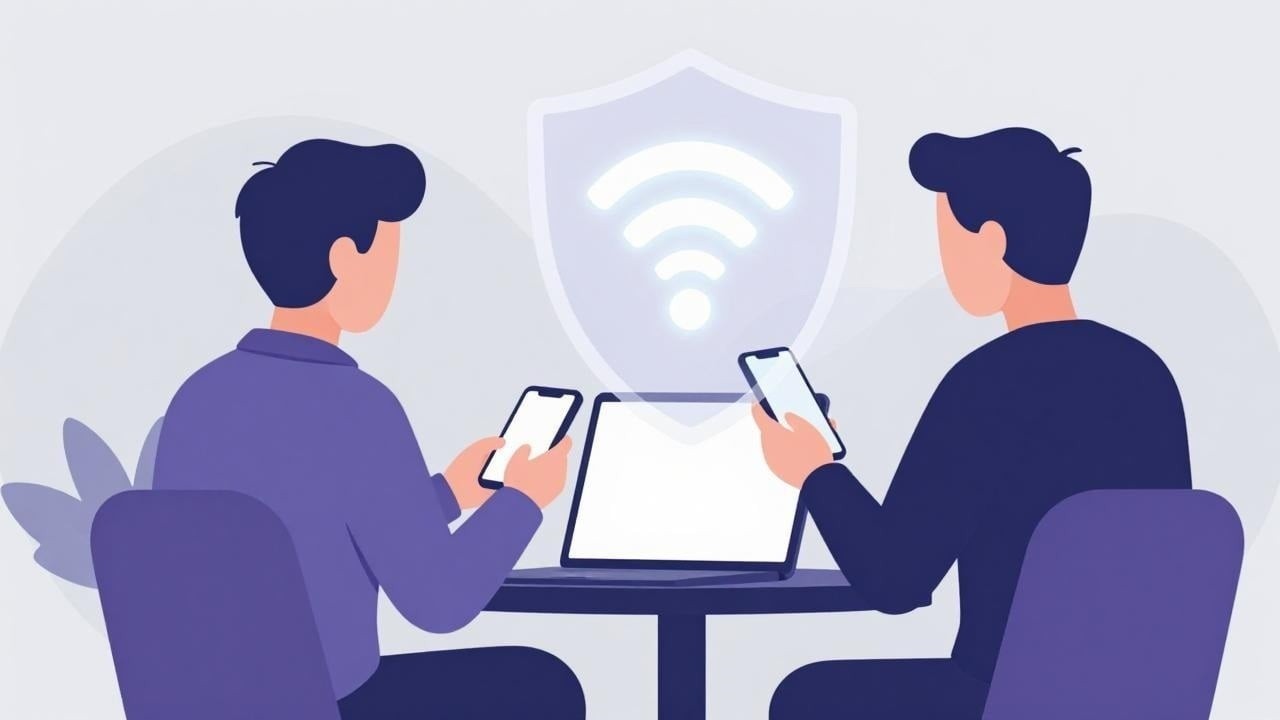

A large segment of individuals around the world suffers from a sudden feeling of mental exhaustion and severe difficulty in concentrating for long periods, and this is often linked to the continuous and excessive use of smartphones and tablets, in
a contemporary reality filled with constant notifications and permanent communication alerts, a common phenomenon that has become known in health and psychological circles as the state of digital fatigue that affects the body and mind alike as a result of
intensive exposure to screens. This fatigue is defined as a state of accumulated tiredness and stress resulting from continuous interaction with modern technologies, and this includes computers and wearable devices along with mobile phones, where the continuous browsing processes of
social media platforms and successive work messages contribute to draining human mental energy and a noticeable decline in productivity levels. The symptoms of this phenomenon appear in multiple aspects, most notably the escalation of levels of anxiety and tension as
a result of the abundance of alerts, as well as distraction and poor ability to long concentration due to rapid movement between various digital applications, in addition to the physical effects represented by eye strain and headaches resulting from prolonged
gazing at screens, and nocturnal sleep disorders that occur due to the disruption of the production of the melatonin hormone responsible for regulating sleep because of phone light. The software designs of communication and news platforms play a major role
in perpetuating this situation by trying to keep the user connected for as long as possible, as the endless scrolling feature in popular applications works to drain the mental stock of people, in addition to the transformation of remote work
into a lifestyle pattern that dissolves the dividing boundaries between personal and professional life. The repercussions of this excessive use do not stop at the limits of transient stress, but extend to cast a shadow over mental health by enhancing
feelings of depression and anxiety, supported by the continuous flow of negative information and the pressures of virtual social comparisons, which is a suffering that is not limited to adults but includes children and adolescents who spend long hours in
front of screens. To confront this condition and overcome it, specialists advise taking practical steps that include allocating daily times that are completely devoid of any digital devices to clear the mind, stopping unnecessary notifications and alerts to reduce distraction,
and relying on the do not disturb mode during times of intensive work and sleep, in addition to applying eye-resting rules such as the twenty twenty twenty rule which requires looking at a distant object every specified period of time.
Preventive measures also include utilizing digital monitoring applications to track screen time, conducting a periodic cleaning process for the following list by unfollowing accounts that generate negative energies or unhealthy comparisons, leading to the necessity of staying away from screens
completely at least one hour before bedtime to allow the brain the opportunity for natural relaxation.