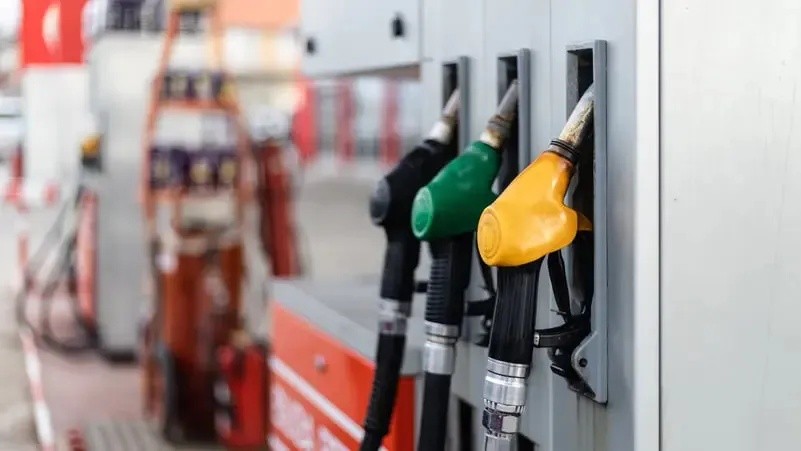
Gasoline and diesel prices across the European Union are experiencing unprecedented increases, reaching their highest levels in the European Commission's historical data series, which dates back to 2005. The cost to fill a 50-liter car fuel tank has now surpassed
the 100 euro mark, placing significant pressure on consumers across the continent. Data released by the European Commission, spanning over two decades, reveals that the average cost of refuelling vehicles in the EU has never been higher. According to the latest
average prices, filling a 50-liter tank costs approximately 103 euros for gasoline and 108 euros for diesel. Retail fuel prices have surged sharply since the outbreak of the conflict in the Middle East, exacerbating inflationary pressures. The European Central Bank reported
that energy inflation in the Eurozone jumped to 14.3% in August, an increase from 10.3% in July. The EU's weighted average price per liter of gasoline reached 2.063 euros as of September 14, while the price per liter of diesel hit
2.159 euros. These levels represent all-time highs in the Commission's data series, which commenced in 2005. The previous peak for gasoline prices was recorded in 2022, while diesel last approached its current level in April of this year. Fuel prices vary
significantly across EU member states. Malta registers the lowest gasoline price at 1.34 euros per liter, whereas Denmark sees the highest at 2.56 euros. Diesel prices range from 1.21 euros per liter in Malta to 2.51 euros in Finland. These
figures are based on the "Weekly Oil Bulletin" issued by the European Commission on September 17, drawing on prices collected on September 14, and include taxes. Fuel prices have been on an upward trend for months, following the outbreak of war
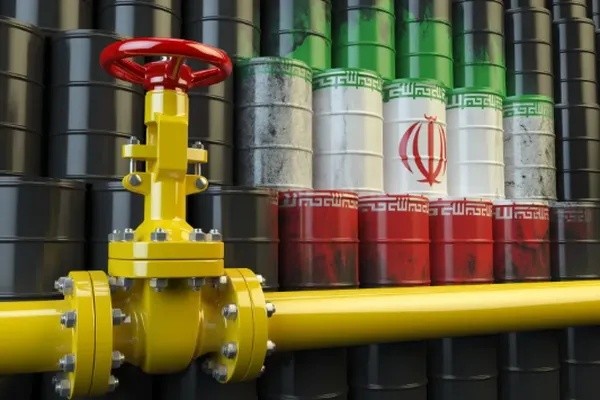
with Iran in late February and the subsequent disruptions to energy flows through the strategic Strait of Hormuz. Global benchmark Brent crude rose above 126 dollars during the peak of the conflict, and was trading above 104 dollars per barrel
for next-month delivery on Friday. Notably, Brent was trading at around 72 dollars per barrel before the war escalated. European crude supplies face additional disruptions after Saudi Aramco informed at least two European refineries that they would not receive any oil
under long-term contracts in October/November. This decision followed an attack on a major pipeline in the Kingdom leading to the Red Sea. Bloomberg reported, citing informed sources, that this decision applies to all European buyers. The upward trajectory of gasoline and
diesel prices is not solely attributable to global crude oil prices; refining costs and margins have also risen notably, adding further pressure on final prices at fuel stations. Refining margins reflect the difference between the cost of crude oil and
the price of refined products such as gasoline and diesel. While gasoline margins appear to have peaked, European Central Bank experts told Euronews Business that diesel margins would not reach their maximum levels before October/November.