The Iraqi Ministry of Agriculture announced the completion of a comprehensive census and description process for horses in all governorates, with the exception of the Kurdistan Region, noting the establishment of an accurate national database for this animal resource. The
ministry revealed the total number of registered horses and the governorates that topped the list in this census. The official spokesperson for the Ministry, Qusay Al-Hattab, stated that the Animal Resources Department of the Ministry completed its work of counting and
describing horses in all Iraqi governorates, excluding the Kurdistan Region. Al-Hattab clarified that the total number of registered horses reached 6067 heads, distributed across various Iraqi governorates. Al-Hattab explained that Babylon Governorate topped the list with the highest number of registered
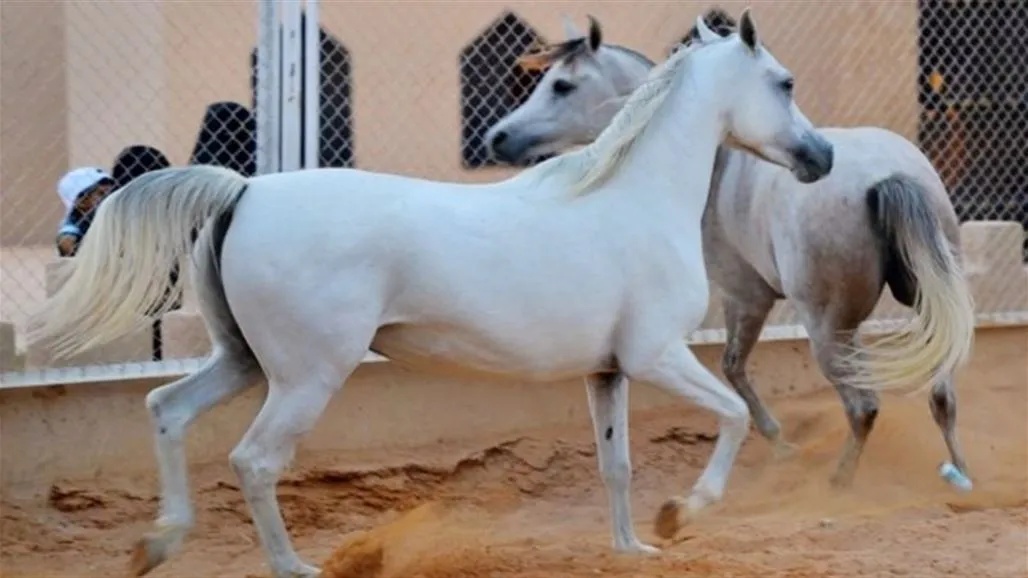
horses, totaling 915 heads, most of which are local purebred Arabian horses. He noted that this process involved precise data documentation, field phenotypic description, and the inclusion of this information in the National Horse Registry. These data are preserved by
the Animal Genetic Resources Protection Department, serving as an official reference updated annually to record births and deaths, in cooperation with the agriculture directorates in the governorates. The spokesperson affirmed that the Ministry, as part of its priorities, granted horse breeder
cards to all breeders and issued an identification document for each horse and mare. This document includes basic data such as breed, age, phenotypic characteristics, and technical information, contributing to the documentation of ownership and the regulation of horse registration
and follow-up procedures in accordance with approved regulations and standards. Al-Hattab reported that researchers from the Animal Resources Department enriched the scientific library with a number of specialized studies on purebred Arabian horses, reflecting the Ministry of Agriculture's keenness to utilize
scientific research to support genetic improvement programs, preserve national purebreds, and conserve animal genetic resources in the country. He emphasized that this achievement is part of the Ministry of Agriculture's efforts to develop the animal resources sector, through adopting modern systems
in documentation and management. This aims to regulate the horse breeding sector, provide the best services to breeders, and strengthen the national database for Iraqi horses.