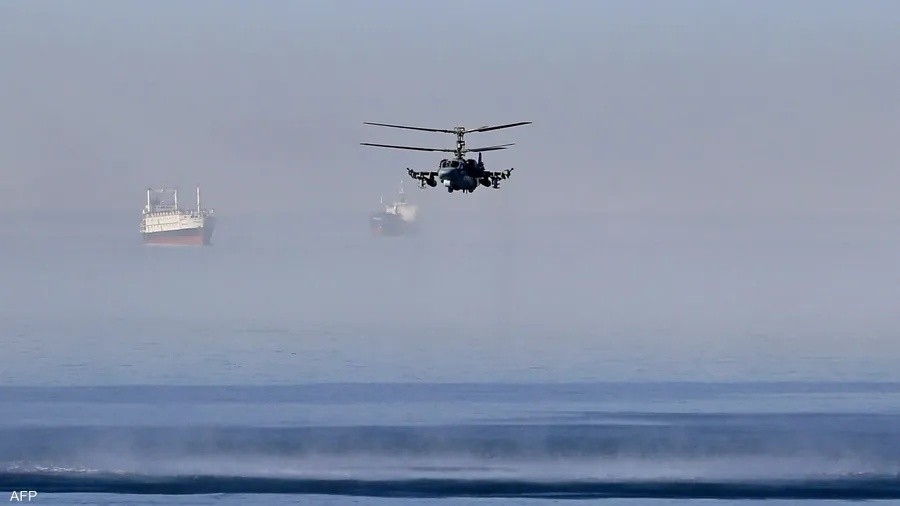
Leaked documents from the Russian defense industry reveal that Moscow has arranged to supply Iran with ninety advanced guided missile launch platforms designed for helicopters. The documents, obtained by a Ukrainian private intelligence company, detail plans to deliver "LMUR" guided
missile launch platforms, widely used by Russian forces against targets in Ukraine since the full-scale invasion began in 2022. A production schedule prepared by a missile design and launch system company in May 2024 lists an order for 90 launch
platforms under an export contract coded "K-10," with delivery dates set between late 2024 and December 2025. Separate internal documents explicitly identify Iran as the intended recipient of this code. Records do not confirm whether these launch platforms have already
been delivered to Iran, but a separate production schedule includes six "Yak-130" jet trainer aircraft designated for Iran in 2023, consistent with previous reports of deliveries. This information emerges as Washington considers its next steps regarding the conflict with Iran
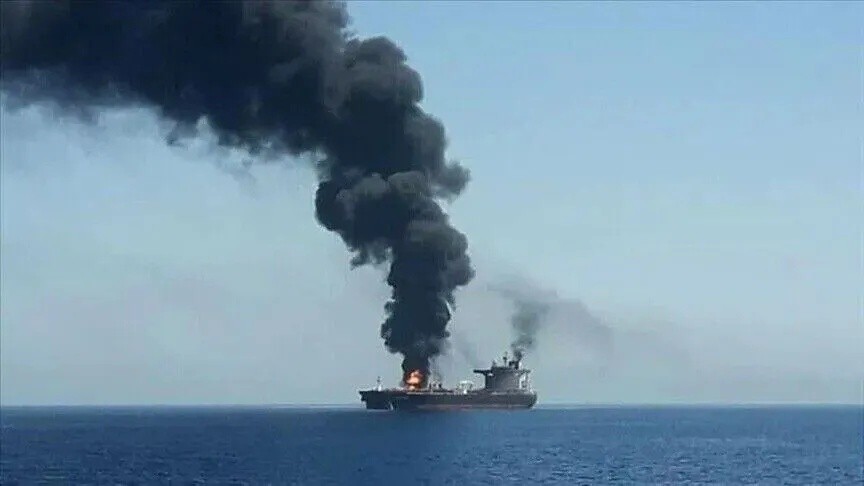
following the U.S. midterm elections, while analysts note that Moscow benefits strategically and economically from the prolonged conflict. Russia has profited from global energy price increases due to disruptions in the Strait of Hormuz and attacks on Gulf energy facilities,
providing the Kremlin with additional resources to fund the war in Ukraine and easing budgetary pressures. The war has also shifted international and Western military focus away from Ukraine, increasing challenges for Kyiv in acquiring U.S.-made Patriot missile interceptors for
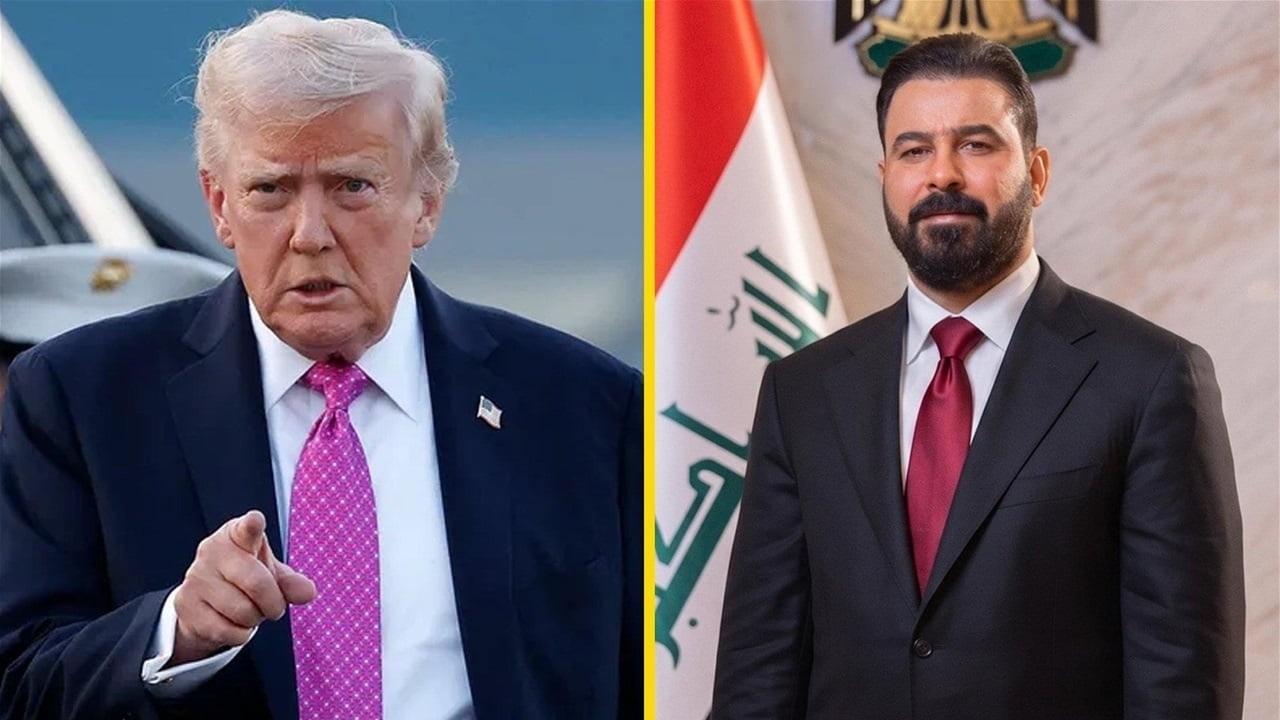
its air defense systems. The former U.S. president had downplayed Russia's support for Iran, expressing a desire not to exclude Russia from negotiations to end the war in Ukraine, despite European intelligence indicating that Russia supplied Iran with critical data
and satellite imagery that could aid in targeting U.S. forces in the Middle East. European intelligence also warned that Moscow is preparing to provide Tehran with explosive-laden drones for use against the United States and Israel. Military cooperation between Russia
and Iran has expanded significantly since the 2022 Russian invasion of Ukraine, with Tehran becoming a major supplier of "Shahed" attack drones, which Russia has begun producing domestically. Moscow has denied reports of supplying Iran with military equipment for use
in the current conflict, even though the two countries signed a strategic partnership agreement for 2025 that includes clauses to address common threats but lacks mutual defense commitments similar to those in Russia-North Korea security agreements. Nonetheless, Tehran and Moscow
have maintained close cooperation in recent months, holding three high-level meetings in October alone, indicating the growing importance of their relationship. Moscow seeks to keep its military cooperation with Tehran discreet to avoid jeopardizing its relations with the United States
and faces limitations in supplying Iran with weapons due to the demands of the war in Ukraine. The leaked documents also reveal challenges within the Russian defense industry, as a specialized company warned in May 2024 that delays in delivering
essential components threaten the assembly of missile launch platforms and could disrupt Russian government defense contracts.