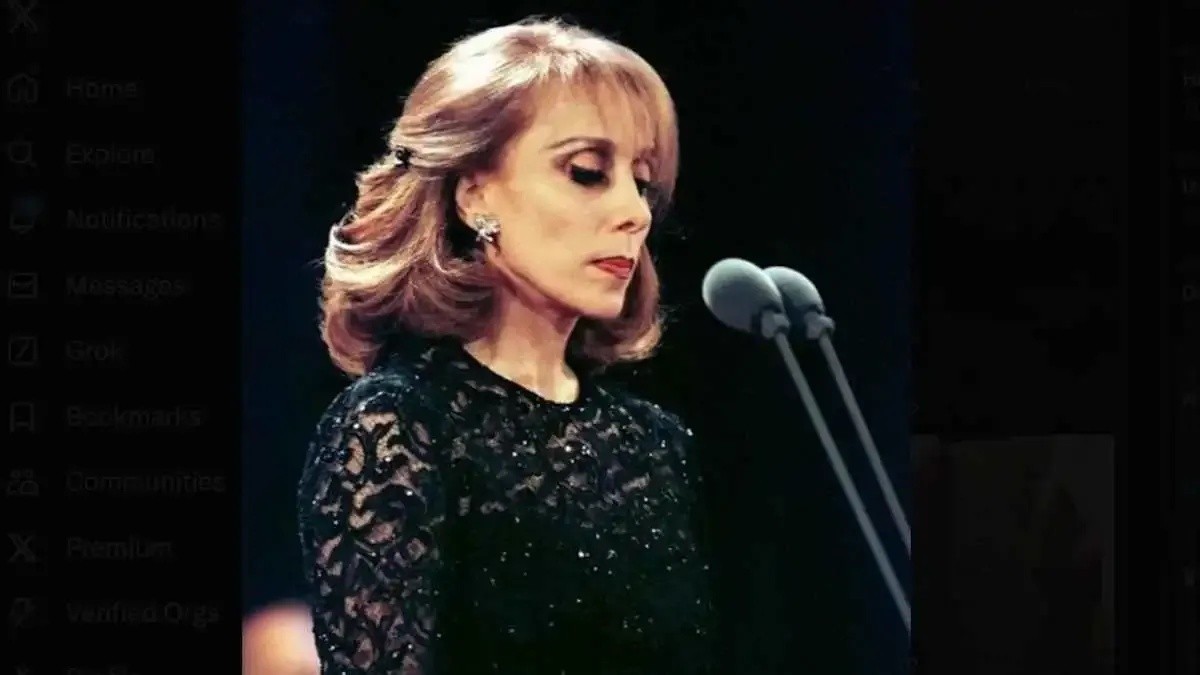
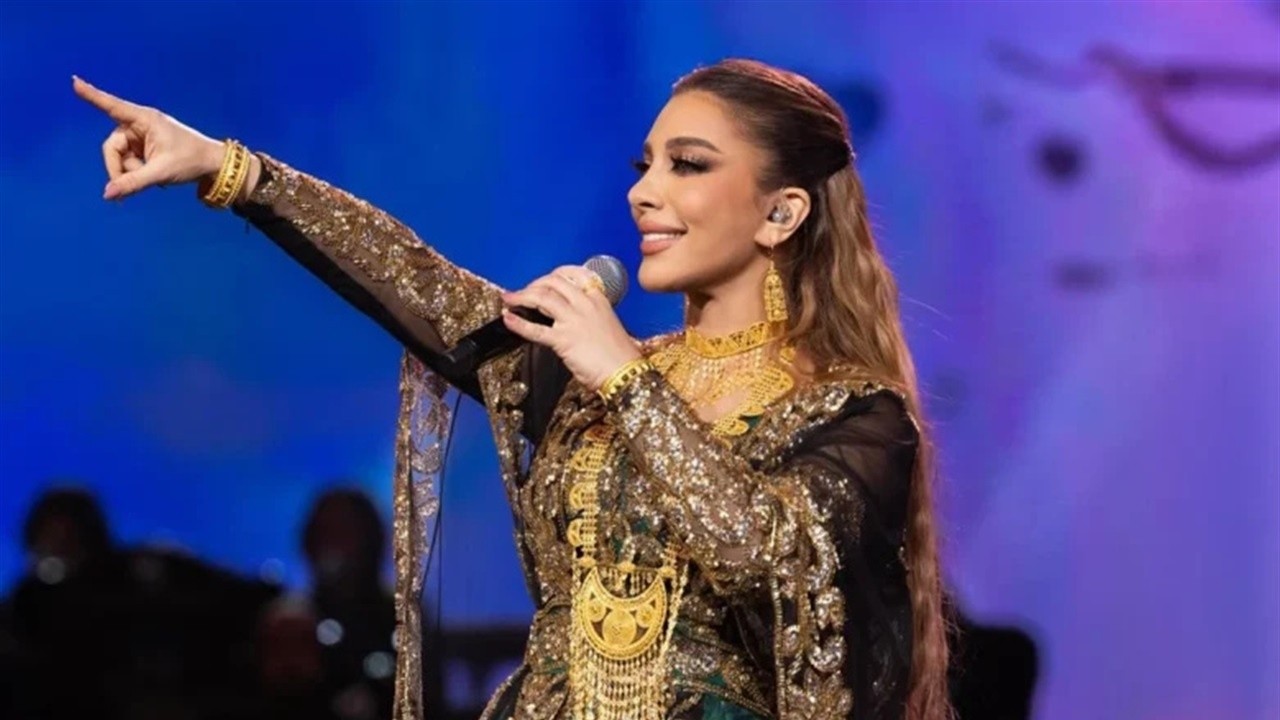
Damascus, the Syrian capital, recently experienced heightened tension after individuals defaced advertising billboards for artist Assala Nasri's concert. The artist is set to perform her anticipated musical evening on September 17th at Al-Fayhaa Hall, marking her return home after years
away. Perpetrators justified their actions with religious motives, labeling the concert a "sin," effectively turning Damascus streets into a scene of public protest against such artistic events. Similar controversy arose previously on social media when Sheikh Mohammed Khair Al-Dhahabi, leader of
the "Wearing the Niqab" campaign in Syria, criticized Assala Nasri's concert, following a comment by the Syrian Culture Minister about her hosting. These recent acts reflect a sustained rejectionist stance against activities perceived as violating religious teachings. Digital communities reacted widely,
clearly divided. Some considered this move aligned with a religious perspective rejecting mixing and singing; others saw it as a blatant restriction on personal and creative freedoms. This escalating tension is not unprecedented in the Syrian art scene. The recent past
saw several concert cancellations or prohibitions. Opposition to artists often stems from their previous political stances, particularly regarding allegiance or opposition to the former regime. Assala Nasri's position is complex: known for strong opposition to the regime earlier, she also
performed famous songs glorifying the regime and its symbols, making her political stance a continuous subject of debate. Beyond politics, religious scholars and sheikhs show growing influence. After the country's events, this group's reach expanded to vital state institutions. Their religious
directives now guide many bodies, from schools and ministries to specialized sectors like fisheries management. This is also evident in imposing modest dress restrictions on female employees and workers across government entities. These developments coincide with a general atmosphere of hesitation
and implicit acceptance of decisions. For instance, last month, electricity suddenly cut out during Lebanese artist Marwan Khoury's concert at the Damascus International Fair. Despite no official explanation, no audience objections were recorded, raising serious questions about permissible activities and
their management in the current climate.