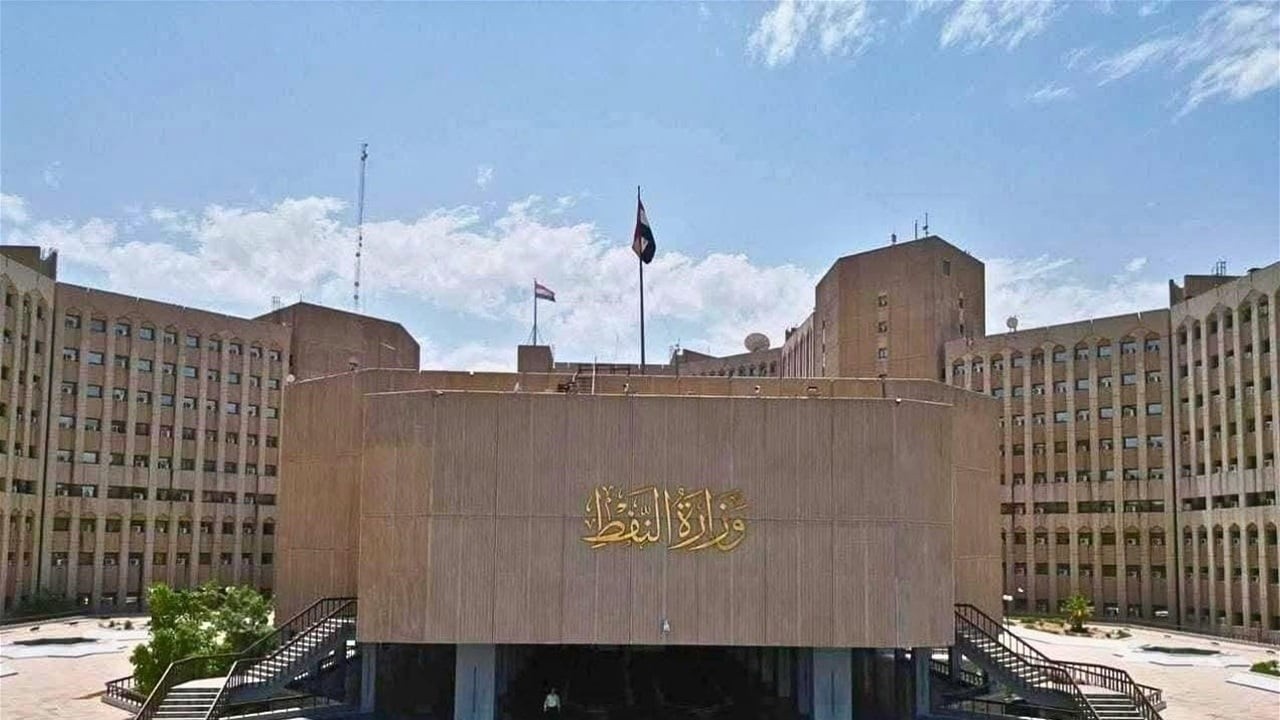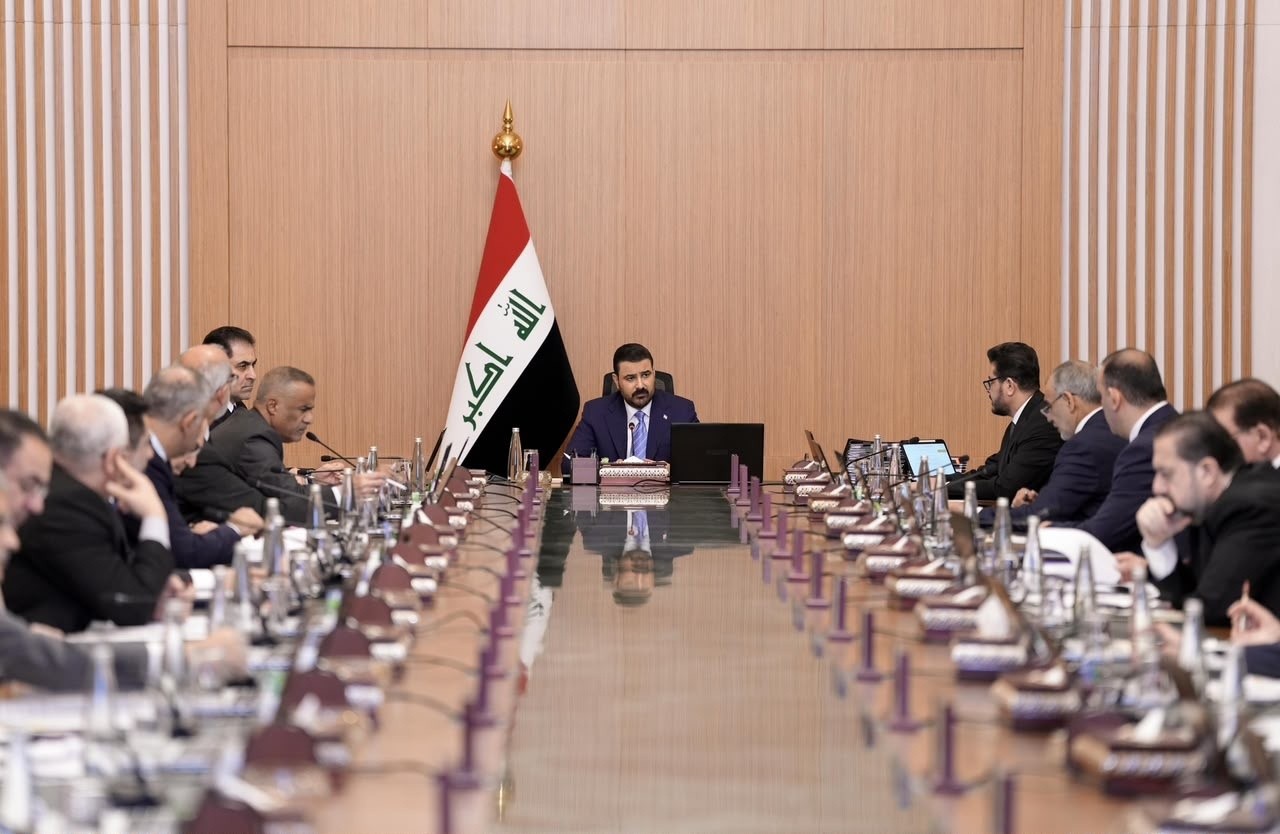
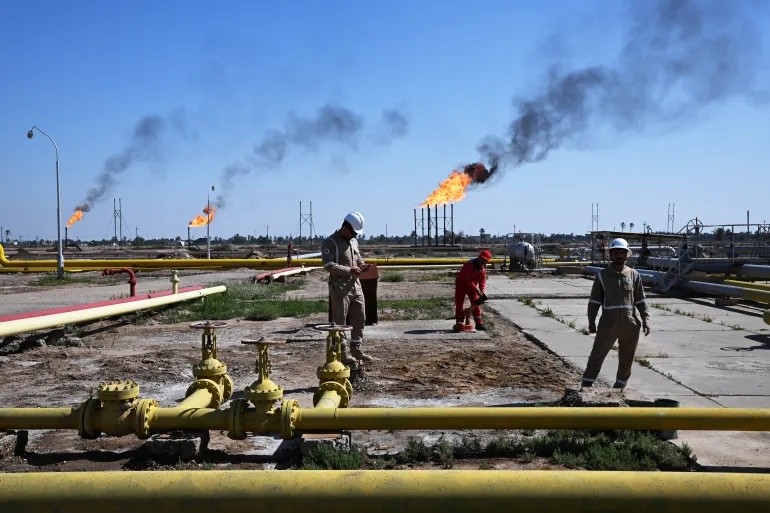
Iraq’s oil sector is witnessing extensive momentum led by the Ministry of Oil to bolster international partnerships, as Minister of Oil Basim Mohammed Khudair revealed a growing appetite and noticeable interest from American corporations to enter the domestic market and
actively contribute to advancing oilfields and the broader energy sector. Khudair explained that the ministry strongly endorses this direction, attributing its stance to the vast operational experience and advanced technical capabilities of American enterprises, which facilitate transferring modern technology and
training national engineering cadres. Regarding high-level negotiations and major projects, the minister stated that direct discussions are ongoing with Chevron regarding development operations at the West Qurna 2 field following the departure of Lukoil due to sanctions, in addition to
talks concerning four exploratory blocks within the Nasiriyah field. Simultaneously, the ministry maintains a memorandum of understanding with ExxonMobil involving thorough deliberations over the Majnoon oilfield and its associated export infrastructure, alongside the vital seawater supply project designed with a
capacity of two and a half million barrels per day to sustain reservoir pressure. On the front of contractual implementations, an agreement has been activated with Halliburton to develop the Nahr Bin Omar and Sindbad fields, while a memorandum of
understanding remains in place with ConocoPhillips to develop the Akkas gas field, where Schlumberger is currently executing initial-phase operations. Khudair also noted the activation of a contract signed with HKN to develop the strategic Hamrin field, characterizing it as an
essential project representing integrated development of both crude oil and natural gas resources. Khudair underscored that Iraq is resolutely working to establish an attractive, reliable investment landscape for reputable American and European firms, emphasizing ongoing efforts to eliminate administrative bottlenecks
and bureaucratic hurdles. He indicated that concluding the HKN agreement within the designated timeframe illustrates the ministry’s determination to accelerate schedules and transition swiftly from contract signing to field execution, an approach consistently applied in dialogues with other partners including
Baker Hughes and KBR. The minister concluded by highlighting the structural evolution of energy agreements, clarifying that service contracts applied since the 2010 licensing rounds have matured into profit-sharing frameworks rather than production-sharing models. This developed contractual mechanism aligns with
requirements favored by Western companies, balancing lucrative returns for investors with optimized financial revenues for Iraq while expediting overall project delivery.